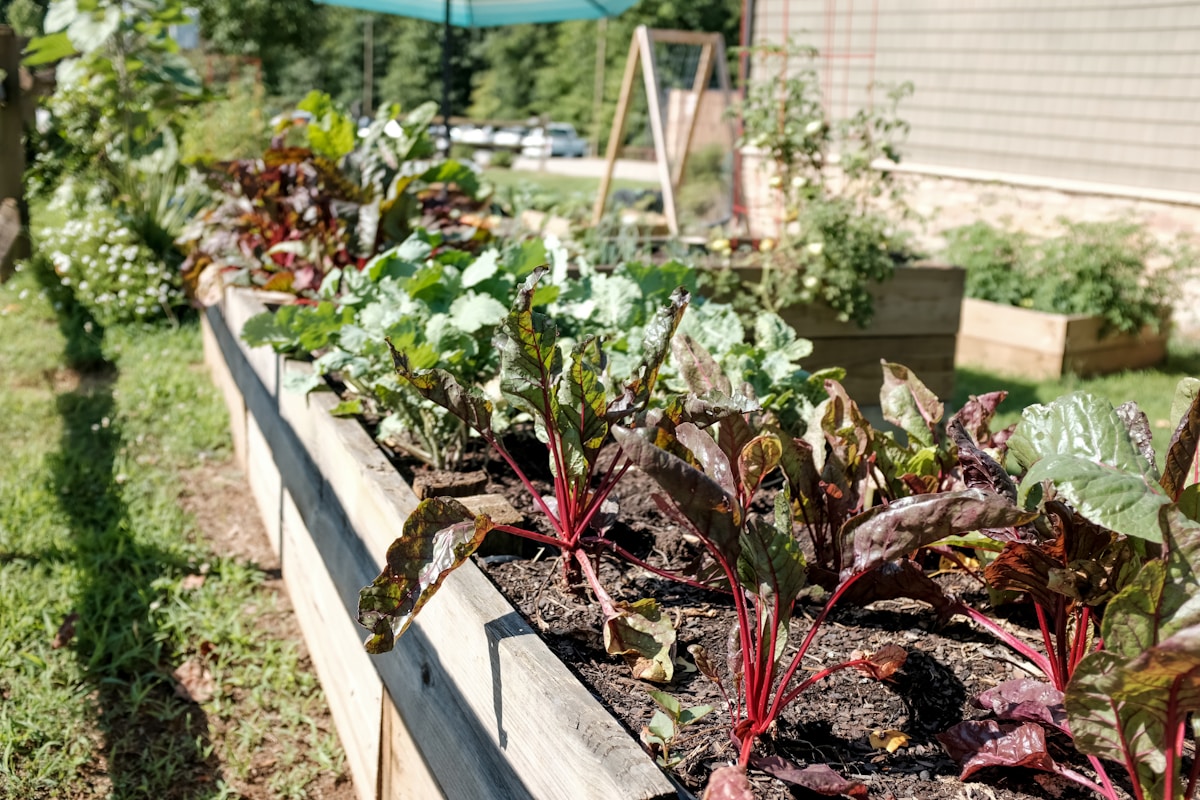
Raised bed gardening is the most reliable, productive, and beginner-friendly way to grow food at home. If you’re starting from zero—no gardening experience, no existing garden infrastructure, no idea where to begin—a raised bed is your best first step. It sidesteps the problems that defeat most beginning gardeners: poor native soil, overwhelming weed pressure, confusing layout decisions, and the discouraging slow start of improving ground that may take years to become productive.
With a raised bed, you control every variable from day one. You fill it with perfect soil. You plant in organized, manageable space. You maintain it without back-breaking work. And you harvest real, meaningful food within weeks of planting. This guide consolidates everything a beginner needs—from building your first bed through your first harvest and beyond—into a single, complete resource with links to deeper coverage on each topic.
Key Takeaways
- A single 4×8-foot raised bed produces enough vegetables to meaningfully supplement a family’s meals throughout the growing season
- Total startup cost for one complete raised bed (frame, soil, plants) runs $80-250 depending on material choices
- Raised beds produce 2-5 times more food per square foot than traditional row gardens
- You don’t need gardening experience—raised beds are specifically designed to make growing easy for beginners
- Start with one bed, learn through a single growing season, then expand based on experience
Why Raised Beds Beat Other Methods for Beginners
Traditional in-ground gardening requires testing and amending native soil (which may be clay, sand, or compacted construction fill), removing established sod and weeds, tilling or double-digging, and hoping the resulting conditions are adequate. This process takes time, effort, and knowledge that beginners don’t yet have. Many first-year in-ground gardens produce poorly because the soil simply isn’t ready.
Raised beds eliminate this entirely. You build a frame, fill it with proven soil mix, and plant. The soil is perfect from the start because you created it. Weeds are minimal because your soil didn’t contain weed seeds. Drainage is excellent because the soil mix is engineered for it. And the defined, manageable space keeps the project from feeling overwhelming.
Additional beginner advantages:
- Less bending: Even 12-inch beds reduce how far you bend. Taller beds are even easier on backs and knees.
- Clear boundaries: The frame defines your garden—no ambiguity about where to plant and where to walk.
- Faster warming: Raised soil warms earlier in spring, letting you plant sooner.
- Better drainage: Elevated soil never waterlogged after rain.
- Pest reduction: Adding hardware cloth under the bed stops burrowing pests. The clean, controlled environment reduces many soil-borne problems.
Step 1: Choose Your Location
Place your raised bed where it receives minimum 6-8 hours of direct sunlight daily. This is the single most important factor. A raised bed with perfect soil in deep shade produces little; a simple bed in full sun produces abundantly.
Site checklist:
- Full sun (6-8 hours minimum for vegetables; 4-6 hours for lettuce and herbs)
- Level ground (or close to level—minor slopes are manageable)
- Near a water source (dragging hoses long distances gets old fast)
- Away from large trees (roots compete for water; branches cast shade)
- Accessible from at least two sides (both long sides of a 4×8 bed)
Step 2: Build Your Bed
Our detailed raised bed building guide walks through construction step-by-step with a complete materials list. For a quick summary:
Recommended starter size: 4 feet wide × 8 feet long × 12 inches deep. This provides 32 square feet of growing space, reaches easily from both sides, and uses standard 8-foot lumber without waste.
Material choice: Cedar for longevity (10-15 years), untreated pine for budget builds (3-5 years), or modern pressure-treated lumber for the best cost-per-year value. See our wood comparison guide for detailed analysis. For those considering non-wood options, our metal vs. wood comparison covers alternatives.
Assembly: The simplest build requires only a drill, screws, and a measuring tape. Many hardware stores cut lumber to length for free—eliminating the need for a saw. Total build time: 1-2 hours for a complete beginner.
Step 3: Fill With Soil
This step matters more than any other. Our raised bed soil recipe provides the proven formula: 60% topsoil + 30% compost + 10% perlite/vermiculite.
Order soil components in bulk from a landscape supply company—not bags from garden centers. Bulk delivery saves 60-80% and provides higher quality material. A 4×8 bed needs approximately 1 cubic yard of mixed soil. For budget-conscious fills, our cheap filling methods guide shows how to reduce costs by 50-70%.
Fill the bed to within 1-2 inches of the top rim, water thoroughly to settle, then top up as needed. The soil is ready for planting immediately.
Step 4: Plan Your Planting
Resist the urge to buy everything that looks interesting at the garden center. Start with 5-8 easy, productive crops that virtually guarantee success for a first-time gardener.
The Beginner’s “Can’t Fail” Crop List
- Lettuce — Ready in 30-45 days. Cut-and-come-again varieties produce for months. Nearly impossible to fail with.
- Radishes — Harvest in 21-30 days. The fastest vegetable. Plant a few every 2 weeks for continuous harvest.
- Bush beans — Direct sow seeds, minimal care, abundant harvest in 50-60 days. Rewarding and easy.
- Tomatoes (cherry type) — Buy transplants from a garden center. Cherry tomatoes are more forgiving than large slicers. One plant produces hundreds of sweet fruits.
- Herbs (basil, parsley, chives) — Immediately useful in cooking. Our herb growing guide covers each variety.
- Kale — Plant once, harvest for months. Extremely cold-hardy. Nutritional powerhouse.
- Zucchini — Famously productive (you’ll have more than you need from one plant). Easy from seed or transplant.
- Green onions — Plant sets, harvest in 3-4 weeks. Regrow from scraps. Zero skill required.
For layout planning with specific spacing, see our detailed layout guide.
Step 5: Plant
From transplants (garden center plants): Dig a hole slightly larger than the root ball. Gently remove the plant from its pot, loosen any circling roots, place in the hole at the same depth it was growing (deeper for tomatoes—bury 2/3 of the stem), fill around with soil, and water deeply. Plant in the evening or on cloudy days to reduce transplant shock.
From seed: Follow seed packet directions for planting depth (generally 2-3 times the seed’s diameter). Keep soil consistently moist until germination—a light daily watering is often needed. Thin seedlings to proper spacing once they develop their first true leaves. Our seed starting guide covers indoor seed starting for earlier harvests.
Step 6: Water and Feed
Watering
Raised beds drain faster than in-ground gardens and typically need watering every 2-3 days in summer, daily during heat waves. The finger test is your guide: push your finger 2 inches into the soil. If it feels dry at that depth, water deeply until the entire root zone is moist.
Best watering methods:
- Drip irrigation with timer: The gold standard. Delivers water directly to the root zone without wetting foliage (reducing disease). Timers automate the process completely. A basic drip kit costs $25-50 and saves hours of weekly labor.
- Soaker hose: Simple, affordable, effective. Lay a soaker hose in a serpentine pattern through the bed and connect to a hose with timer.
- Hand watering: Works fine for small gardens. Water at the base of plants, not over the leaves. Water in the morning when possible.
Feeding
If you mixed slow-release fertilizer into your soil at filling (recommended), plants won’t need additional feeding for the first 6-8 weeks. After that, apply balanced granular organic fertilizer monthly, or use liquid fertilizer (diluted per label directions) every 2 weeks. Heavy feeders like tomatoes and squash benefit from more frequent feeding once they begin fruiting.
Step 7: Maintain Through the Season
Mulch: Apply 2-3 inches of organic mulch (straw, shredded leaves, or wood chips) around plants after they’re established. Mulch retains moisture, suppresses weeds, and regulates soil temperature. It’s the single most labor-saving practice in raised bed gardening.
Weeding: Raised beds with quality soil produce far fewer weeds than traditional gardens. Pull weeds when small—5 minutes of weekly weeding keeps beds clean. Mulch reduces weeding further.
Pest monitoring: Walk through your garden every 2-3 days. Look for holes in leaves, discolored foliage, and actual insects. Catching problems early makes organic control simple. See our aphid control and neem oil guides for common solutions.
Step 8: Harvest and Enjoy
The most important harvesting tip for beginners: harvest early and often. Most vegetables taste best when picked slightly young rather than when they reach maximum size. Regular harvesting also signals plants to produce more—an unharvested tomato plant or bean plant slows production, while one picked frequently keeps producing.
- Lettuce: Begin harvesting outer leaves when they’re 4-6 inches long. Inner leaves keep growing.
- Radishes: Pull when tops are 1-1.5 inches in diameter. Oversized radishes become pithy and hot.
- Beans: Pick every 2-3 days once pods form. Pods should snap cleanly. Missed beans become tough and signal the plant to stop producing.
- Tomatoes: Harvest when fully colored and slightly soft to gentle pressure. Vine-ripened flavor is the entire point.
- Herbs: Begin harvesting once plants have 6+ sets of leaves. Regular cutting promotes bushier growth.
- Zucchini: Pick at 6-8 inches. Larger zucchini are edible but less flavorful. Check every 2 days—zucchini grows startlingly fast.
Frequently Asked Questions
How much does it cost to start one raised bed?
A complete 4×8-foot bed (lumber, soil, basic plants/seeds) costs $100-250 depending on wood choice. Cedar beds: $150-250 total. Pine beds: $80-160 total. The investment typically pays for itself in produce savings within the first growing season.
When is the best time to start a raised bed garden?
You can build raised beds any time the ground isn’t frozen. The best planting times vary by crop and zone: cool-season crops in early spring (4-6 weeks before last frost), warm-season crops after last frost. Building in fall and filling over winter gives soil time to settle and biology time to establish before spring planting.
Do raised beds require a lot of maintenance?
Less than traditional gardens. Weekly time commitment for a single 4×8 bed: 15-30 minutes for watering (or zero with automatic drip irrigation), 5-10 minutes for weeding and inspection, occasional harvesting. It’s a pleasurable, manageable hobby rather than a demanding chore.
Can I place a raised bed on my lawn?
Absolutely. Lay cardboard over the grass, place the bed frame on top, and fill with soil. The cardboard kills the grass beneath while decomposing naturally. No sod removal needed. The bed is ready to plant immediately.
What should I plant first as a complete beginner?
Lettuce and radishes for quick wins (harvest in 3-4 weeks), one cherry tomato plant for long-term production, basil for cooking satisfaction, and bush beans for easy, abundant harvests. These five crops collectively teach fundamental gardening skills while virtually guaranteeing a rewarding first harvest.
How many years will a raised bed produce?
Indefinitely, with annual soil maintenance. Add 2-3 inches of compost each spring, maintain mulch, and practice basic crop rotation. The soil actually improves each year as organic matter and biological activity increase. The bed frame eventually needs replacement (3-5 years for pine, 10-15 for cedar), but soil transfers to the new frame.