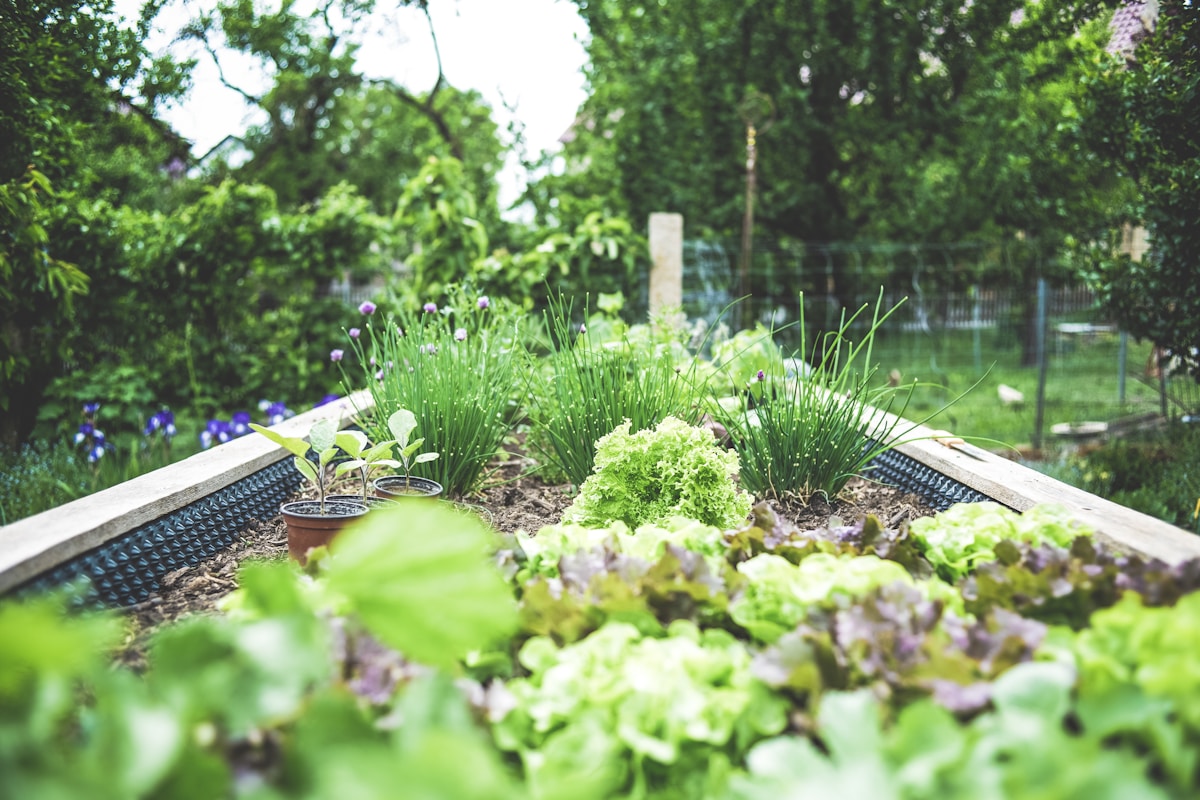
Filling a raised bed with the right soil mix is the single most consequential decision you’ll make in your garden. The soil determines everything—how well plants grow, how easily water drains, how long nutrients last, how many years the bed produces abundantly before needing significant amendment. Yet many gardeners approach this step casually, dumping whatever bags are on sale at the garden center. This is the step where shortcuts cost you the most.
The good news is that the ideal raised bed soil recipe is neither complicated nor secret. It’s a straightforward blend of three components in specific ratios, each serving a critical function. Understanding why each ingredient matters and where to source quality materials at reasonable cost turns soil filling from an overwhelming task into a confident, informed process.
Key Takeaways
- The classic raised bed recipe: 60% topsoil + 30% compost + 10% aeration material produces excellent results for virtually all garden crops
- Buy soil components in bulk from landscape supply companies—not bags from garden centers. Bulk delivery costs 60-80% less per cubic foot
- A standard 4×8-foot, 12-inch-deep raised bed requires approximately 1 cubic yard (27 cubic feet) of blended soil
- Compost quality matters enormously—look for dark, crumbly, earthy-smelling material without large undecomposed chunks
- Annual top-dressing with 2-3 inches of fresh compost maintains fertility and replaces volume lost to decomposition
The Classic Raised Bed Soil Formula
60% Quality Topsoil
Topsoil provides mineral content (iron, calcium, magnesium, trace elements), weight that anchors plants and resists wind, water-holding capacity from clay particles, and a natural soil structure that supports beneficial microbial life. Without topsoil, raised bed mixes tend to be too lightweight, draining too fast and lacking the mineral nutrition that organic amendments alone can’t provide.
What to look for: Screened topsoil from a reputable landscape supply company. “Screened” means it’s been passed through a mesh to remove rocks, roots, and large debris. It should be dark brown, slightly moist, and crumble in your hands without forming sticky clumps. Avoid topsoil that’s gray, sandy, heavily clay-dominant, or smells off.
Where to buy: Landscape supply yards sell topsoil in bulk by the cubic yard. Call several local suppliers and ask about their topsoil source and composition. A quality landscape supply company can describe their soil blend and may offer to show you a sample before purchase. Bulk delivery (dump truck) costs $20-50 per cubic yard delivered—dramatically cheaper than bagged topsoil from retail stores.
30% Quality Compost
Compost provides the nutritional engine of your raised bed: nitrogen, phosphorus, potassium, and micronutrients in slow-release organic forms that feed plants steadily rather than in chemical bursts. It also introduces billions of beneficial soil organisms—bacteria, fungi, and other microbes—that create the living soil ecosystem essential for plant health.
Compost types for raised beds:
- Composted manure (cow, horse, chicken): Rich in nutrients, excellent for vegetables. Must be fully composted (aged 6+ months)—fresh manure burns plants and may contain pathogens. Chicken manure compost is the richest; cow manure compost is gentlest.
- Leaf mold: Decomposed leaves. Lower in nutrients than manure compost but superb for soil structure and moisture retention. Excellent when mixed with richer compost sources.
- Municipal compost: Many cities produce compost from yard waste collection. Quality varies—inspect before buying. The best municipal compost rivals commercial products at a fraction of the cost. Some municipalities offer it free to residents.
- Mushroom compost: Spent mushroom-growing substrate. Excellent structure, moderate nutrients. Slightly alkaline—best for most vegetables but avoid for acid-loving plants like blueberries.
Quality indicators: Finished compost should be dark brown to black, crumbly, and smell like rich earth—not ammonia, not sour, not like the raw materials it came from. Large undecomposed chunks indicate incomplete composting—this material will continue decomposing in your bed, temporarily tying up nitrogen and potentially causing problems.
If you make your own compost, our composting guide and compost tea guide cover the process from start to application.
10% Aeration Material
Perlite, vermiculite, or coarse sand prevents compaction in the 60/30 topsoil/compost blend. Without this aeration component, the mix becomes too dense over time, especially after repeated watering and settling. The aeration material creates permanent air channels that maintain loose, well-draining soil structure throughout the growing season.
Perlite is the most commonly recommended option—lightweight, permanent, and highly effective. Coarse sand (not fine sandbox sand) provides weight that anchors plants in windy locations. Pumice is an excellent natural alternative where available, offering aeration plus mineral content.
Calculating How Much Soil You Need
Raised bed soil calculation uses a simple formula: Length × Width × Depth = Volume
For a standard 4×8-foot bed, 12 inches deep:
4 × 8 × 1 = 32 cubic feet = approximately 1.2 cubic yards
Round up to 1.5 cubic yards to account for settling (soil compresses 15-20% after first thorough watering).
Common bed sizes and soil volumes:
| Bed Size | Depth | Cubic Feet | Cubic Yards |
|---|---|---|---|
| 4×4 ft | 12 in | 16 | 0.6 |
| 4×8 ft | 12 in | 32 | 1.2 |
| 4×8 ft | 18 in | 48 | 1.8 |
| 4×12 ft | 12 in | 48 | 1.8 |
| 3×6 ft | 12 in | 18 | 0.7 |
Bulk Ordering vs. Bagged Products
The Cost Difference is Dramatic
Bagged topsoil from garden centers costs $4-8 per cubic foot. Bulk topsoil from landscape suppliers costs $0.75-1.85 per cubic foot (delivered). For a 4×8 bed needing ~32 cubic feet, that’s $128-256 bagged versus $24-60 bulk. The savings are enormous—and bulk material is typically higher quality.
Most landscape supply companies deliver with a minimum order of 1-3 cubic yards (enough for 1-2 raised beds). Delivery fees typically run $30-75. Even with delivery, bulk is dramatically cheaper. Share a delivery with neighbors to split costs and maximize value.
Pre-Mixed Raised Bed Blends
Many landscape suppliers sell pre-mixed “raised bed blend” or “garden mix” that combines topsoil, compost, and amendments in approximately the right ratios. These premixes are convenient—one delivery fills your beds without separate ingredient mixing. Ask the supplier about their blend ratio and compost source before ordering. A good pre-mix should be approximately 50-60% topsoil, 30-40% compost, with some sand or other drainage material included.
Amendments for Specific Crops
Tomatoes and peppers: Add 1 cup of bone meal (calcium source that prevents blossom end rot) per 4×8 bed. Mix in well before planting. See our tomato growing guide for additional nutrition recommendations.
Root crops (carrots, beets, radishes): Ensure soil is free of rocks and large compost chunks that cause forking. Extra perlite or sand in the top 8 inches provides the loose, friable conditions root crops need for straight development. Our carrot growing guide details ideal soil conditions.
Acid-loving plants (blueberries, azaleas): Add sulfur to lower pH, and mulch with pine needles or acidic compost. Avoid mushroom compost or lime for these plants.
Heavy-feeding crops (corn, squash, cabbage): Extra compost (increasing to 40% of the blend) provides the rich nutrition these crops demand. Supplement with organic granular fertilizer at planting.
Annual Soil Maintenance
Raised bed soil improves each year with proper maintenance:
Spring: Add 2-3 inches of fresh compost on top. Don’t till or dig it in—let worms and soil organisms incorporate it naturally. This replaces organic matter lost to decomposition and restores the volume that settles over winter.
Summer: Maintain 2-3 inches of organic mulch on soil surfaces. Mulch regulates temperature, retains moisture, suppresses weeds, and decomposes to add organic matter.
Fall: After clearing summer crops, plant cover crops (clover, winter rye, crimson clover) that protect soil from winter erosion, fix nitrogen, and add organic matter when incorporated in spring. Alternatively, top-dress with 2-3 inches of compost and cover with mulch for winter.
Every 3-4 years: Test soil pH and nutrient levels. A basic soil test ($15-30 through your local extension service) reveals whether amendments are needed. Most established raised beds maintain good fertility through annual composting, but testing confirms you’re on track.
Frequently Asked Questions
Can I fill a raised bed with just compost?
Pure compost is too rich for most plants—excess nitrogen causes lush leaf growth but poor fruiting, and pure compost compacts and holds too much moisture. The 60/30/10 blend with topsoil provides the balanced mineral-organic structure plants prefer. Compost alone also settles dramatically as it decomposes, losing 30-50% of its volume in the first year.
Is it worth buying “raised bed mix” from a garden center in bags?
Only for very small beds (4×4 or smaller). For standard 4×8 beds, bulk delivery saves 60-80% over bagged products while typically providing higher-quality material. One cubic yard of bulk mix fills a 4×8 bed for $30-80 delivered. The same volume in bags costs $150-300+.
How deep should the soil be in a raised bed?
10-12 inches for most vegetables and flowers. Deeper beds (18-24 inches) benefit deep-rooted crops like carrots and tomatoes. If your raised bed sits on native soil, roots penetrate below the bed into the ground beneath, effectively adding depth. On concrete or barriers, ensure full 12-inch minimum depth.
Should I add sand to raised bed soil?
Coarse builder’s sand (not fine sandbox sand) is an acceptable aeration amendment at 10% of the mix. Fine sand actually worsens drainage by filling air spaces. Perlite or pumice are generally better choices—lighter weight and more effective at maintaining long-term aeration.
Why is my raised bed soil sinking every year?
Normal. Organic matter decomposes and soil settles. Top up annually with 2-3 inches of fresh compost. Over time, this annual addition builds incredibly rich, productive soil. A raised bed that needs topping up is actually a sign of healthy biological activity—organisms are breaking down organic matter and releasing nutrients to your plants.
When should I fill my raised bed before planting?
Fill beds 2-4 weeks before planting if possible. This allows soil to settle, moisture to distribute evenly, and microbial life to begin establishing. Water the filled bed thoroughly several times before planting. If you need to plant immediately, fill, water deeply, and plant—just expect some settling that you’ll top up with compost later.