Raised garden beds are the single most impactful upgrade you can make to a home garden. They solve virtually every common gardening frustration in one elegant structure: poor native soil, bad drainage, relentless weed pressure, soil compaction from foot traffic, accessibility issues, and the confusion of unstructured garden layout. A well-built raised bed filled with quality soil produces more food per square foot than any other home garden method.
Building a raised bed requires no carpentry experience and surprisingly few tools. A basic 4-by-8-foot bed can be completed in under 2 hours using standard lumber from any home improvement store. Total material cost runs $50 to $150 depending on wood choice, and the bed produces abundantly for 5 to 15 years with zero structural maintenance.
Key Takeaways
- A 4-by-8-foot raised bed is the ideal starter size: large enough for meaningful production, small enough to manage easily
- Cedar and redwood last 10 to 15 years without treatment; untreated pine lasts 3 to 5 years at lower cost
- The classic soil recipe: 60 percent topsoil, 30 percent compost, 10 percent perlite or vermiculite
- Raised beds produce 2 to 3 times more per square foot than traditional row gardens
- Building requires only a drill, screws, measuring tape, and a saw (or have lumber cut free at the store)
Choosing the Best Dimensions
Width: 4 feet maximum. This allows reaching the center from either side without stepping into the bed, preserving the loose uncompacted soil that gives raised beds their advantage. If placed against a wall, limit to 2 to 3 feet.
Length: your choice. The most popular size is 4 by 8 feet because standard lumber comes in 8-foot lengths, eliminating waste. A 4-by-8 bed provides 32 square feet of growing space.
Height: 10 to 12 inches is the sweet spot. Built from two stacked boards, this depth suits most vegetables while keeping costs reasonable. For deeper root crops or building over concrete, consider 18 to 24 inches. For wheelchair access or reduced bending, 24 to 36 inches brings gardening to comfortable height.
Choosing Your Wood
Cedar: The gold standard. Natural oils resist rot for 10 to 15 years without treatment. Beautiful silver patina develops over time. $80 to $150 for a 4-by-8 bed but cheapest per year of service. See our complete wood comparison for details.
Untreated pine: Most affordable at $30 to $60. Lasts 3 to 5 years. Completely food-safe. Excellent choice if you prefer lower upfront cost.
Modern pressure-treated: ACQ and CA-B formulations are approved for raised beds with minimal leaching below safety thresholds. Lasts 15 to 20 years at moderate cost. Line interior with landscape fabric if concerned.
Avoid: Railroad ties (contain creosote), old CCA treated lumber (contains arsenic, discontinued 2003), and unknown pallet wood.
Step-by-Step Building Instructions
Materials for a 4-by-8 Bed, 12 Inches Tall
You need: 4 boards at 2-by-12 by 8 feet (long sides), 4 boards at 2-by-12 by 4 feet (short ends), 4 corner posts from 4-by-4 lumber at 12 inches each, approximately 32 exterior wood screws at 3 inches, a drill, and a measuring tape.
Assembly
Step 1: Choose a spot with 6 to 8 hours of direct sunlight. Level the ground. Lay cardboard on the ground to suppress weeds beneath the bed.
Step 2: Place corner posts vertically. Align long and short boards against each post forming right angles. Pre-drill two holes through each board into the corner post, then drive 3-inch screws. Complete all four corners.
Step 3: Check squareness by measuring both diagonals. When equal, the frame is perfectly square.
Step 4: Set frame in final position. Level and shim corners with gravel if needed.
Step 5: If gophers are present, staple hardware cloth across the bottom. Line sides with landscape fabric if using treated lumber.
Step 6: Fill with the soil mix below to within 1 to 2 inches of the top rim.
The Perfect Raised Bed Soil Mix
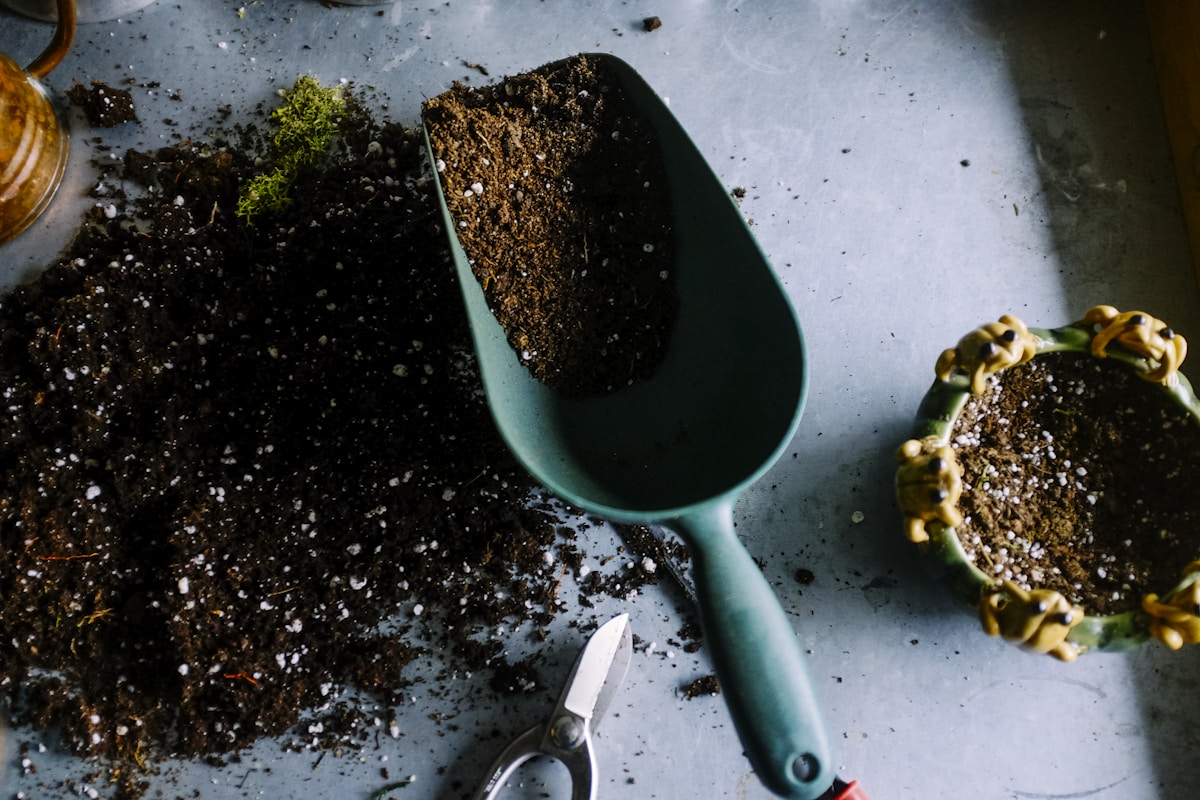
The classic recipe: 60 percent quality topsoil for minerals and structure, 30 percent finished compost for nutrients and biology, 10 percent perlite or vermiculite for drainage. For a 4-by-8-by-1-foot bed you need approximately 1 cubic yard. Bulk delivery from landscape suppliers costs $30 to $80 per yard, dramatically cheaper than bagged products.
Our detailed soil recipe guide covers precise ratios. For budget options, filling cheaply using hugelkultur or lasagna methods reduces costs by 50 to 70 percent.
Planting Your New Raised Bed
Raised beds use intensive spacing rather than traditional rows. Plants grow in tight grids throughout, producing 2 to 3 times more per square foot. General spacing: tomatoes 18 to 24 inches, peppers 12 to 18 inches, lettuce 6 to 8 inches, carrots 2 to 3 inches, herbs 8 to 12 inches. See our layout guide for detailed recommendations.
Companion planting is especially effective in raised beds. Tomatoes with basil improves flavor and deters pests. Carrots with onions repel each other major pests. Lettuce beneath taller plants gets natural summer shade.
Ongoing Maintenance
Mulching: Apply 2 to 3 inches of organic mulch to suppress weeds, retain moisture, and feed soil as it decomposes.
Annual soil care: Add 2 to 3 inches of compost each spring or fall to replenish nutrients and maintain bed height as soil settles.
Crop rotation: Rotate tomato/pepper, bean/pea, root crop, and brassica families through different positions annually to prevent disease and nutrient depletion.
Frequently Asked Questions
Do raised beds need a bottom?
No. Open-bottom beds allow earthworm access, natural drainage, and root penetration into native soil. Add hardware cloth only for burrowing pest problems.
Can I place a raised bed on grass?
Yes. Lay cardboard over the grass before placing the frame. The cardboard smothers grass and decomposes over 2 to 3 months while worms work beneath it.
How often to water?
Every 2 to 3 days in summer, daily during heat waves. Check moisture by pushing a finger 2 inches deep. Drip irrigation on a timer is most efficient.
How much does a complete raised bed cost?
Cedar bed $80 to $150 in lumber, pine $30 to $60. Bulk soil $30 to $80. Total: $60 to $230. This investment produces food for 5 to 15 years.
Can I build in partial shade?
Yes, but crop selection matters. Leafy greens, herbs, and root crops produce in 4 to 6 hours of sun. Fruiting crops (tomatoes, peppers) need 6 to 8 hours minimum.