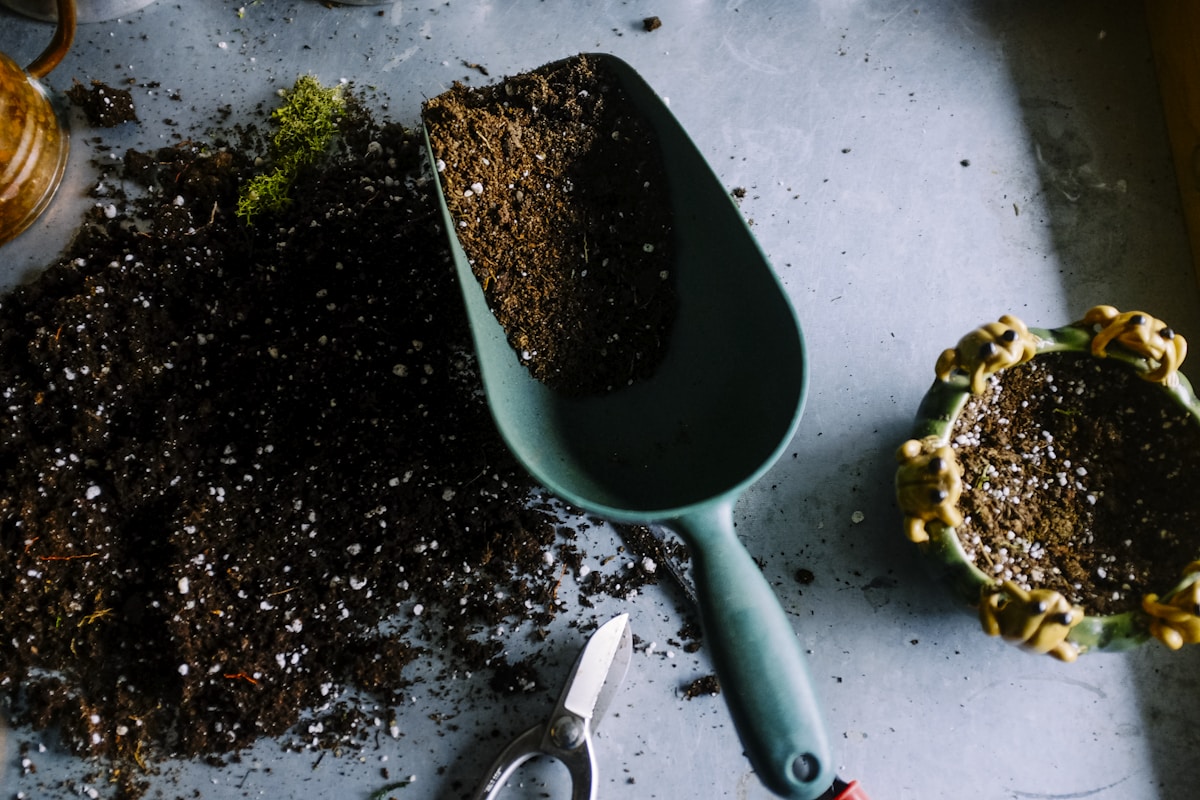
Composting is the single most impactful thing you can do for your garden. It transforms kitchen scraps and yard waste into dark, crumbly, nutrient-rich material that improves every type of soil — loosening heavy clay, adding moisture retention to sandy ground, and feeding the billions of beneficial microorganisms that make healthy plant growth possible. Professional gardeners and farmers call finished compost black gold, and once you see what it does for your garden, you will understand why.
Composting is also remarkably simple. Despite the impression that it requires careful science and constant monitoring, the basic process happens naturally every day on every forest floor in the world. Leaves fall, microorganisms break them down, and the resulting material enriches the soil. Home composting simply accelerates this natural process by concentrating organic materials and managing conditions to favor rapid decomposition.
Key Takeaways
- Composting requires just two types of materials: greens (nitrogen-rich — food scraps, grass clippings) and browns (carbon-rich — dried leaves, cardboard, straw) in roughly equal volumes
- The simplest method — a pile in the corner of your yard — works perfectly well and requires almost no equipment or investment
- Properly managed compost does not smell bad or attract pests — odor problems indicate an imbalance that is easy to fix
- Finished compost is ready in 2 to 6 months depending on method and management, and is the best soil amendment available for any garden
- Even apartment dwellers can compost through worm composting (vermicomposting) or bokashi fermentation
How Composting Works
The Biology
Composting is decomposition managed by billions of microorganisms — bacteria, fungi, actinomycetes, and other tiny life forms that consume organic matter and transform it into humus. These microbes need four things to work efficiently: carbon (energy source), nitrogen (protein source), moisture (about as damp as a wrung-out sponge), and oxygen (for aerobic decomposition that produces no bad odors).
When you build a compost pile, you are creating ideal conditions for these decomposers to thrive. The carbon comes from dry, brown materials. The nitrogen comes from fresh, green materials. You provide moisture by watering the pile or including wet materials. And you provide oxygen by building the pile with enough structure for airflow and turning it periodically.
Hot vs. Cold Composting
Hot composting involves building a large pile (at least 3 cubic feet) of properly balanced materials all at once. The microbial activity generates heat — internal temperatures reach 130 to 160 degrees Fahrenheit, which kills weed seeds and pathogens. Hot piles require turning every 1 to 2 weeks and produce finished compost in 1 to 3 months. This is the fastest method.
Cold composting is the hands-off approach. Add materials gradually as they become available, turning occasionally or not at all. The pile decomposes slowly at ambient temperature over 6 to 12 months. It does not kill weed seeds or pathogens as reliably as hot composting, but it requires far less effort. For most home gardeners, cold composting is the practical choice.
What to Compost
Green Materials (Nitrogen-Rich)
Fruit and vegetable scraps (peels, cores, rinds, tops, wilted produce), coffee grounds and paper filters, tea bags (remove staples), fresh grass clippings, fresh garden trimmings (non-diseased), plant-based food waste (rice, pasta, bread in small amounts), eggshells (crushed — technically neutral, not green, but beneficial for calcium), and fresh weeds that have not gone to seed.
Brown Materials (Carbon-Rich)
Dried leaves (the most abundant free brown material — stockpile in fall for year-round use), cardboard (torn into small pieces, no glossy coating), newspaper (shredded, black and white ink is safe), straw and hay, wood chips and sawdust from untreated wood (use sparingly — very high carbon), dried plant stalks and stems, paper towels and napkins (unbleached preferred), and dryer lint from natural fiber clothing.
What NOT to Compost
Never compost: Meat, fish, and bones (attract rodents and predators), dairy products (smell terrible, attract pests), oils and greasy food (disrupt decomposition), pet waste from cats and dogs (may contain harmful pathogens), diseased plant material (pathogens may survive composting), weeds that have gone to seed (seeds may survive cold composting), and treated or pressure-treated wood (contains chemicals).
Setting Up Your Compost System
Option 1: Simple Pile
The no-cost, no-equipment method. Choose a level, well-drained spot in your yard (partial shade is ideal — full sun dries the pile too quickly). Start with a 6-inch layer of coarse brown material (sticks, dried stalks) for air circulation at the base. Alternate layers of green and brown materials as they become available. Aim for a pile at least 3 feet wide and 3 feet tall for efficient decomposition. Cover with a tarp during heavy rain to prevent waterlogging.
Option 2: Bin Composting
Compost bins contain the pile neatly, retain heat and moisture, and discourage animal access. Commercial bins range from simple wire mesh cylinders to insulated tumblers with crank handles. The most popular home options are open-bottom bins (plastic or wood, 3 to 4 feet square) that sit directly on the ground, allowing worms and soil organisms to migrate in from below.
A DIY bin from wooden pallets (four pallets wired or screwed together into a square) creates an excellent, free compost bin. Two or three bins in a row allow you to have piles at different stages — one actively receiving new material, one cooking, and one finished and ready to use.
Option 3: Tumbler Composting
Compost tumblers are enclosed drums mounted on a frame that you rotate to turn the contents. They are convenient (no pitchfork turning), pest-proof (fully enclosed), and relatively tidy. Tumblers excel in small yards and work well for gardeners who want contained, low-maintenance composting. The downside is limited capacity — most hold 5 to 10 cubic feet — and the inability for soil organisms to access the pile from below.
Option 4: Indoor Composting
Apartment dwellers and those without yards can compost through worm composting (vermicomposting) or bokashi fermentation. Worm bins process kitchen scraps into incredibly rich worm castings that are the finest quality compost available. Bokashi systems use fermentation to pre-process all food waste (including meat and dairy) in a sealed bucket that produces no odor.
The Carbon-to-Nitrogen Balance
The 50/50 Rule (Simplified)
The scientifically optimal carbon-to-nitrogen ratio for composting is about 30:1 by weight. In practice, this translates roughly to equal volumes of brown and green materials — about half and half by bulk when building your pile. Do not stress about precise ratios. If the pile smells bad (ammonia odor), add more browns. If it is not decomposing, add more greens and moisture. The pile itself tells you what it needs.
Common Balance Problems
Too much green (nitrogen excess): Pile smells like ammonia, may become slimy and wet. Fix by adding dried leaves, shredded cardboard, or straw and mixing thoroughly.
Too much brown (carbon excess): Pile sits there doing nothing — too dry and carbon-heavy for microbes to work efficiently. Fix by adding nitrogen-rich green materials, water, and mixing thoroughly. A handful of balanced fertilizer can kickstart a stubborn pile.
Managing Your Compost
Moisture
The pile should be about as moist as a wrung-out sponge — damp throughout but not dripping water. Too dry and decomposition stops. Too wet and the pile becomes anaerobic (oxygen-depleted), producing the foul odors that give composting a bad reputation. In dry weather, water the pile when turning. In wet weather, cover it with a tarp or lid.
Turning
Turning (flipping the pile with a garden fork so the outer material goes to the center) introduces oxygen that aerobic decomposers need. For hot composting, turn every 1 to 2 weeks. For cold composting, turning every month or two speeds things along but is not strictly necessary — the pile will decompose eventually even without turning, just more slowly.
Size
A pile smaller than about 3 cubic feet (3 feet on each side) does not generate and retain enough heat for efficient hot composting. Bigger is better up to about 5 feet on each side — larger than that becomes difficult to turn and may not receive enough oxygen at the center.
When Is Compost Ready?
Finished compost looks, feels, and smells like dark, crumbly, rich earth. You should not be able to identify any of the original materials (no recognizable food scraps, leaves, or paper). It should smell pleasant — earthy and sweet, like a forest floor after rain. The volume will have reduced to roughly one-third to one-half of the original pile size.
If large chunks of unfinished material remain, screen them out (use a half-inch hardware cloth frame) and return them to the active pile. The fine, finished compost that passes through the screen is ready for immediate garden use.
Using Finished Compost
Soil amendment: Mix 2 to 3 inches of compost into garden beds before planting. This is the single most beneficial thing you can do for soil health and plant growth. Our raised bed soil mix uses compost as a primary ingredient.
Top dressing: Spread a half-inch to 1-inch layer around established plants. The nutrients leach gently into the root zone with watering and rain.
Potting mix ingredient: Blend compost with perlite and peat moss or coconut coir for a nutrient-rich container potting mix.
Lawn top dressing: Spread a quarter-inch layer of finely screened compost over lawn areas to improve soil health and grass vigor.
Compost tea: Steep finished compost in water for 24 to 48 hours to create a liquid fertilizer. Our compost tea guide covers the process in detail.
Frequently Asked Questions
Does composting attract rats and pests?
Not if managed properly. Avoid composting meat, dairy, and oily foods (the materials that attract rodents). Bury food scraps in the center of the pile under a layer of browns. Use enclosed bins in areas with known rodent activity. A properly maintained compost pile is no more attractive to pests than any other garden feature.
Does composting smell bad?
Properly managed compost should smell earthy and pleasant — like forest soil. Foul odors indicate a problem: ammonia smell means too much nitrogen (add browns), rotten egg smell means anaerobic conditions (turn the pile for oxygen, add browns for structure). Fix the balance and the smell resolves within days.
Can I compost in winter?
Yes, though decomposition slows dramatically in cold temperatures. Continue adding materials throughout winter — they will freeze and thaw without fully decomposing, then break down rapidly when spring warmth arrives. Insulating the bin with straw bales helps maintain some activity in moderate climates.
How much compost does a home pile produce?
A typical household generates enough kitchen and yard waste to produce 3 to 5 cubic feet of finished compost per year — enough to amend a 4-by-8-foot raised bed annually or maintain several large container gardens. More garden waste (fall leaves, grass clippings) significantly increases output.
Is composting worth the effort?
Absolutely. It reduces household waste by 30 to 50 percent, eliminates the need to purchase commercial soil amendments and fertilizers, and produces the single best material for improving garden soil. The investment is minimal (a pile costs nothing, bins cost $30 to $150), and the return in garden productivity and reduced waste is substantial and ongoing.