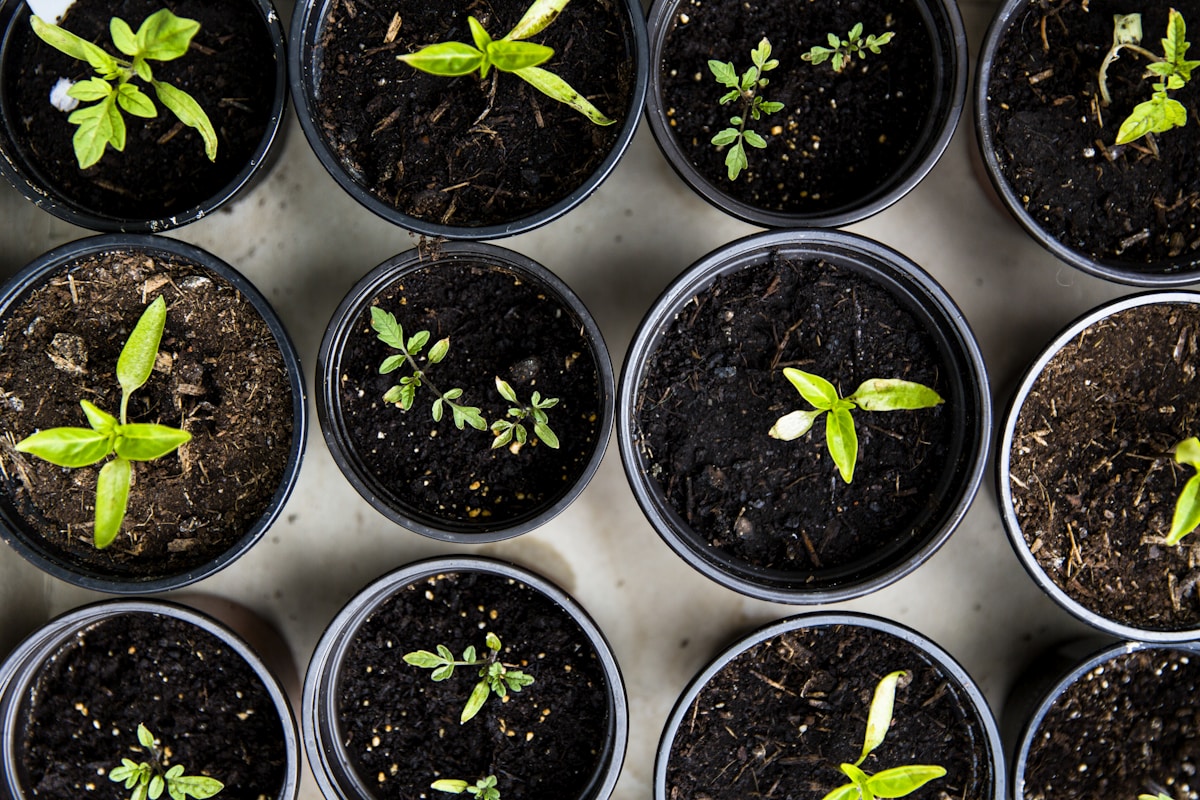
Compost tea is a liquid extract brewed from finished compost that delivers a concentrated dose of beneficial microorganisms and nutrients directly to plants and soil. Think of it as a probiotic for your garden — when applied as a soil drench or foliar spray, it introduces billions of beneficial bacteria, fungi, and protozoa that improve nutrient cycling, suppress disease, and enhance plant vigor.
While compost itself is the gold standard of soil amendments, compost tea extends those benefits in ways that solid compost cannot. As a liquid, it penetrates soil immediately and can be sprayed directly on leaves where beneficial microbes colonize leaf surfaces and compete with disease pathogens. It also allows you to maximize the value of limited compost — a small amount of compost produces gallons of tea that covers a much larger area.
Key Takeaways
- Compost tea is brewed by steeping quality finished compost in water for 24 to 48 hours with aeration to multiply beneficial microorganisms
- Aerated compost tea (actively brewed with an air pump) is far more effective than non-aerated tea because oxygen-loving beneficial microbes thrive and multiply
- Apply as a soil drench for root zone benefits or as a foliar spray for leaf disease suppression
- Use compost tea within 4 to 6 hours of brewing — the beneficial microorganisms begin dying once aeration stops
- Quality of the starting compost determines the quality of the tea — use well-finished, sweet-smelling compost for best results
How Compost Tea Works
The Microbial Multiplier
Finished compost is teeming with beneficial microorganisms — bacteria, fungi, protozoa, and nematodes that play essential roles in soil health and plant nutrition. When you steep compost in aerated water with a food source, these organisms multiply explosively. A single teaspoon of quality compost contains billions of microbes; after 24 hours of active brewing, the tea contains trillions.
These microorganisms benefit plants in several ways. They convert organic nutrients into plant-available forms (making locked-up soil nutrients accessible to roots), compete with and suppress disease pathogens on leaf surfaces and in the root zone, improve soil structure through microbial glues and fungal hyphae, and enhance the plant’s own immune responses through induced systemic resistance.
Two Brewing Methods
Aerated Compost Tea (Recommended)
Actively aerated compost tea (AACT) uses an air pump to bubble oxygen through the brewing liquid, creating ideal conditions for beneficial aerobic microorganisms to multiply rapidly. This is the method recommended by soil scientists and the one that produces the most biologically active tea.
Equipment needed: A 5-gallon bucket, an aquarium air pump (the largest you can find — dual-outlet models work well), aquarium tubing, an air stone or bubbler, a mesh bag or old pillowcase (to contain the compost), and a small amount of unsulfured molasses (microbial food source).
Brewing process:
Fill the 5-gallon bucket with water. If using chlorinated municipal water, let it sit for 24 hours or bubble the air pump in the water for 1 hour before adding compost — chlorine kills the beneficial microbes you are trying to multiply. Place 4 to 6 cups of quality finished compost in the mesh bag and suspend it in the water. Add 1 to 2 tablespoons of unsulfured molasses (feeds the bacteria, causing rapid multiplication). Place the air stone at the bottom of the bucket and turn on the air pump. Brew for 24 to 36 hours with continuous aeration. The liquid should smell sweet and earthy — never foul or putrid.
Non-Aerated Compost Tea (Simple Steep)
The simple method: place compost in a burlap sack or mesh bag, suspend in a bucket of water, and let it steep for 24 to 72 hours, stirring occasionally. This produces a nutrient extract but with far fewer beneficial microorganisms than the aerated method. It is better than nothing and simpler to make, but aerated tea is significantly more effective for disease suppression and soil biology enhancement.
Application
As a Soil Drench
Apply undiluted or diluted (up to 1:5 with water) directly to the soil around plant bases. The microorganisms colonize the root zone and soil, improving nutrient cycling and competing with disease pathogens. Apply 1 to 2 cups per small plant, 1 to 2 gallons per large shrub or tree. Water into the soil after application.
As a Foliar Spray
Strain the tea through cheesecloth or a fine mesh to remove particles that clog sprayer nozzles. Spray on all leaf surfaces including undersides in the early morning or late afternoon (avoid midday sun which kills microbes on leaf surfaces). Foliar application is particularly effective for suppressing powdery mildew and other foliar diseases. Add a teaspoon of liquid soap per gallon as a surfactant to help the tea stick to leaves.
Application Frequency
Apply every 2 to 4 weeks during the growing season. Monthly applications provide meaningful soil biology enhancement. Biweekly applications during disease-prone periods (humid weather, powdery mildew season) provide the strongest foliar disease suppression.
Tips for Best Results
Use quality compost. The tea is only as good as the compost it is brewed from. Well-finished, sweet-smelling compost with diverse organic inputs produces the richest microbial tea. Worm castings make exceptionally high-quality compost tea.
Use immediately. Apply compost tea within 4 to 6 hours of turning off the air pump. Without continuous oxygen, aerobic microbes begin dying and anaerobic organisms take over — turning beneficial tea into potentially harmful liquid.
Brew in moderate temperatures. Microbial activity is optimal at 65 to 80 degrees Fahrenheit. Brewing in very cold conditions produces weak tea; very hot conditions can kill beneficial organisms.
Never let it go anaerobic. If the tea smells bad (putrid, rotten, sulfurous), the brew went anaerobic — discard it. Good compost tea smells pleasant and earthy, like rich forest soil.
Frequently Asked Questions
Does compost tea actually work?
The scientific evidence is mixed. Soil biology enhancement and disease suppression benefits are well-documented in controlled studies. Nutrient delivery is modest compared to direct compost application. The greatest benefit appears to be in disease suppression through foliar application and soil biology improvement through soil drenches. It is most effective as a supplement to, not a replacement for, direct compost application.
Can I use compost tea on edible crops?
Yes, compost tea is safe for all edible crops. Apply to soil or foliage at any growth stage. Wash harvested produce as you normally would. The microorganisms in properly brewed compost tea are beneficial, not pathogenic.
Can I over-apply compost tea?
It is very difficult to over-apply. The microorganisms and dilute nutrients in compost tea do not burn plants or damage soil at any reasonable application rate. More is not necessarily better (diminishing returns beyond monthly application), but there is no harm from generous use.
How is compost tea different from compost extract?
Compost extract is simply compost soaked in water without active aeration or microbial multiplication. It extracts some nutrients and a small number of microbes. Aerated compost tea actively multiplies the microbial population by orders of magnitude, producing a vastly more biologically active liquid. The distinction is significant — aerated tea delivers dramatically more beneficial organisms per gallon.
Can I store compost tea?
No — use it the same day it finishes brewing. Without continuous aeration, the beneficial aerobic organisms die within hours and anaerobic bacteria take over. Stored tea becomes biologically useless or potentially harmful. Brew only the amount you can apply immediately.