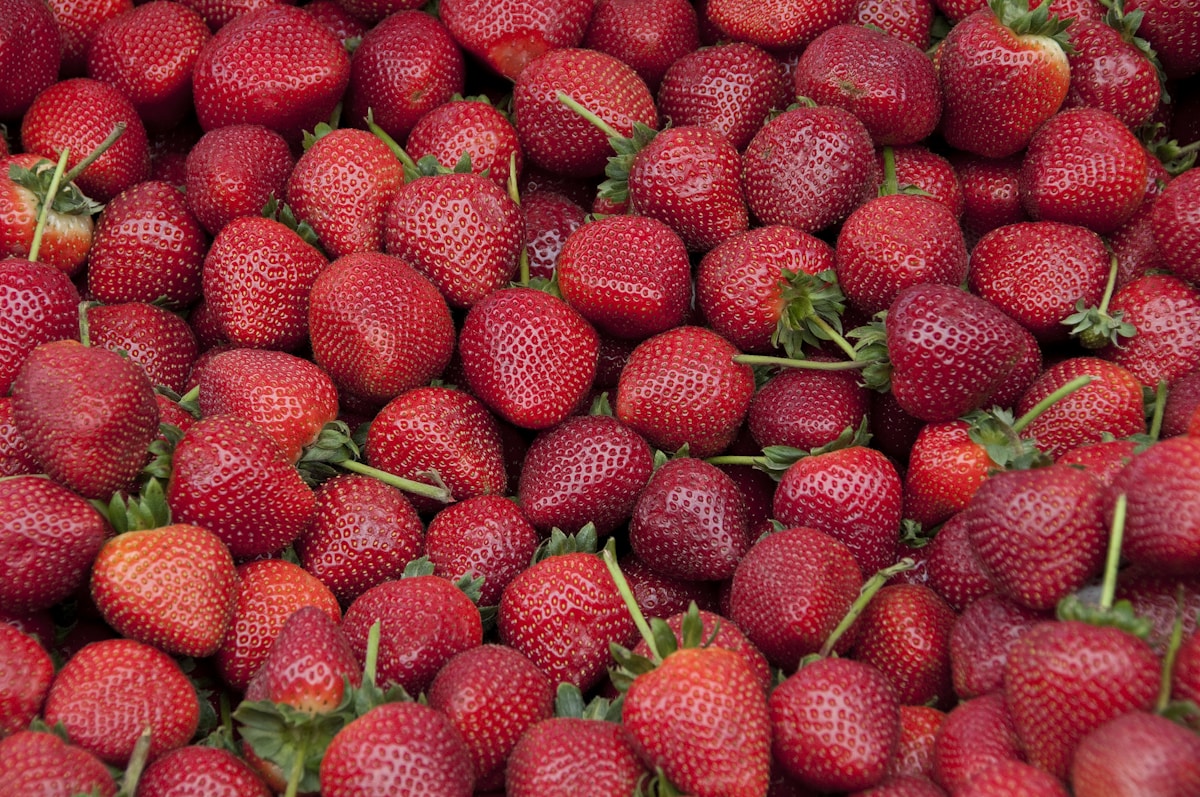
Few things in gardening rival the pleasure of eating a sun-warmed strawberry picked straight from your own plants. The difference between a homegrown strawberry and a grocery store berry is so dramatic that many first-time growers describe it as eating an entirely different fruit. Commercial strawberries are bred for shipping durability and shelf life, while home garden varieties are selected for flavor, sweetness, and aroma — qualities that simply cannot survive the journey from farm to supermarket.
Strawberries are remarkably productive for the space they occupy. A well-maintained bed of 25 plants can produce 25 to 50 pounds of fruit per season — enough for a family to enjoy fresh berries daily during the harvest window with plenty left for freezing, jam, and sharing with neighbors. They are also one of the few fruit crops that produce a meaningful harvest in their first year, making them ideal for gardeners who want quick gratification.
This guide covers everything you need to know to establish a productive strawberry patch, from choosing the right variety type for your goals to planting, care, runner management, and protecting your crop through winter for years of reliable harvests.
Key Takeaways
- June-bearing varieties produce one massive harvest over 2 to 3 weeks and deliver the highest total yield; everbearing types produce smaller amounts continuously from June through October
- Strawberries need full sun (6 to 8 hours minimum), well-drained soil rich in organic matter, and consistent moisture especially during fruit development
- For June-bearers, remove all flowers the first year to build strong plants that produce heavily in year two — this sacrifice pays enormous dividends
- Manage runners strategically: allow some to root for bed renewal, remove the rest to keep plants focused on fruit production
- With proper care and renovation, a strawberry bed remains productive for 3 to 5 years before needing replacement
Understanding Strawberry Types
June-Bearing Strawberries
June-bearing varieties produce a single concentrated harvest over a 2 to 3-week period, typically in late May through June depending on your climate zone. During this window, production is intense — a mature plant can yield 1 to 2 pints of fruit. The berries tend to be larger than everbearing types and are considered to have the best flavor by most taste comparisons.
The concentrated harvest makes June-bearers ideal for gardeners who want to preserve strawberries — you get large quantities at once, perfect for making jam, freezing, dehydrating, or baking. The downside is that once the harvest window closes, no more fresh berries appear until next year.
Popular June-bearing varieties include Earliglow (earliest to ripen, excellent disease resistance, outstanding flavor), Jewel (large berries, high yield, great for freezing), Honeoye (very productive, mild sweet flavor, good for northern climates), and Chandler (large, sweet berries popular in southern regions with warmer winters).
Everbearing and Day-Neutral Strawberries
Everbearing varieties produce two to three smaller flushes of fruit throughout the growing season — typically in early summer, mid-summer, and fall. Day-neutral varieties (a subset often grouped with everbearers) produce fruit continuously from late spring through fall as long as temperatures stay between 35 and 85 degrees Fahrenheit. Both types produce smaller total yields than June-bearers but deliver fresh berries over a much longer period.
Everbearing types are perfect for gardeners who want a steady supply of fresh eating berries rather than one large preserving harvest. They also excel in containers and hanging baskets where continuous production justifies the space. See our container vegetable guide for more on growing strawberries in pots.
Popular everbearing and day-neutral varieties include Albion (day-neutral, exceptional flavor, firm berries, long harvest), Seascape (day-neutral, very productive, sweet, heat tolerant), Ozark Beauty (everbearing, cold-hardy, reliable performer), and Tristar (day-neutral, small but intensely flavored berries, disease resistant).
Alpine Strawberries
Alpine strawberries (Fragaria vesca) are tiny, intensely flavored woodland berries that produce small quantities of fruit continuously throughout the growing season. Individual berries are marble-sized but their flavor is extraordinarily concentrated — like strawberry perfume. They do not produce runners, making them well-behaved edging plants for garden beds and paths. Varieties like Alexandria and Mignonette grow easily from seed and produce fruit the first year.
Site Selection and Soil Preparation
Sunlight Requirements
Strawberries need full sun — a minimum of 6 to 8 hours of direct sunlight daily for productive fruit set. They tolerate partial shade (4 to 6 hours of sun) but produce significantly fewer and smaller berries. Morning sun is particularly valuable as it dries dew from leaves quickly, reducing fungal disease pressure.
Soil Conditions
Strawberries thrive in well-drained, loamy soil rich in organic matter with a slightly acidic pH of 5.5 to 6.8. They are extremely intolerant of waterlogged conditions — persistent wet feet cause root rot that kills plants quickly. If your soil is heavy clay or stays wet after rain, grow strawberries in raised beds where you control drainage completely.
Prepare the planting area by working 3 to 4 inches of compost into the top 8 to 10 inches of soil. If building a new bed, the raised bed soil mix detailed in our guide provides excellent strawberry growing conditions. Avoid planting where tomatoes, peppers, eggplant, or potatoes grew in the previous three years — these crops can harbor verticillium wilt, a soil-borne fungus that devastates strawberries.
Planting Strawberries
When to Plant
Plant strawberries in early spring as soon as the soil can be worked, typically 4 to 6 weeks before the last expected frost. Strawberry plants tolerate light frosts and actually establish better in cool spring conditions than in summer heat. In mild-winter regions (zones 7 to 10), fall planting (September to October) allows root establishment during cool months for strong spring production.
Planting Depth and Spacing
Proper planting depth is critical and the most common beginner mistake. The crown — the thick central part where leaves emerge from roots — must sit exactly at soil level. If the crown is buried, it rots. If it is above the soil surface, roots dry out and the plant dies. Set the plant so that the midpoint of the crown is level with the surrounding soil, then firm the soil gently around the roots.
For the matted row system (most common for June-bearers), space plants 18 to 24 inches apart in rows 3 to 4 feet apart. Runners will fill in the spaces over the first growing season. For the hill system (best for everbearers and day-neutrals), space plants 12 inches apart in rows 12 inches apart, removing all runners to keep plants focused on fruit.
The First-Year Sacrifice (June-Bearers)
This is the hardest part of growing June-bearing strawberries: you must remove every flower that appears during the first growing season. Yes, all of them. This feels counterintuitive and painful, but it allows the plant to invest all its energy into building a strong root system and producing runners that fill out your bed. The payoff comes in year two, when these robust, well-established plants produce three to five times the fruit they would have if allowed to bear in year one.
For everbearing and day-neutral types, remove flowers only until early July of the first year, then allow fruit to set for a modest fall harvest. This compromise gives plants several months of vegetative growth while still providing some first-year berries.
Growing Season Care
Watering
Strawberries need 1 to 1.5 inches of water per week, with consistent moisture being especially critical during flowering and fruit development. Irregular watering during fruiting produces small, misshapen, or seedy berries. Drip irrigation or soaker hoses are ideal because they deliver water directly to the root zone without wetting the foliage and fruit — wet berries are prone to gray mold (botrytis), the most common strawberry disease.
If hand watering, water at the base of plants in the morning so any splashed foliage dries quickly. Avoid overhead sprinklers during fruiting — they promote disease and can damage delicate flowers and ripening fruit.
Mulching
Mulch is essential for strawberry growing. A 2 to 3-inch layer of straw (not hay, which contains weed seeds), pine needles, or shredded leaves serves multiple functions: conserves moisture, suppresses weeds, keeps fruit clean and off the soil (reducing rot and soil-splash disease), and moderates soil temperature. Apply mulch after planting, tucking it around plants but keeping the crown exposed.
Fertilizing
Apply a balanced organic fertilizer (10-10-10 or similar) at planting and again in mid-summer after the June-bearing harvest or during the mid-season pause for everbearers. Avoid excessive nitrogen, which promotes lush foliage at the expense of fruit. Too much nitrogen also makes plants more susceptible to disease.
In subsequent years, fertilize once in early spring when new growth begins and again after the main harvest. If you are building soil fertility through regular composting, a 1-inch top-dressing of finished compost in early spring may provide sufficient nutrition without additional fertilizer.
Runner Management
June-bearing strawberries produce runners (stolons) — long stems that extend from the mother plant, develop small plantlets at their tips, and root to create new plants. This is how strawberry beds naturally expand and renew themselves. However, uncontrolled runner production reduces fruit yield because the mother plant diverts energy from berry production to vegetative reproduction.
For the matted row system, allow early runners (June and July) to root and fill gaps in your row, positioning them to maintain roughly 6 to 8-inch spacing between plants. Remove all runners that form after August — the bed is full, and late runners produce weak plants that lower overall productivity. For the hill system used with everbearers, remove all runners promptly throughout the season.
Protecting From Pests and Problems
Birds
Birds are the number one strawberry pest. As berries begin to ripen, birds discover them and can strip a bed bare overnight. Bird netting draped over hoops or a simple frame is the most reliable protection. Secure the netting edges with rocks or soil to prevent birds from finding gaps. Alternatively, floating row cover provides a physical barrier while also offering light frost protection.
Slugs and Snails
Slugs and snails feed on ripe berries at night, leaving ragged holes and slimy trails. Straw mulch helps by creating a dry surface that slugs find uncomfortable to cross. For heavy infestations, see our slug control guide for effective organic methods. Iron phosphate-based slug baits are safe for use around food crops and pets.
Gray Mold (Botrytis)
Gray mold is a fuzzy gray fungus that attacks ripe and overripe berries, especially in wet conditions. Prevention is key: maintain good air circulation between plants, avoid overhead watering, harvest berries promptly when ripe, and remove any infected fruit immediately — one moldy berry spreads spores rapidly to neighboring fruit.
Powdery Mildew
White powdery patches on leaves reduce plant vigor and berry quality. Ensure adequate spacing for air circulation and choose resistant varieties when available. Our powdery mildew treatment guide covers organic control options in detail.
Winter Protection
Strawberry plants are surprisingly cold-hardy — the crown and roots survive temperatures well below zero when insulated. However, without protection, repeated freeze-thaw cycles in late fall and early spring can heave plants out of the soil and damage crowns.
After several hard frosts have sent plants dormant (usually late November in northern zones), cover the bed with 4 to 6 inches of clean straw or pine needles. This insulating layer keeps the soil temperature stable through winter, preventing the heaving that damages roots. In spring, as new green growth appears under the mulch, gradually pull the straw back to the aisles between rows — it continues to serve as weed suppressant and fruit-clean mulch through the growing season.
Bed Renovation (June-Bearers)
June-bearing strawberry beds decline in productivity after 3 to 4 years as plants become crowded and soil nutrients deplete. Annual renovation immediately after harvest extends productive life significantly.
The renovation process involves mowing or cutting all foliage to 1 to 2 inches above the crowns (do not cut into the crowns themselves), narrowing rows to 12 to 18 inches by removing plants from the edges, thinning remaining plants to 4 to 6-inch spacing within rows, applying 1 inch of compost and balanced fertilizer, and watering thoroughly to stimulate new growth. This aggressive reset rejuvenates the bed and allows new runner plants to fill in refreshed growing space.
Growing Strawberries in Containers
Strawberries adapt excellently to container growing. Use pots at least 8 inches deep with good drainage, or purpose-built strawberry planters with multiple planting pockets. Hanging baskets create attractive displays as plants cascade over the sides with dangling fruit. Everbearing varieties are ideal for containers because they produce continuously and do not require the runner management that June-bearers demand.
Container strawberries need more frequent watering than in-ground plants — check daily in warm weather. Use quality potting mix and feed every 2 weeks with diluted liquid fertilizer during the growing season. In cold climates, move containers to an unheated garage or wrap in insulation for winter protection, since containerized roots lack the insulating benefit of garden soil.
Frequently Asked Questions
How many strawberry plants do I need?
For a family of four wanting fresh eating during harvest season, plant 25 June-bearing plants or 15 everbearing plants. To also have enough for preserving (jam, freezing), plant 50 June-bearing plants. Each June-bearing plant produces roughly 1 to 2 pints at peak production; everbearing plants produce about 1 pint total spread over the season.
Can I grow strawberries from grocery store fruit?
Technically the seeds on store-bought berries can be sprouted, but the process is extremely slow (germination takes 2 to 4 weeks minimum, and plants take a full year to produce fruit). The resulting plants may also be patented varieties that are legally protected. For reliable results, purchase certified disease-free strawberry plants from a reputable nursery.
Why are my strawberries small and misshapen?
Small berries usually indicate overcrowded beds (thin plants), nutrient deficiency (fertilize), or insufficient water during fruit development. Misshapen berries result from poor pollination (common during cold, wet spring weather when bee activity is low) or frost damage to flowers. Both issues typically improve as conditions warm and stabilize.
When should I replace my strawberry bed?
June-bearing beds with annual renovation remain productive for 4 to 5 years. Without renovation, expect significant decline after year 3. Everbearing beds typically last 2 to 3 years before needing replacement. Start a new bed in a different location using fresh plants (not runners from the old bed) when productivity noticeably declines.
Do strawberries grow well in raised beds?
Excellent. Raised beds provide the perfect growing conditions for strawberries — well-drained soil, easy weed control, and comfortable harvesting height. A single 4-by-8-foot raised bed holds 32 plants at 12-inch spacing (hill system) and produces a meaningful family harvest.