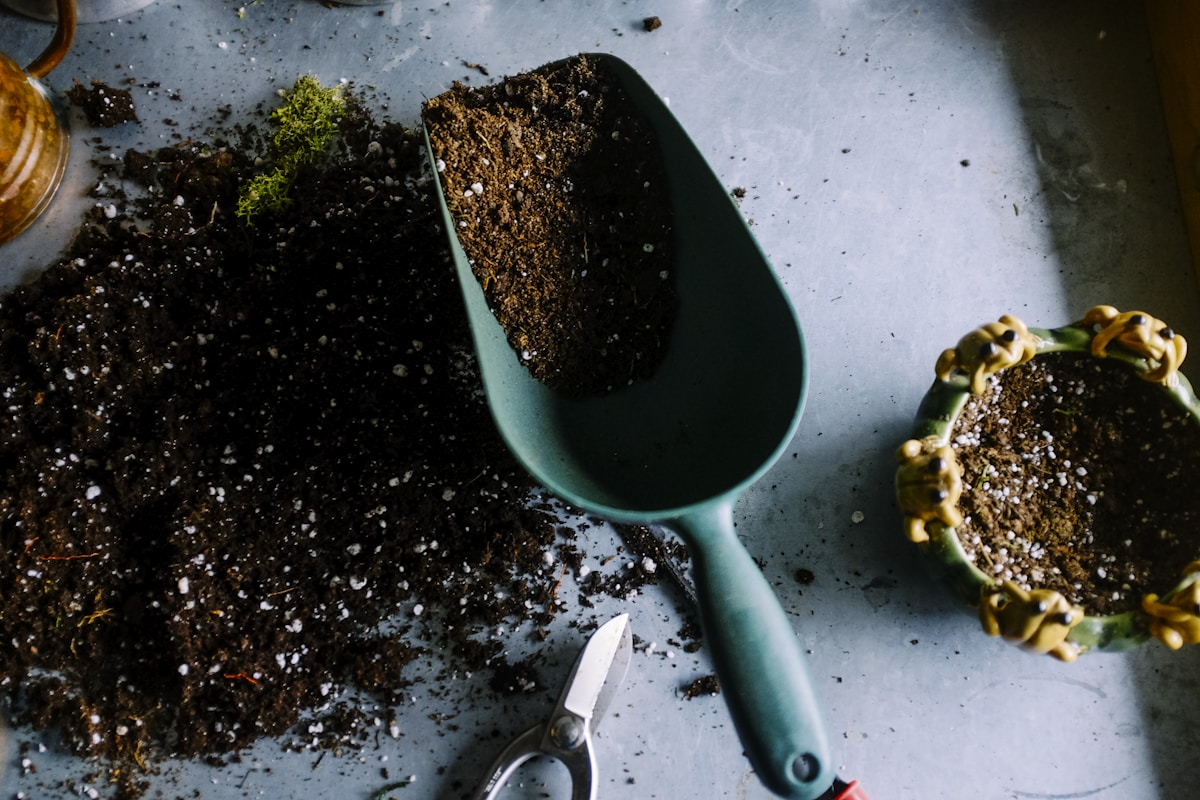
Potting soil is the foundation of every container garden. Get it right, and your plants thrive with minimal effort. Get it wrong, and you fight an uphill battle against waterlogged roots, nutrient deficiencies, compacted soil, and struggling plants regardless of how well you water and feed them. The difference between a premium potting mix and a cheap one is the difference between a garden that works and one that frustrates.
The confusing part is that bags on store shelves all look similar and make similar claims. Understanding what’s actually inside those bags—and why it matters—transforms you from a consumer hoping for the best into a gardener choosing with confidence. This guide explains exactly what makes potting soil work, how to evaluate products, what ingredients to seek and avoid, and how to make your own superior mix at significant savings.
Key Takeaways
- Never use garden soil in containers—it compacts, drains poorly, and harbors diseases in pots
- Quality potting mix contains three functional components: moisture retention (peat/coir), drainage (perlite), and nutrition (compost/fertilizer)
- The cheapest potting soils often contain more filler than functional ingredients—mid-range products consistently outperform budget options
- Specialty mixes for specific plants (orchids, succulents, seed starting) genuinely perform better than all-purpose mixes for those applications
- Making your own potting mix saves 40-60% and lets you customize the blend for your specific plants
Why Garden Soil Fails in Containers
The first rule of container gardening is absolute: never put garden soil in pots. This isn’t snobbery—it’s physics. Garden soil in the ground benefits from worms, deep drainage, microbial networks, and root systems that maintain structure. Remove those factors by placing it in a pot, and garden soil becomes a dense, airless, waterlogged mass that suffocates roots.
Garden soil in containers compacts under its own weight, eliminating the air spaces roots need to breathe. It drains slowly, keeping roots saturated for hours or days after watering—conditions that cause root rot. It may contain weed seeds, disease organisms, and insect larvae that flourish in the warm, moist container environment. And its weight makes containers unnecessarily heavy.
Container gardening demands a purpose-engineered growing medium—potting mix—designed to balance moisture retention, drainage, aeration, and nutrition in the confined space of a pot.
What’s Inside Quality Potting Mix
Moisture Retention: Peat Moss or Coconut Coir
Peat moss is the traditional base ingredient of most potting mixes, comprising 40-60% of the blend. It holds up to 20 times its weight in water while maintaining a loose, airy structure. Peat creates the moisture reservoir that keeps roots hydrated between waterings without waterlogging.
Coconut coir (ground coconut husks) is the sustainable alternative to peat and increasingly replaces it in premium mixes. Coir performs similarly to peat for moisture retention while being a renewable resource. It’s slightly better at re-wetting after drying out (dry peat becomes water-repellent; coir doesn’t). Coir-based mixes are an excellent choice for environmentally conscious gardeners.
Drainage and Aeration: Perlite and Vermiculite
Perlite is the white, popcorn-like volcanic mineral visible in most potting mixes. It creates permanent air channels in the soil that prevent compaction and ensure drainage. Perlite doesn’t absorb water—it creates spaces between soil particles where air and excess water flow freely. Quality mixes contain 15-25% perlite.
Vermiculite is a mica-like mineral that both improves aeration and retains moisture. It absorbs and slowly releases water, acting as a moisture buffer. Vermiculite is especially valuable in seed-starting mixes and for moisture-loving plants. Used in combination with perlite, it creates a versatile growing medium.
Nutrition: Compost, Worm Castings, and Fertilizer
Compost provides slow-release nutrients, beneficial soil microbes, and organic matter that improves soil structure over time. Premium mixes include 10-20% composted material. Worm castings (vermicompost) deliver gentle, balanced nutrition plus growth-promoting hormones and beneficial bacteria. Our composting guide covers how to make your own.
Slow-release fertilizer granules in pre-fertilized mixes provide 3-6 months of controlled nutrition. This eliminates the need for supplemental feeding during the initial months—a significant convenience, especially for beginners. Look for “feeds for X months” on the label.
Other Ingredients
Bark fines: Composted pine bark adds structure, drainage, and organic matter. Present in most mixes at 10-20%.
Mycorrhizae: Beneficial fungi that form symbiotic relationships with plant roots, dramatically improving nutrient uptake and drought tolerance. Premium mixes increasingly include mycorrhizal inoculants—a genuinely beneficial addition worth seeking.
Wetting agents: Surfactants that help dry potting mix absorb water uniformly. Especially important for peat-based mixes, which become hydrophobic when completely dry.
What to Avoid in Potting Mix
Excessive “filler” materials: Budget mixes pad volume with cheap materials that don’t serve plants—raw sawdust, uncomposted wood chips, excessive sand, or low-quality compost. These fillers add weight without function and may actually harm plants by tying up nitrogen (raw wood) or creating drainage problems (sand).
Soil or sediment: Any potting mix that feels heavy, sticky, or mud-like contains soil or sediment that doesn’t belong in containers. Quality potting mix is lightweight and fluffy. If you pick up a bag and it feels remarkably heavy for its size, the mix likely contains filler.
Strong ammonia or sour smell: Fresh potting mix should smell earthy and pleasant. A strong ammonia odor indicates incompletely composted materials that can burn roots. A sour or rotten smell signals anaerobic decomposition—the mix has been stored too long in sealed, wet conditions.
Visible insects or fungal growth: While some mold on the surface of bagged mix is normal (harmless saprophytic fungi), heavy fungal growth, insect larvae, or other organisms indicate poor quality control.
Choosing the Right Mix for Your Plants
All-Purpose Potting Mix
Suitable for most container plants: annuals, perennials, vegetables, herbs, and general container gardening. The most versatile and commonly used type. If you’re buying one mix for everything, choose a premium all-purpose blend.
Seed-Starting Mix
Ultra-fine, sterile, and moisture-retentive. Contains no large bark pieces or fertilizer that could burn tender seedlings. Essential for starting seeds indoors—don’t substitute all-purpose mix for seed starting.
Succulent and Cactus Mix
Extra perlite and sand for rapid drainage. These plants rot quickly in standard potting mix. Succulent mixes typically contain 40-50% mineral material (perlite, pumice, coarse sand) compared to 15-25% in all-purpose mixes.
Orchid Mix
Primarily chunky bark with minimal fine material—orchid roots need air circulation and light, not the dense moisture of standard mixes. Orchid mix barely resembles “soil” at all.
Raised Bed Mix
Heavier and denser than container potting mix, designed for the deeper soil column of raised beds. Contains more topsoil and compost, less perlite. See our raised bed soil recipe guide for the optimal blend.
DIY Potting Mix Recipes
All-Purpose Container Mix
This recipe creates an excellent growing medium for most container plants at roughly half the cost of premium bagged mixes:
- 4 parts peat moss or coconut coir
- 2 parts perlite
- 1 part quality compost or worm castings
- 1/2 cup slow-release fertilizer per 10 gallons of mix
- Optional: 2 tablespoons garden lime per 10 gallons (adjusts pH if using peat moss, which is acidic)
Mix thoroughly in a large container or on a tarp. Moisten the blend before filling pots—pre-wet mix is easier to work with and ensures even moisture distribution from the start.
Mediterranean Herb Mix (for rosemary, thyme, lavender, sage)
- 3 parts peat moss or coconut coir
- 3 parts perlite or coarse sand
- 1 part compost
- No additional fertilizer (lean soil produces more flavorful herbs)
This fast-draining mix mimics the rocky, lean soil that Mediterranean herbs evolved in. They develop stronger flavors and better form in this mix than in rich all-purpose blends. See our herb garden guide for grouping herbs by soil preference.
Vegetable Container Mix
- 3 parts peat moss or coconut coir
- 2 parts perlite
- 2 parts compost or worm castings
- 1 cup slow-release vegetable fertilizer per 10 gallons
- Optional: 1/4 cup bone meal per 10 gallons (for tomatoes and peppers—calcium source)
Richer than the all-purpose recipe, this mix supports heavy-feeding container vegetables like tomatoes and peppers through their demanding production cycles.
Refreshing and Reusing Potting Soil
Quality potting mix doesn’t need replacing every year. Refreshing last year’s soil saves money while maintaining growing performance:
- Remove old root balls and large debris
- Break up compacted clumps and fluff the soil
- Mix in 25-30% fresh potting mix or compost by volume
- Add slow-release fertilizer per package directions
- If soil is hydrophobic (water beads on surface), add a wetting agent or thoroughly moisten before planting
Don’t reuse soil from plants that had disease problems (root rot, blight, wilting diseases). Discard that soil rather than risking infection transfer to new plants.
After 3-4 seasons of refreshing, replace the entire batch with fresh mix. Accumulated mineral salts, depleted organic matter, and degraded structure eventually limit refreshing’s effectiveness.
Frequently Asked Questions
What is the difference between potting soil and potting mix?
Technically, “potting soil” may contain actual soil while “potting mix” is soil-free—composed entirely of peat, perlite, bark, and other manufactured ingredients. In practice, many brands use the terms interchangeably. The important thing is reading the ingredient list rather than relying on the name.
Is expensive potting soil worth it?
Mid-range products offer the best value. The cheapest options genuinely underperform with more filler and less functional material. Premium products perform well but sometimes charge primarily for branding. The sweet spot is mid-range potting mix from established brands—quality ingredients without luxury pricing.
Can I mix garden soil into potting mix?
For raised beds (which have open bottoms and deep soil columns), mixing garden soil with compost and amendments works well. For containers, avoid garden soil entirely—it creates the drainage and compaction problems that potting mix is designed to prevent.
How much potting soil do I need?
For a rough estimate: a 10-inch pot needs about 0.5 cubic feet; a 5-gallon container needs about 0.7 cubic feet; a window box (36 inches long) needs about 0.5-0.75 cubic feet. Buy slightly more than calculated—soil settles after watering, and you’ll want extra for topping up.
Does potting soil go bad?
Unopened bags stored in a dry, cool location remain usable for 1-2 years. Opened bags exposed to moisture may develop mold or decompose—refresh with perlite and fertilizer before using. If the mix smells sour or looks slimy, discard it.
Should I put rocks in the bottom of containers for drainage?
No—this common advice is actually a myth. A gravel layer at the bottom creates a “perched water table” that keeps the soil above it wetter, not drier. Proper drainage comes from quality potting mix with adequate perlite and containers with sufficient drainage holes. Skip the rocks entirely and fill containers completely with potting mix.