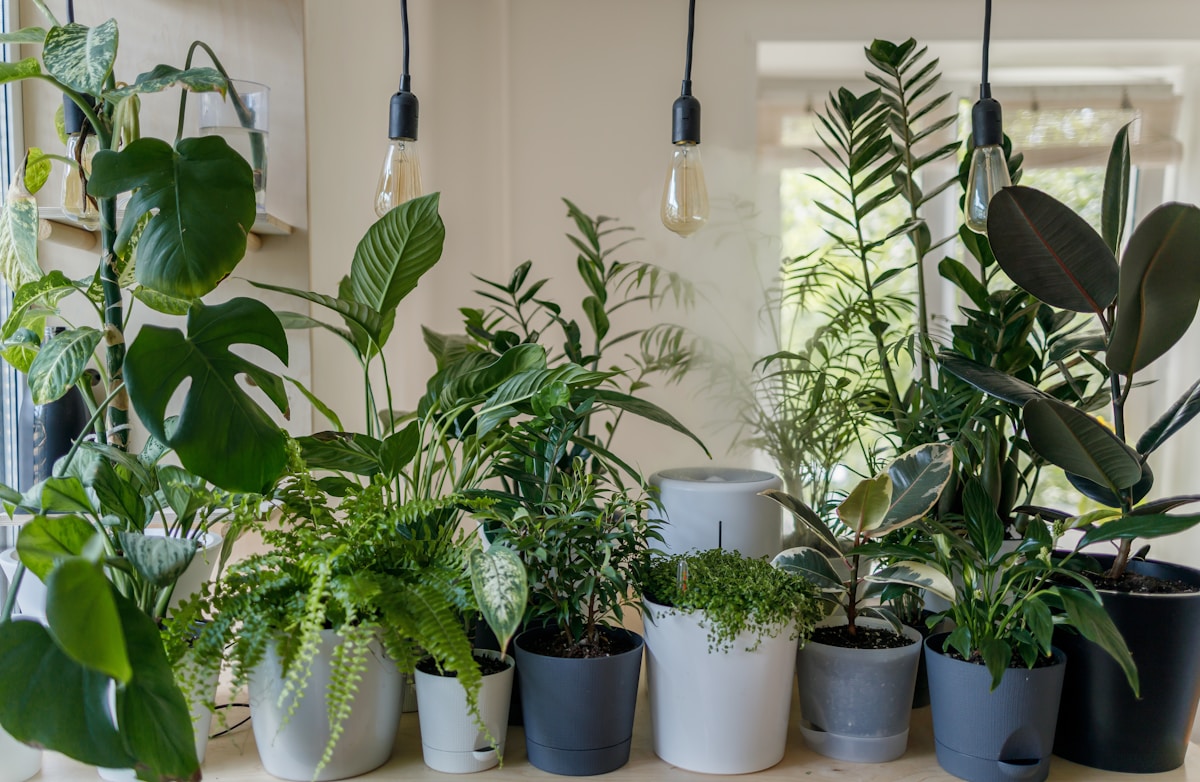
The idea that serious vegetable gardening requires a large yard is outdated. Modern container varieties, better growing techniques, and purpose-designed equipment have transformed patio and balcony gardening from a hobby of modest expectations into a genuinely productive food-growing system. A single sunny balcony with 8-10 well-chosen containers can produce hundreds of pounds of fresh vegetables per season.
The key to productive container vegetable gardening lies in choosing the right crops. Not every vegetable thrives in the confined space of a pot—but many actually perform as well or better in containers than in traditional garden beds. The controlled environment of a container lets you optimize soil, moisture, and nutrition for each individual plant in ways that garden beds simply cannot match.
This guide covers the 15 most productive vegetables for container growing, with specific variety recommendations, optimal pot sizes, expected yields, and care instructions that maximize every square foot of your growing space.
Key Takeaways
- Container size directly impacts yield—upgrading from a 5-gallon to a 10-gallon pot can double tomato production
- Determinate (bush) tomato varieties bred for containers outperform indeterminate types in pots
- Leafy greens and herbs deliver the highest value per square foot in container gardens
- Most container vegetables need minimum 6 hours of direct sunlight for productive harvests
- Self-watering containers with quality potting mix eliminate the two biggest container gardening challenges
1. Tomatoes: The Container Garden Superstar
Tomatoes are the most rewarding container vegetable. A single well-grown plant produces 10-20 pounds of fruit, delivering extraordinary value from one pot. The secret to container tomato success lies in variety selection—choose determinate (bush) types bred specifically for containers rather than the sprawling indeterminate varieties that belong in garden beds.
Best container varieties: ‘Patio Princess’ (compact, heavy-producing slicer), ‘Bush Early Girl’ (4-ounce slicers on 24-inch plants), ‘Tumbling Tom’ (cascading cherry type perfect for hanging baskets), ‘Tiny Tim’ (miniature plant, big flavor), and ‘Better Bush’ (full-size flavor on 4-foot plants).
Container requirements: Minimum 5 gallons per plant, 10 gallons strongly recommended. Use premium potting mix amended with slow-release fertilizer. Full sun (6-8 hours minimum). Consistent watering is critical—irregular moisture causes blossom end rot and fruit cracking. Stake or cage even compact varieties for support as fruit loads increase.
2. Peppers: Heat Lovers That Thrive in Pots
Both sweet and hot peppers adapt excellently to container culture. The warm microclimate that pots provide—sun-heated soil, radiant warmth from nearby walls—actually benefits peppers more than traditional beds in cooler climates. Peppers slightly root-bound in containers often produce more fruit than plants with unlimited root space.
Best sweet pepper varieties: ‘Lunchbox’ (snack-size, incredibly sweet), ‘Sweet Banana’ (prolific, easy), ‘Mini Belle’ (tiny plants, colorful fruit). Best hot varieties: Nearly all hot peppers thrive in containers—jalapeños, habaneros, Thai chilis, and ghost peppers all produce abundantly in 3-5 gallon pots.
Container requirements: 3-5 gallon pots. Full sun (6-8 hours). Feed every 2 weeks with liquid fertilizer once fruits begin forming. Peppers are lighter feeders than tomatoes but need consistent moisture and warmth. Learn more about pepper cultivation in our complete pepper growing guide.
3. Lettuce and Salad Greens: Maximum Return, Minimum Space
Lettuce is arguably the smartest container vegetable in terms of cost savings. Organic salad mix costs $5-8 per container at grocery stores and wilts within days. A single 12-inch pot of cut-and-come-again lettuce provides salad greens for 6-8 weeks, regrowing after each harvest. Plant succession rounds every 3 weeks for an unbroken supply.
Best varieties: Mesclun mixes (multiple lettuces in one sowing), ‘Salad Bowl’ (loose-leaf, heat tolerant), ‘Buttercrunch’ (tender, buttery heads), ‘Red Sails’ (beautiful color, slow to bolt). Add arugula, mizuna, and baby kale to mixes for diverse flavor profiles.
Container requirements: 8-inch wide, 6+ inches deep—lettuce has shallow roots. Partial shade is fine (4-6 hours sun). Keep consistently moist. Lettuce prefers cooler temperatures—perfect for spring, fall, and shaded summer positions. Use succession planting for continuous harvests.
4. Herbs: Highest Value Per Square Foot
Fresh herbs represent the highest dollar-value crop you can grow in containers. A single basil plant producing all summer replaces $75+ in grocery store herb purchases. A mixed herb container with basil, parsley, cilantro, and chives easily saves $150-200 per season.
Our detailed small space herb garden guide covers every popular culinary herb in detail. The essentials: basil needs warmth and full sun; parsley and cilantro tolerate partial shade; rosemary and thyme want hot, dry conditions; mint grows anywhere but must be contained in its own pot.
5. Radishes: The Fastest Container Crop
Radishes go from seed to harvest in just 21-30 days, making them the instant gratification crop. They’re perfect for filling gaps between larger plantings and for building beginners’ confidence with a guaranteed quick success.
Best varieties: ‘Cherry Belle’ (classic round red, 22 days), ‘French Breakfast’ (elongated, mild, 25 days), ‘Watermelon Radish’ (stunning pink interior, 50-60 days). Container requirements: 6+ inch deep containers. Full to partial sun. Direct sow seeds—radishes don’t transplant well. Thin seedlings to 2-inch spacing for proper bulb development.
6. Cucumbers: Climbing Container Success
Compact bush cucumber varieties produce surprising quantities in containers when given a small trellis. Train vines upward to maximize balcony space and improve air circulation that prevents disease. A single productive cucumber plant yields 15-25 cucumbers per season.
Best container varieties: ‘Spacemaster’ (bush type, no trellis needed), ‘Patio Snacker’ (bred for containers), ‘Bush Pickle’ (compact, great for pickling). Container requirements: 5-gallon minimum. Full sun. Consistent moisture—cucumbers are 95% water and show stress immediately when dry. Feed heavily with balanced liquid fertilizer throughout the growing season.
7. Green Beans: Prolific and Easy
Bush beans produce abundantly in containers with almost no effort. They require no trellising, fix their own nitrogen in soil, and deliver continuous harvests over 6-8 weeks when picked regularly.
Best varieties: ‘Provider’ (reliable, disease-resistant), ‘Contender’ (tender, early), ‘Royal Burgundy’ (stunning purple pods that turn green when cooked—children love them). Container requirements: 5-gallon pots, 3-4 plants per container. Full sun. Direct sow seeds. Harvest every 2-3 days once production starts to keep plants producing.
8. Spinach: Cool-Season Container Champion
Spinach excels in containers during spring and fall, providing nutrient-dense greens when other crops aren’t yet producing. Its compact growth habit and shallow root system make it a natural container crop. Baby spinach harvested young is tender and sweet—far superior to store-bought bags.
Best varieties: ‘Bloomsdale Long Standing’ (heat-tolerant heirloom), ‘Tyee’ (semi-savoy, excellent flavor), ‘Space’ (smooth leaf, perfect for salads). Container requirements: 8-inch wide, 6-inch deep. Partial shade preferred in warm weather. Cool-season crop—plant in spring before heat arrives and again in late summer for fall harvests.
9. Kale: The Container Crop That Keeps Giving
One kale plant in a container provides harvests for 6-8 months when you pick outer leaves and let the center continue growing. Kale tolerates frost (actually tastes better after cold exposure), handles heat better than most greens, and packs extraordinary nutritional value. See our fall planting guide for kale timing by zone.
Best varieties: ‘Lacinato’ (dinosaur kale, elegant and tender), ‘Red Russian’ (beautiful purple stems, mild flavor), ‘Dwarf Blue Curled’ (compact, perfect for containers). Container requirements: 5-gallon per plant. Full to partial sun. Feed monthly. Incredibly easy—if you can only grow one vegetable, make it kale.
10. Swiss Chard: Beautiful and Productive
Swiss chard delivers both ornamental beauty and culinary value. Varieties like ‘Bright Lights’ produce stems in vivid yellow, red, orange, and pink that look stunning on any balcony while providing nutritious greens for months. Like kale, chard is a cut-and-come-again crop that regenerates after harvesting.
11. Carrots: Surprising Container Success
Short-rooted carrot varieties thrive in containers when given loose, deep soil. Container-grown carrots often develop straighter, more uniform roots than garden-grown ones because potting mix offers no rocks or clay to deflect growth. Our carrot growing guide covers technique in detail.
Best varieties: ‘Thumbelina’ (round, 2-inch diameter), ‘Paris Market’ (round baby type), ‘Little Finger’ (small, sweet, 4-inch). Container requirements: 12+ inches deep for standard varieties, 8 inches for round types. Loose potting mix without chunks. Full sun. Thin to 2-inch spacing.
12. Strawberries: Sweet Rewards in Small Spaces
Strawberries are naturals in containers, hanging baskets, and tower planters. ‘Everbearing’ varieties produce fruit continuously from June through October, delivering 1-2 pints per plant per season. Learn the complete process in our strawberry growing guide.
13. Eggplant: Mediterranean Container Excellence
Compact eggplant varieties thrive in the warm, controlled environment of containers. ‘Patio Baby’, ‘Fairy Tale’, and ‘Hansel’ produce prolifically in 5-gallon pots with full sun and regular feeding.
14. Peas: Cool-Season Climbing Productivity
Snow peas and snap peas climb a small balcony trellis beautifully while producing sweet, crunchy pods. ‘Sugar Ann’ (dwarf snap pea, 24 inches) and ‘Oregon Giant’ (large snow peas) are ideal container varieties. Plant in early spring or late summer for cool-season production.
15. Green Onions and Scallions: The No-Fail Crop
Green onions grow in virtually any container, including repurposed cans and jars. Plant sets 1 inch apart in any 4+ inch deep container with drainage. Harvest in 3-4 weeks by cutting tops (they regrow) or pulling entire plants. The ultimate beginner-friendly container crop.
Container Vegetable Success Tips
Feed consistently. Container vegetables deplete nutrients fast. Use slow-release fertilizer at planting plus biweekly liquid feeding during peak growth. Tomatoes, peppers, and cucumbers are especially heavy feeders.
Water deeply. Consistent moisture is the single biggest challenge. Self-watering containers or drip irrigation dramatically improve results while reducing effort.
Maximize sunlight. Position containers to capture every available hour of direct sun. Use reflective surfaces (white walls, mirrors, aluminum foil barriers) to redirect light to shaded sides of plants.
Practice companion planting. Even in containers, strategic plant combinations improve results. Basil next to tomatoes improves flavor and repels pests. Marigolds near vegetables deter aphids and whiteflies.
Frequently Asked Questions
What is the most productive vegetable to grow in pots?
Tomatoes produce the highest total yield per container (10-20 pounds per plant). For value per square foot, herbs win—a $3 basil plant replaces $75+ in grocery purchases. Lettuce offers the best continuous harvest with cut-and-come-again varieties providing salads for months.
Can I grow vegetables in 5-gallon buckets?
Absolutely. Food-grade 5-gallon buckets are excellent, affordable vegetable containers. Drill 4-6 drainage holes in the bottom, fill with quality potting mix, and grow tomatoes, peppers, herbs, lettuce, kale, beans, or cucumbers. Many experienced container gardeners use bucket systems exclusively.
Do container vegetables taste as good as garden-grown?
Often better. Container growing lets you optimize soil, nutrition, and watering for individual plants. Vine-ripened container tomatoes picked at peak maturity far surpass grocery store tomatoes. Herbs harvested seconds before cooking deliver unmatched freshness.
How many containers do I need to feed a family?
For supplementing a family of two with regular fresh vegetables and herbs, 8-10 containers provide meaningful production. For two people eating significant amounts of homegrown food daily during growing season, plan for 15-20 containers with diverse crops and succession planting.
What vegetables grow well in shade containers?
Lettuce, spinach, kale, Swiss chard, arugula, mint, parsley, chives, and green onions all produce acceptable harvests with just 3-4 hours of direct sunlight. Avoid fruiting crops (tomatoes, peppers, cucumbers) in shade—they need 6+ hours of sun to produce fruit.
Is it cheaper to grow vegetables in containers or buy them?
Container gardening saves money primarily on herbs ($150-200/year savings) and premium produce like cherry tomatoes, salad greens, and peppers. The first-year investment in containers and soil ($50-150) pays for itself by mid-season. Subsequent years are even more cost-effective as you reuse containers and refresh soil rather than replacing it.