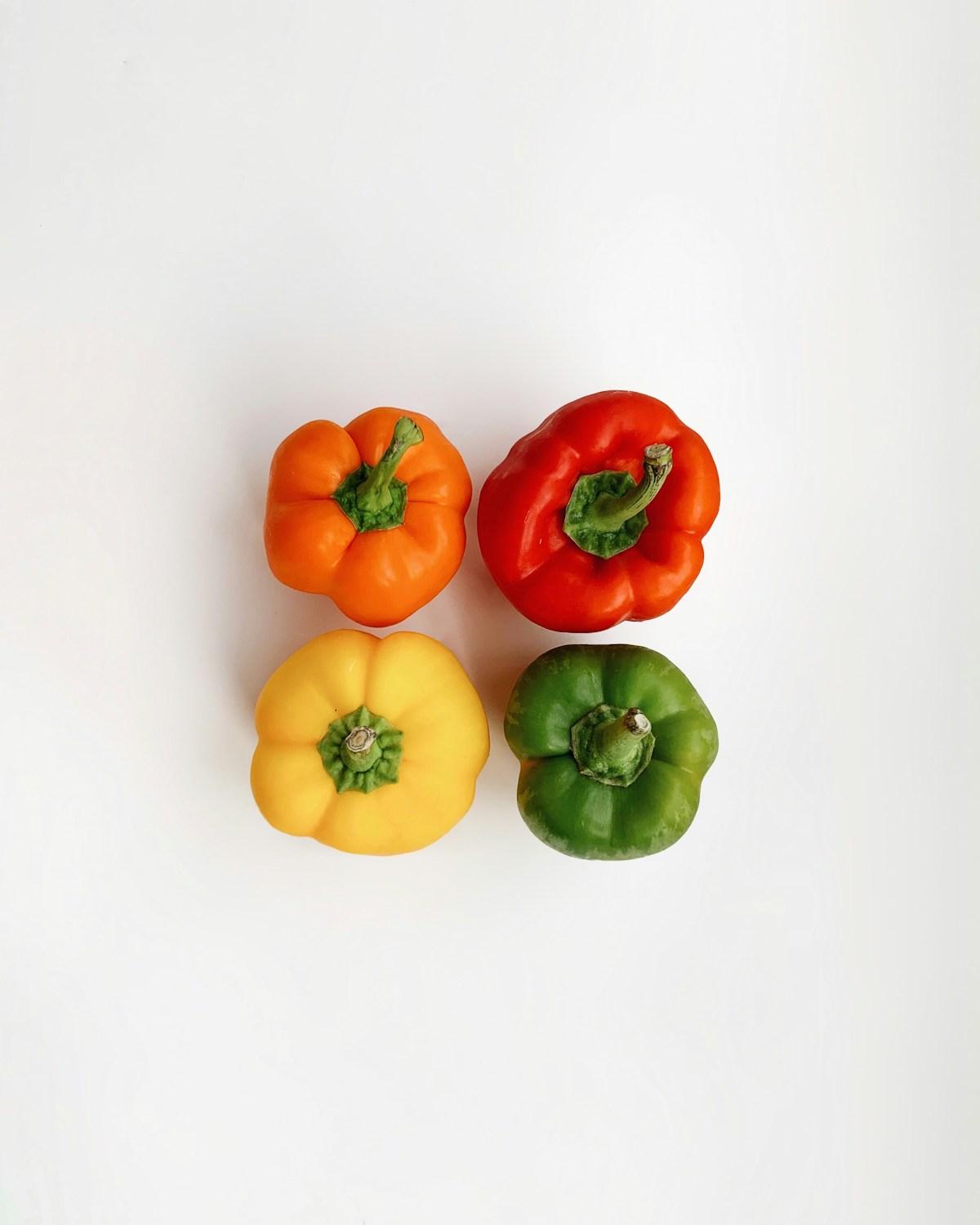
Peppers are among the most satisfying vegetables to grow at home. From mild, thick-walled bell peppers that anchor summer salads and stir-fries to scorching superhot varieties that deliver an unforgettable culinary experience, the pepper family offers something for every palate and every garden. A single healthy pepper plant can produce 5 to 10 pounds of fruit over a growing season, making a small planting incredibly productive.
What makes peppers especially appealing for home gardeners is their versatility. They thrive in garden beds, raised beds, and containers alike. They are relatively pest-resistant compared to many vegetables, tolerate heat that wilts other crops, and respond generously to good care with increasingly heavy harvests as the season progresses. Whether you have acres of garden space or a single sunny balcony, peppers deserve a place in your growing plan.
This guide takes you from seed to harvest with detailed instructions for both sweet and hot pepper varieties, covering starting seeds indoors, transplanting, in-season care, common problems, and harvesting techniques that maximize your yield.
Key Takeaways
- Start pepper seeds indoors 8 to 10 weeks before your last frost date — peppers need a long, warm growing season that most climates cannot provide from direct sowing
- Peppers are heat lovers — do not transplant outdoors until nighttime temperatures consistently exceed 55 degrees Fahrenheit and soil has warmed to at least 65 degrees
- Sweet peppers take 60 to 90 days from transplant to harvest; hot peppers take 70 to 120 days depending on variety
- Harvesting peppers frequently when they reach full size (even while still green) stimulates the plant to produce more fruit throughout the season
- Container-grown peppers often outperform garden-grown ones because pots provide the warm root zone temperatures that peppers crave
Choosing Pepper Varieties
Sweet Peppers
Bell peppers are the most popular sweet variety. All bell peppers start green and ripen to their final color — red, yellow, orange, or even chocolate brown — over 2 to 3 additional weeks. Fully ripe bells are sweeter, more nutritious, and more flavorful than green (immature) peppers, but letting them ripen fully reduces total yield since the plant invests more energy per fruit.
Top bell pepper varieties for home gardens include California Wonder (classic, reliable, thick-walled red bell, 75 days), King Arthur (early, large, disease-resistant red bell, 72 days), and Golden California Wonder (beautiful golden-yellow, sweet, 72 days).
Specialty sweet peppers often outperform bells in home gardens because they are smaller, ripen faster, and produce more prolifically. Lunchbox (snack-size, incredibly sweet, comes in red, yellow, and orange, 75 days), Shishito (thin-walled Japanese variety, mild with occasional spicy surprise, 60 days), Jimmy Nardello (Italian frying pepper, sweet when roasted, 80 days), and Banana Pepper (mild, versatile for salads and pickling, 70 days) are all excellent choices.
Hot Peppers
Hot peppers are measured in Scoville Heat Units (SHU), a scale that ranges from 0 (bell pepper) to over 2 million (Carolina Reaper). Understanding where a variety falls on this scale helps you choose peppers that match your heat tolerance.
Mild heat (1,000 to 8,000 SHU): Anaheim (great for stuffing and roasting), Poblano (essential for chiles rellenos, rich flavor), Hungarian Wax (good for pickling).
Medium heat (8,000 to 50,000 SHU): Jalapeño (the versatile workhorse, 25,000 to 50,000 SHU), Serrano (hotter and thinner than jalapeño, excellent fresh), Cayenne (thin-walled, perfect for drying and grinding into spice).
High heat (100,000 to 350,000 SHU): Habanero (fruity flavor beneath intense heat, essential for Caribbean cooking), Scotch Bonnet (similar heat to habanero, distinctive flavor), Thai Bird’s Eye (small, potent, prolific producer).
Superhot (1,000,000+ SHU): Carolina Reaper (world record holder, 1.6 million SHU average), Ghost Pepper (Bhut Jolokia, about 1 million SHU), Trinidad Scorpion (1.2 million SHU). These require careful handling — wear gloves when harvesting and processing. Superhots need the longest growing season (100 to 120 days) and the most consistent heat.
Starting Peppers From Seed
Timing
Peppers have one of the longest seed-to-harvest timelines of any common garden vegetable. Start seeds indoors 8 to 10 weeks before your last expected frost date. For most of the United States, this means starting seeds in February or March. Superhot varieties benefit from an even earlier start — 10 to 12 weeks before last frost — because they germinate slowly and grow more slowly in early stages.
Germination
Pepper seeds require warm soil temperatures for reliable germination — 80 to 85 degrees Fahrenheit is optimal. At room temperature (68 to 72 degrees), germination is slow and erratic. A seedling heat mat placed under seed trays dramatically improves germination speed and uniformity.
Plant seeds a quarter inch deep in moist seed-starting mix. Cover trays with clear plastic wrap or humidity domes to maintain moisture until seedlings emerge. Sweet peppers typically germinate in 7 to 14 days at optimal temperatures. Hot peppers take 14 to 21 days. Superhots can take 21 to 35 days — patience is essential.
Once seedlings emerge, remove the humidity cover and provide 14 to 16 hours of bright light daily. A grow light positioned 2 to 4 inches above seedlings produces stocky, strong transplants. Seedlings grown on windowsills tend to become leggy from insufficient light intensity. If you are starting seeds indoors for the first time, our seed starting guide covers the complete setup.
Potting Up
When seedlings develop their first set of true leaves (the second pair that appears, which looks different from the initial seed leaves), transplant them into individual 3 to 4-inch pots filled with quality potting mix. This gives each seedling room to develop a strong root system before moving outdoors. Handle seedlings by their leaves, never by the fragile stem. Bury the stem slightly deeper than it was growing — like tomatoes, pepper stems develop adventitious roots when buried, creating a stronger root system.
Transplanting Outdoors
Hardening Off
The transition from indoor comfort to outdoor conditions is critical. Begin hardening off seedlings 7 to 10 days before your planned transplant date. Start by placing seedlings outdoors in a sheltered, shaded location for 2 to 3 hours on the first day. Gradually increase outdoor time and sun exposure over the week. By day 7 to 10, seedlings should tolerate full sun and outdoor temperatures for the entire day.
Do not skip this step. Seedlings moved directly from indoors to full outdoor conditions suffer sunburn, wind damage, and temperature shock that sets them back by weeks or kills them outright.
When to Transplant
Peppers are more cold-sensitive than tomatoes. Wait until nighttime temperatures consistently stay above 55 degrees Fahrenheit and soil temperature has reached at least 65 degrees. Planting in cold soil stresses peppers severely — they may survive but often stunt permanently, producing significantly less fruit than properly timed transplants.
In most regions, this means transplanting 2 to 3 weeks after the last frost date — later than many gardeners expect. Using black plastic mulch or landscape fabric to pre-warm soil before transplanting allows earlier planting. Walls of Water or similar season-extension products protect transplants from unexpected cool snaps.
Spacing and Planting
Space pepper plants 18 to 24 inches apart in rows 24 to 36 inches apart. In raised beds, 18-inch spacing in a grid pattern works well. For container growing, use one pepper per 5-gallon pot or two per 10-gallon container.
Plant transplants at the same depth they were growing in their pots (or slightly deeper). Water thoroughly at planting. Apply 2 to 3 inches of organic mulch (straw, chopped leaves, grass clippings) around plants once soil has warmed, leaving a 2-inch gap around the stem. Mulching conserves moisture, regulates soil temperature, and suppresses weeds that compete for nutrients.
Growing Season Care
Watering
Peppers need consistent moisture — about 1 to 2 inches of water per week from rainfall and supplemental irrigation. Inconsistent watering causes blossom end rot (a dark, sunken spot on the bottom of fruits), blossom drop, and reduced yields. Drip irrigation or soaker hoses deliver water directly to the root zone while keeping foliage dry, reducing disease pressure.
Water deeply and less frequently rather than lightly every day. Deep watering encourages roots to grow downward, creating a more drought-resistant plant. Container peppers need more frequent watering — check daily in summer heat and water when the top inch of soil is dry.
Fertilizing
Peppers are moderate feeders. Apply a balanced organic fertilizer at planting time. Once the first fruits begin to set, switch to a low-nitrogen, higher-phosphorus and potassium fertilizer to promote fruit development over excessive leaf growth. Too much nitrogen produces lush, leafy plants with fewer peppers.
Feed every 2 to 3 weeks with liquid fertilizer, or use a slow-release granular fertilizer applied every 6 to 8 weeks. If leaves turn yellow during the growing season, increase feeding frequency — but first check that watering is consistent, as our yellow leaves guide explains, nutrient issues and watering issues can look similar.
Supporting Plants
Most pepper plants benefit from staking or caging, especially when heavily loaded with fruit. A simple bamboo stake with soft ties, a small tomato cage, or a Florida weave string system keeps branches from snapping under the weight of ripening peppers. Container-grown peppers in exposed locations are particularly vulnerable to wind damage when fruit-laden.
Managing Heat and Cold
Despite being heat-loving plants, peppers suffer in extreme heat. When temperatures exceed 90 degrees Fahrenheit, many varieties drop their blossoms without setting fruit — a condition called blossom drop. Shade cloth (30 to 50 percent shade) during heat waves protects flowers and allows fruit set to continue. Once temperatures moderate, fruit production resumes normally.
At the other extreme, cold temperatures below 55 degrees Fahrenheit cause similar blossom drop and slow growth. In short-season climates, season extension techniques like row cover or walls of water protect plants during early and late-season cool spells.
Common Pepper Problems
Blossom end rot: Dark, sunken spots on the bottom of fruits caused by calcium deficiency — which is usually triggered by inconsistent watering rather than lack of calcium in the soil. Maintain even moisture to prevent it.
Blossom drop: Flowers fall off without setting fruit. Caused by temperatures above 90 or below 55 degrees, inconsistent watering, or excessive nitrogen fertilization. Usually self-correcting when conditions improve.
Aphids: The most common pepper pest. Small green, black, or white soft-bodied insects clustering on new growth and leaf undersides. Knock off with a strong water spray. For persistent infestations, see our aphid control guide. Neem oil spray provides effective organic treatment — details in our neem oil guide.
Sunscald: White or tan papery patches on fruit facing direct afternoon sun. Maintain adequate leaf canopy (do not over-prune) to shade fruit. Sunscald is cosmetic — affected areas can be cut away and the rest of the pepper eaten.
Slow or no ripening: Peppers need warmth and time to ripen from green to their final color. Green peppers are simply immature. Red, yellow, or orange coloring develops 2 to 3 weeks after the pepper reaches full size. Patience and warm temperatures are the only remedies.
Harvesting Peppers
When to Pick
You can harvest peppers at any stage of maturity — green peppers are simply less ripe versions of whatever color the variety eventually becomes. However, fully ripe peppers have significantly more flavor, sweetness (for sweet varieties), heat (for hot varieties), and nutritional content than green ones. A red bell pepper contains three times more vitamin C than a green bell.
The trade-off is production volume. Harvesting peppers at the green stage frees the plant to set new fruit sooner, increasing total yield. Leaving peppers to fully ripen means fewer total peppers but each one is substantially more flavorful. Most gardeners find a balance — harvesting some early and letting others ripen fully.
How to Harvest
Use sharp scissors or pruners to cut peppers from the plant, leaving a short stub of stem attached. Never pull peppers off by hand — this often tears branches and damages the plant, reducing future production. Cut in the morning when peppers are crisp and hydrated.
When handling hot peppers (especially habaneros and superhots), wear gloves. Capsaicin oils transfer to skin and persist through multiple hand washings, causing burning sensations if you touch your face, eyes, or other sensitive areas hours later. Dedicated pepper-harvesting gloves are a worthwhile investment for hot pepper growers.
Preserving Your Pepper Harvest
Fresh storage: Unwashed peppers keep 1 to 2 weeks in the refrigerator vegetable drawer. Do not wash until ready to use — moisture promotes mold.
Freezing: The simplest preservation method. Dice or slice peppers, spread on a baking sheet to freeze individually, then transfer to freezer bags. Frozen peppers are excellent for cooking (texture softens, so they are best in cooked dishes rather than raw applications). No blanching needed.
Drying: Thin-walled hot peppers (cayenne, Thai, de arbol) dry easily strung on thread or in a food dehydrator. Dried peppers store for 1 to 2 years and can be ground into custom spice blends. Thick-walled peppers (bell, jalapeño) require a dehydrator for reliable drying.
Pickling: Quick refrigerator pickles (sliced peppers in heated vinegar, sugar, and salt brine) keep for 2 to 3 months. Fermented hot sauce from fresh peppers produces complex, living-culture sauces that improve over months.
Frequently Asked Questions
Why are my pepper plants flowering but not producing fruit?
Most commonly caused by extreme temperatures — above 90 or below 55 degrees Fahrenheit — which cause blossom drop. Other causes include insufficient pollination (tap flowering branches gently to distribute pollen), excessive nitrogen (switch to lower-nitrogen fertilizer), and inconsistent watering. Conditions usually self-correct as temperatures moderate.
Can I save seeds from my peppers for next year?
Yes, from open-pollinated or heirloom varieties. Hybrid pepper seeds (F1 varieties) may not come true from saved seed. Allow a few peppers to fully ripen on the plant, then remove seeds, spread on a paper plate, and dry for 1 to 2 weeks. Store in a cool, dry place in paper envelopes. Note that different pepper varieties cross-pollinate easily — if growing multiple varieties close together, saved seeds may produce unexpected crosses.
Are pepper plants perennials?
Peppers are technically tropical perennials that are grown as annuals in temperate climates. In frost-free areas (zone 10 and above), pepper plants can survive multiple years and become productive shrubs. In colder climates, you can overwinter favorite plants by bringing containers indoors before frost, cutting the plant back by half, and providing bright light. The overwintered plant produces earlier and heavier the following season.
How hot will my peppers actually be?
Heat level varies within a single variety based on growing conditions. Peppers grown under moderate water stress (slightly less water than optimal), high sun exposure, and warm temperatures tend to be hotter. Well-watered peppers in cooler conditions produce milder fruit. Two jalapeños from the same plant can differ noticeably in heat level.
What is the easiest pepper to grow for beginners?
Shishito peppers are arguably the easiest — they produce prolifically, mature quickly (60 days), tolerate slight imperfections in care, and have delicious mild flavor with an exciting occasional spicy surprise. Among hot peppers, jalapeños are the most forgiving and productive. Among sweet peppers, Lunchbox or Sweet Banana types outperform bells for beginners because they ripen faster and produce more abundantly.