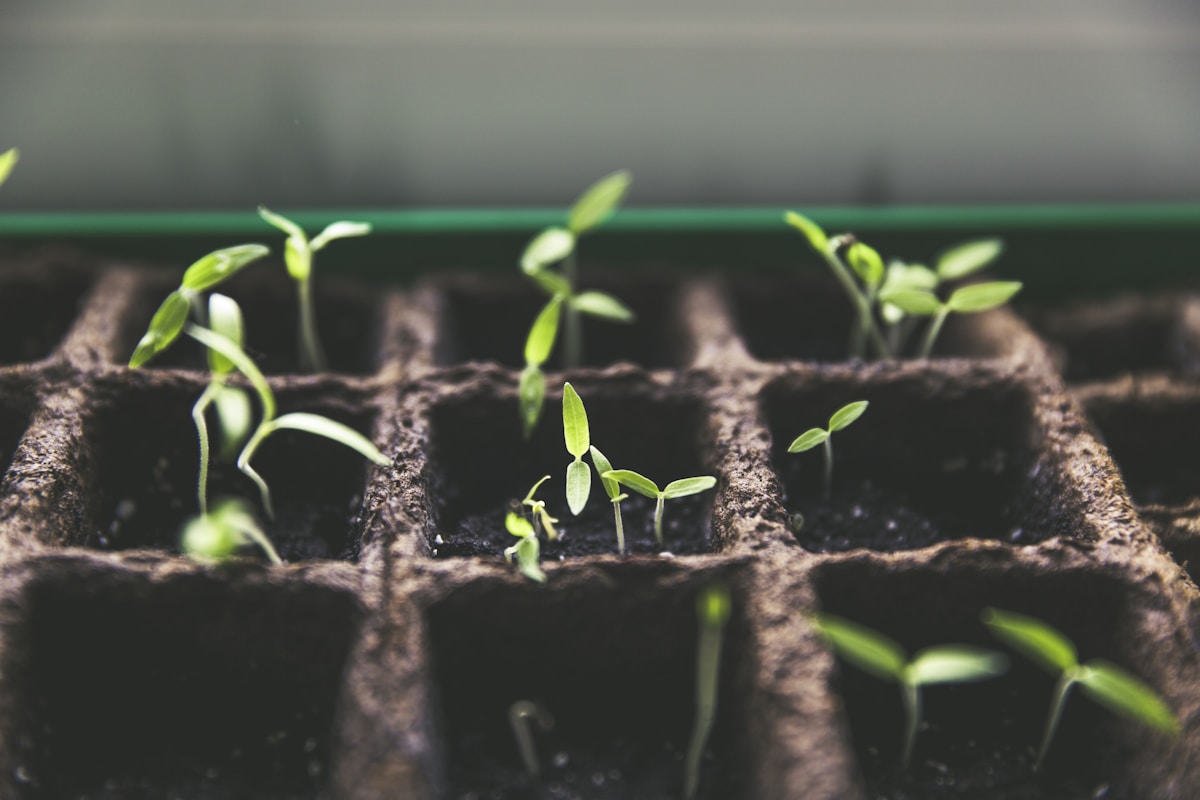
Fresh herbs from your own kitchen garden in January—that’s the promise of an indoor herb garden with grow lights, and it’s a promise that’s entirely deliverable. While windowsill herb gardens struggle through winter’s short days and weak light, a grow light setup provides the consistent, adequate light that herbs need to produce flavorful foliage year-round regardless of what’s happening outside.
The technology has reached a tipping point of affordability. LED grow lights that produce excellent results now cost $25-60, use minimal electricity, and last for years. Combined with a few pots, good soil, and basic care, a complete indoor herb garden costs less than three months of buying fresh herbs from the grocery store.
Key Takeaways
- LED grow lights providing 12-16 hours daily are essential for productive indoor herbs outside of south-facing windows in summer
- Full-spectrum LED panels or bars in the 3000-6500K range produce the best herb growth and flavor development
- Position lights 6-12 inches above herb tops for optimal intensity without heat stress
- Best indoor herbs: basil, parsley, chives, mint, cilantro, thyme, and oregano
- Total setup cost: $50-120 for a complete system producing herbs for years
Understanding Light for Herbs
Why Window Light Often Isn’t Enough
Most culinary herbs need 6-8 hours of direct sunlight equivalent daily—conditions met by south-facing windows in summer but rarely in winter when day length shrinks and sun angle drops. Our small space herb garden guide covers windowsill growing for summer months. For year-round production, supplemental lighting is the key.
What Herbs Need From Light
Intensity: 2,000-4,000 lux at the leaf surface. A quality LED grow light at 6-12 inches distance provides 3,000-8,000 lux consistently.
Duration: 12-16 hours daily. A timer is essential for consistent photoperiods. Herbs don’t benefit from 24-hour lighting—set your timer for 14-16 hours on, 8-10 hours off.
Spectrum: Full-spectrum light (3000-6500K) produces the best results, combining blue light (promotes leafy, compact growth) and red light (drives photosynthesis).
Choosing the Right Grow Light
LED Panel Lights
Flat panels provide the most even coverage for multiple pots. A single 12×12-inch panel covers a 2×2-foot area—enough for 6-12 herb pots. Look for 20-45 actual watts with full spectrum output, adjustable height, and timer function.
LED Light Bars/Strips
Tube-style LED bars work well under shelves and cabinets. A 24-inch bar illuminates a standard windowsill. Multiple bars can be linked for wider coverage. Most space-efficient for kitchen counter setups.
Avoid These Mistakes
Cheap “blurple” lights: Purple-tinted panels with only red and blue diodes are outdated. Full-spectrum white LEDs outperform them for herb growth and produce more pleasant room lighting.
Lights too far from plants: Light intensity drops dramatically with distance. A light at 24 inches provides only 25% of the intensity at 12 inches. Keep lights 6-12 inches above herb tops.
No timer: Inconsistent light schedules hurt herb performance measurably. A $7 outlet timer is one of the most important purchases.
Best Herbs for Indoor Growing
Tier 1: Easiest and Most Productive
Basil — Indoor herb garden star. Thrives under lights with warmth (65-80°F) and consistent moisture. Harvest by pinching stem tips to encourage bushy branching. Start from seed (germinates in 5-10 days) or buy transplants.
Chives — Nearly indestructible. Tolerates lower light than most herbs. Snip leaves to 2 inches; they regrow repeatedly. One pot produces enough for daily cooking.
Mint — Aggressively productive. Give it its own pot (aggressive roots overwhelm companions). Spearmint and peppermint both excel indoors.
Parsley — Both flat-leaf and curly varieties grow well under lights. Slow to germinate from seed (2-3 weeks), so buy a transplant for immediate production.
Tier 2: Slightly More Demanding
Cilantro — Bolts quickly in warmth. Success: grow cool (60-70°F), harvest aggressively, succession plant every 3 weeks.
Thyme — Compact, slow-growing, drought-tolerant. Needs excellent drainage; add extra perlite.
Oregano — Similar to thyme. Benefits from regular trimming. Greek oregano has strongest flavor.
Tier 3: Challenging but Rewarding
Rosemary — Most difficult common herb indoors. Requires excellent drainage, cool temperatures (55-65°F), and good air circulation. Many die from overwatering in warm rooms.
Dill — Grows tall (12-24 inches), needs more light, requires a deeper pot (8+ inches) for its taproot.
Setup Guide: Building Your Indoor Herb Garden
Equipment List
- LED grow light panel or bar (20-45W actual) — $25-60
- Outlet timer — $7-15
- 4-6 pots (4-6 inch diameter) with drainage holes — $10-20
- Drainage trays — $5-10
- Quality potting mix — $8-15
- Herb plants or seeds — $10-25
Total startup cost: $65-145
Step-by-Step Setup
Step 1: Choose your location—kitchen counter, shelf, or any surface near an outlet with ventilation.
Step 2: Mount grow light 10-12 inches above pot tops. Connect to timer set for 14-16 hours on.
Step 3: Fill pots with pre-moistened potting mix. For Mediterranean herbs (rosemary, thyme, oregano), add 25% extra perlite.
Step 4: Plant herbs—transplant nursery plants at same depth, or sow seeds per packet directions.
Step 5: Place under lights and begin regular care. Harvest once established (3-4 weeks for transplants, 6-8 weeks from seed).
Ongoing Care
Watering: Two-group system: moisture-loving herbs (basil, parsley, cilantro, chives, mint)—water when top half inch dries. Mediterranean herbs (rosemary, thyme, oregano)—let top inch or more dry between waterings.
Feeding: Half-strength liquid organic fertilizer every 2 weeks during active growth. Over-fertilizing produces bland growth—less is more for flavor.
Harvesting: Regular harvesting keeps herbs compact and productive. Never remove more than one-third at once. Pinch off flower buds to maintain leaf production.
Air circulation: A small fan on low strengthens stems, reduces fungal disease risk, and discourages fungus gnats.
Frequently Asked Questions
How much does it cost to run a grow light?
A 30-watt LED panel running 14 hours/day costs approximately $1.50-3.00 per month in electricity. LED grow lights are remarkably energy-efficient.
Can I grow herbs with just a regular desk lamp?
Standard desk lamps don’t provide the right spectrum or intensity. A dedicated grow light ($25-60) makes the difference between struggling plants and thriving ones.
How long do indoor herbs last?
Annual herbs (basil, cilantro, dill) produce for 3-6 months. Succession plant replacements every 2-3 months. Perennial herbs (mint, chives, thyme, rosemary, oregano) live indefinitely with proper care.
Why does my indoor basil keep dying?
Three common killers: insufficient light (needs 12-16 hours), cold temperature (suffers below 60°F), and overwatering. Under a grow light with warmth and careful watering, basil thrives.
Can I start herbs from grocery store cuttings?
Yes—basil, mint, and rosemary root readily from stem cuttings in water. Cut 4-6 inch stems below a leaf node, remove lower leaves, place in a glass of water. Roots appear in 1-3 weeks. Transplant once roots are 2+ inches. The cheapest way to start an indoor herb garden.