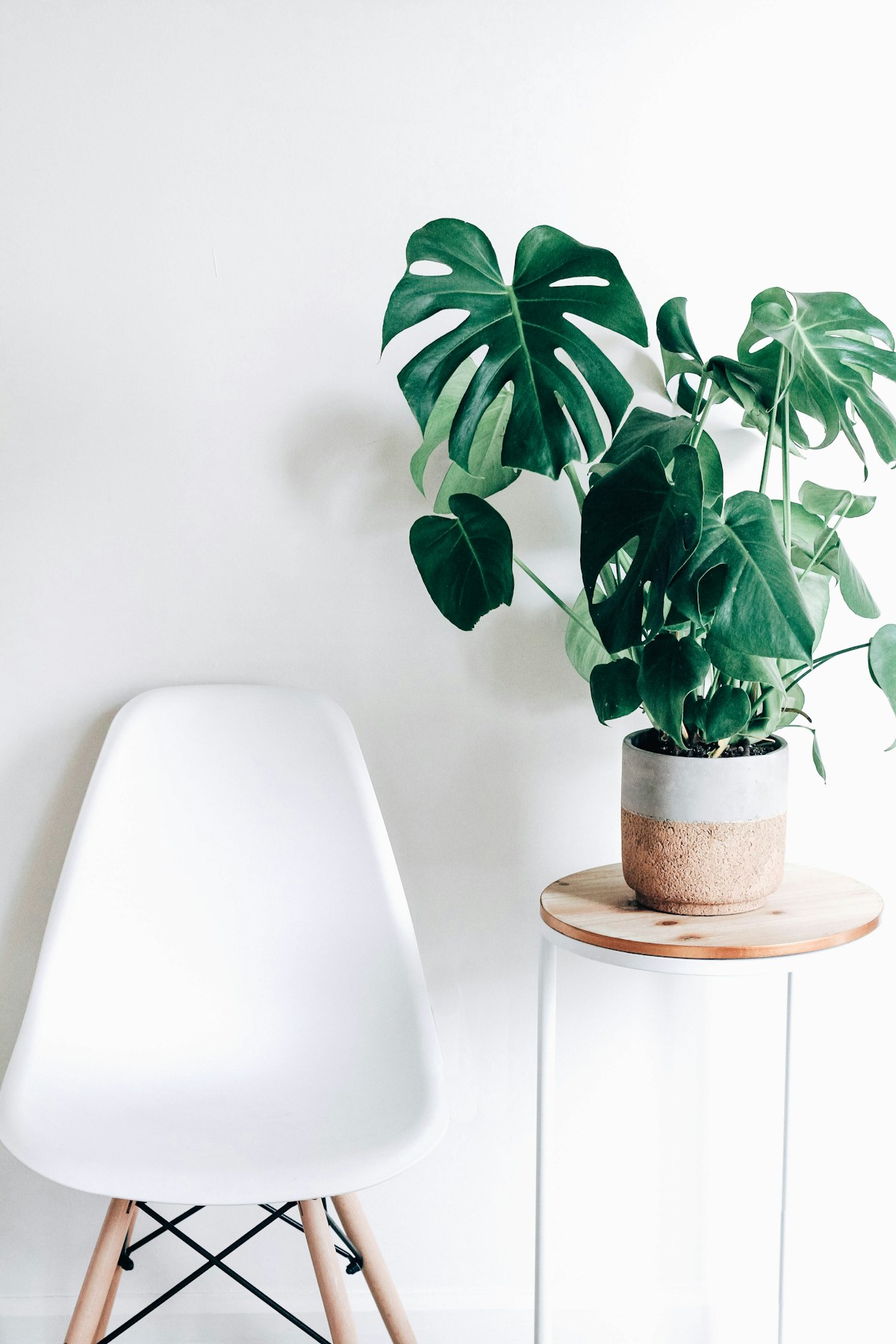
In 1989, NASA published the Clean Air Study, a groundbreaking piece of research that examined the ability of common houseplants to remove volatile organic compounds from indoor air. The study was originally designed to find ways to purify air in sealed space station environments, but its findings sparked a worldwide interest in using houseplants to improve indoor air quality at home and in offices.
The NASA research tested plants against three specific indoor pollutants: benzene (found in plastics, synthetic fibers, detergents, and tobacco smoke), formaldehyde (released from pressed wood products, insulation, paper products, and cleaning agents), and trichloroethylene (found in adhesives, paint removers, and dry-cleaning chemicals). The results showed that certain plants were remarkably effective at absorbing these compounds through their leaves and roots, with some species removing up to 90 percent of specific pollutants within 24 hours in sealed test chambers.
While the real-world impact of houseplants on air quality in a normal home is more modest than sealed laboratory conditions suggest, the research identified plants that genuinely do filter toxins, and growing them offers a host of additional benefits including reduced stress, improved humidity, enhanced mood, and a more pleasant living environment. This guide covers the top-performing plants from the NASA study along with modern research updates and practical care instructions.
Key Takeaways
- NASA tested over 50 plant species and identified specific champions for removing benzene, formaldehyde, and trichloroethylene from sealed environments
- In real-world conditions, you would need a large number of plants (roughly one per 100 square feet) to measurably affect air quality — but even a few provide benefits
- The top performers include peace lily, snake plant, English ivy, spider plant, and several dracaena species — all easy-care houseplants
- Plant roots and soil microorganisms contribute as much to air purification as leaves do, making healthy root systems essential
- Beyond air filtering, houseplants provide proven psychological benefits including stress reduction, improved concentration, and better mood
Understanding the NASA Clean Air Study
How Plants Clean Air
Plants remove air pollutants through two primary mechanisms. First, leaves absorb gaseous pollutants through their stomata — the tiny pores that plants use for gas exchange during photosynthesis. The pollutants are then transported to the roots where soil microorganisms break them down into harmless byproducts that the plant can use as food.
Second, the soil and root zone act as a biological filter. Microorganisms living in the potting mix around plant roots metabolize organic chemicals that are drawn into the soil through air circulation. This is why the NASA study found that plants in larger pots with more exposed soil surface area outperformed the same species in smaller containers — more soil means more microbial activity and more filtration capacity.
Real-World Expectations
It is important to set realistic expectations. The NASA study tested plants in sealed 12-cubic-foot chambers — conditions vastly different from a typical room with natural ventilation, HVAC systems, and continuous introduction of new pollutants. A widely cited 2019 analysis published in the Journal of Exposure Science and Environmental Epidemiology concluded that you would need approximately 10 to 100 plants per square meter of floor space to match the air cleaning rate of a typical building ventilation system.
This does not mean houseplants are useless for air quality. They do remove pollutants — just at a modest rate in normal conditions. The practical approach is to enjoy the proven psychological, aesthetic, and humidity benefits of houseplants while appreciating whatever air-purifying effect they provide as a bonus rather than a primary function.
Top 15 Air-Purifying Houseplants from NASA Research
1. Peace Lily (Spathiphyllum)
The peace lily was the top overall performer in the NASA study, effectively removing all three tested pollutants — benzene, formaldehyde, and trichloroethylene. It was one of the few plants that tackled all three compounds at high rates, making it the single most versatile air-purifying houseplant identified.
Peace lilies are also among the easiest houseplants to grow. They tolerate low to moderate indirect light (though they bloom more in brighter conditions), prefer consistently moist soil, and dramatically wilt when thirsty — then bounce back within hours of watering. This visible watering signal makes them virtually foolproof. They typically grow 1 to 4 feet tall and produce elegant white spathe flowers several times per year.
Care: Low to bright indirect light. Water when the top inch of soil dries. Average humidity is fine, but they appreciate occasional misting. Feed monthly during spring and summer with half-strength liquid fertilizer. Note: Peace lilies contain calcium oxalate crystals and are mildly toxic to cats and dogs. See our pet-safe houseplants guide for non-toxic alternatives.
2. Snake Plant (Sansevieria trifasciata)
The snake plant, also known as mother-in-law’s tongue, stood out in the NASA study for its ability to filter formaldehyde — a particularly common indoor pollutant released by cleaning products, tissue paper, personal care products, and pressed-wood furniture. Uniquely among houseplants, snake plants continue to convert carbon dioxide to oxygen at night through a process called crassulacean acid metabolism (CAM), making them excellent bedroom plants.
Snake plants are legendary for their tolerance of neglect. They survive in almost any light condition from bright direct sun to dim corners, need watering only every 2 to 4 weeks, and tolerate dry air, temperature fluctuations, and irregular attention. Their stiff, upright, sword-shaped leaves with distinctive banding patterns make them architecturally striking in modern interiors.
Care: Any light level from low to bright direct sun. Let soil dry completely between waterings — they are far more likely to die from overwatering than underwatering. Feed once or twice during the growing season. Extremely drought tolerant. For detailed watering guidance, see our houseplant watering schedule.
3. English Ivy (Hedera helix)
English ivy was the most effective plant tested against benzene, removing 90 percent of the compound within 24 hours in laboratory conditions. It also performed well against formaldehyde and trichloroethylene. Beyond chemical filtration, studies have shown English ivy may reduce airborne mold — a particularly relevant benefit for allergy sufferers.
Care: Bright indirect light to moderate light. Keep soil evenly moist but not waterlogged. Prefers cooler temperatures (50 to 70 degrees Fahrenheit) and moderate to high humidity. Prone to spider mites in dry, warm conditions — mist regularly or use a pebble tray. Trim regularly to maintain shape. Mildly toxic if ingested.
4. Spider Plant (Chlorophytum comosum)
Spider plants removed 95 percent of formaldehyde from sealed test chambers within 24 hours, making them one of the top performers against this common indoor pollutant. They are also one of the most prolific and forgiving houseplants available, producing cascading “babies” (plantlets) on long runners that can be rooted to create new plants indefinitely.
NASA recommended the spider plant as particularly suitable for offices and homes because of its combined effectiveness, ease of care, and attractive appearance. They look stunning in hanging baskets where their arching leaves and dangling plantlets create a living chandelier effect.
Care: Bright to moderate indirect light. Water when the top inch of soil dries. Tolerates occasional neglect and bounces back from drought easily. Feed monthly during growing season. Brown leaf tips (common) usually indicate fluoride sensitivity — switch to distilled or rainwater. Completely non-toxic to cats and dogs, making them ideal for pet households.
5. Golden Pothos (Epipremnum aureum)
Golden pothos, sometimes called devil’s ivy, was effective against formaldehyde and other VOCs in the NASA study. Its trailing vines and heart-shaped golden-green leaves make it one of the most popular houseplants worldwide, and its extreme hardiness means even complete beginners can keep it alive and thriving.
Care: Adapts to virtually any indoor light level from low to bright indirect. Water when soil feels dry to the touch. Trails beautifully from shelves and hanging baskets, or climbs if given a moss pole. Practically indestructible. Mildly toxic to pets — keep trailing vines out of reach or choose pet-safe alternatives.
6. Bamboo Palm (Chamaedorea seifrizii)
The bamboo palm was a top performer against benzene and trichloroethylene in the NASA study. It also functions as a natural humidifier, transpiring significant amounts of moisture that increases ambient humidity — particularly beneficial during dry winter months when heating systems deplete indoor moisture.
Care: Bright indirect light to partial shade. Keep soil consistently moist during growing season, slightly drier in winter. Prefers higher humidity. Grows 4 to 12 feet tall indoors, making it an excellent floor plant and natural room divider. Non-toxic to pets.
7. Rubber Plant (Ficus elastica)
The rubber plant’s large, glossy, dark green leaves are effective at absorbing formaldehyde. Its broad leaf surface area provides significant filtering capacity relative to the space it occupies. Rubber plants also contribute to indoor humidity through transpiration.
Care: Bright indirect light. Allow top inch of soil to dry between waterings. Wipe leaves with a damp cloth monthly to remove dust that blocks stomata and reduces air-filtering efficiency. Can grow quite large (6 to 10 feet) indoors if given room. Mildly toxic if sap is ingested.
8. Boston Fern (Nephrolepis exaltata)
The Boston fern was the most effective plant tested against formaldehyde and also removed significant amounts of xylene. Its feathery, arching fronds and lush appearance make it a classic houseplant that has been popular since the Victorian era. Boston ferns are also excellent natural humidifiers.
Care: Bright indirect light — no direct sun. Consistently moist soil is essential. High humidity is strongly preferred — bathrooms and kitchens are ideal locations. Mist regularly or use a humidifier. Sheds leaflets if conditions are too dry. Non-toxic to pets, making it a safe choice for all households.
9. Dracaena Species (Multiple Varieties)
Several dracaena species appeared among the top performers in the NASA study. Dracaena marginata (dragon tree) was effective against benzene, formaldehyde, and trichloroethylene. Dracaena deremensis “Janet Craig” excelled at removing trichloroethylene. Dracaena fragrans “Massangeana” (corn plant) was particularly effective against formaldehyde.
Care: Moderate to bright indirect light. Allow top half of soil to dry between waterings — dracaenas are sensitive to overwatering. They are also sensitive to fluoride in tap water, which causes brown leaf tips. Use filtered water if you notice this issue. Most dracaenas grow into elegant, tree-like forms 4 to 6 feet tall.
10. Chinese Evergreen (Aglaonema)
Chinese evergreen was effective against benzene and formaldehyde in NASA testing. Modern cultivars offer stunning patterned foliage in shades of green, silver, pink, and red that brighten even the dimmest corners of a room.
Care: Low to moderate indirect light — one of the best options for darker rooms alongside our other low-light plant recommendations. Water when the top inch dries. Average household humidity is fine. Feed monthly during growing season. Slow-growing and compact, perfect for desks and tabletops.
11-15: Additional Top Performers
Chrysanthemum (Chrysanthemum morifolium) was the top overall performer against benzene and also removed formaldehyde, trichloroethylene, and ammonia. However, it is primarily a temporary indoor plant that does not thrive long-term indoors like tropical houseplants.
Aloe vera was effective against formaldehyde and benzene. Its succulent nature makes it easy to care for in bright locations, and the gel inside its leaves has skin-soothing properties. Water deeply but infrequently, allowing soil to dry thoroughly. Note that while aloe is useful medicinally, it is mildly toxic to pets if ingested.
Weeping fig (Ficus benjamina) effectively filters formaldehyde, xylene, and toluene. It grows into an attractive indoor tree but is notoriously fussy about changes — drops leaves when moved, when light changes, or when temperatures fluctuate.
Philodendron species including heartleaf philodendron were effective formaldehyde absorbers. They are easy, fast-growing trailing or climbing plants similar in care to pothos.
Gerbera daisy (Gerbera jamesonii) was unusually effective at removing benzene and producing oxygen at night. Like chrysanthemums, gerberas are more effective as short-term indoor plants than permanent houseplants, though they can be maintained with bright light and careful watering.
Maximizing Air-Purifying Benefits
Plant Placement Strategy
The NASA study recommended at least one plant per 100 square feet of living space for meaningful air quality impact. Place plants near potential pollution sources — new furniture (formaldehyde), home office equipment (ozone, trichloroethylene), and living areas where cleaning products are used regularly.
Grouping plants together creates a more effective micro-environment than scattering individual plants throughout a large space. A cluster of 3 to 5 plants in the corner of a room creates a concentrated purification zone while also creating a visually impactful display and a beneficial humidity pocket.
Maintaining Filtering Efficiency
Dusty leaves filter air less effectively because blocked stomata cannot absorb gaseous pollutants efficiently. Wipe large-leaved plants (rubber plant, peace lily, dracaena) with a damp cloth every 2 to 4 weeks. Shower smaller-leaved plants under gentle lukewarm water monthly.
Healthy plants filter more effectively than stressed ones. Provide appropriate light, water, and nutrition to keep your plants actively growing and transpiring. A thriving plant processes more air volume than a struggling one clinging to survival. Our repotting guide helps ensure your plants maintain healthy root systems for maximum filtration.
Beyond Air Quality: The Proven Benefits of Houseplants
While the air-purifying impact of a few houseplants in a well-ventilated home may be modest, the psychological and physiological benefits of living with plants are well-documented and significant.
Multiple peer-reviewed studies have demonstrated that indoor plants reduce physiological stress markers including cortisol levels and blood pressure. A 2015 study in the Journal of Physiological Anthropology found that interacting with indoor plants reduced both psychological and physiological stress compared to computer-based tasks. Office environments with plants show measurably higher worker productivity, satisfaction, and reduced sick days.
Plants also increase indoor humidity through transpiration, which benefits respiratory health, skin hydration, and comfort — especially during winter when heated indoor air drops to humidity levels lower than many deserts. A grouping of several plants can noticeably increase the relative humidity of a room.
Frequently Asked Questions
How many plants do I need to purify the air in my home?
The original NASA recommendation was one plant per 100 square feet. However, modern research suggests this provides modest rather than dramatic improvement in a normal ventilated home. The practical advice is to grow as many plants as you enjoy caring for — even a handful provides measurable psychological benefits and some air quality improvement.
Do plants clean air at night?
Most plants close their stomata at night and stop actively filtering air. However, CAM plants including snake plants, aloe vera, and some orchids continue gas exchange at night, making them excellent bedroom choices. All plants resume filtration during daylight hours.
Are air-purifying plants safe for pets?
Several top performers — spider plant, Boston fern, bamboo palm, and areca palm — are completely non-toxic to cats and dogs. Others including peace lily, English ivy, pothos, and snake plant are mildly to moderately toxic if ingested. Our pet-safe houseplants guide provides a comprehensive list of safe species with care instructions.
Which single plant is the best air purifier?
The peace lily is the most versatile single choice, filtering all three major pollutants tested by NASA. If you have pets, the spider plant or Boston fern offers the best combination of air-purifying ability and pet safety.
Do air-purifying plants need special care?
No. The most effective air-purifying plants are largely common, easy-care houseplants. Keep them healthy with appropriate light, water, and occasional feeding, and they will perform their filtering function naturally as part of their normal biological processes.