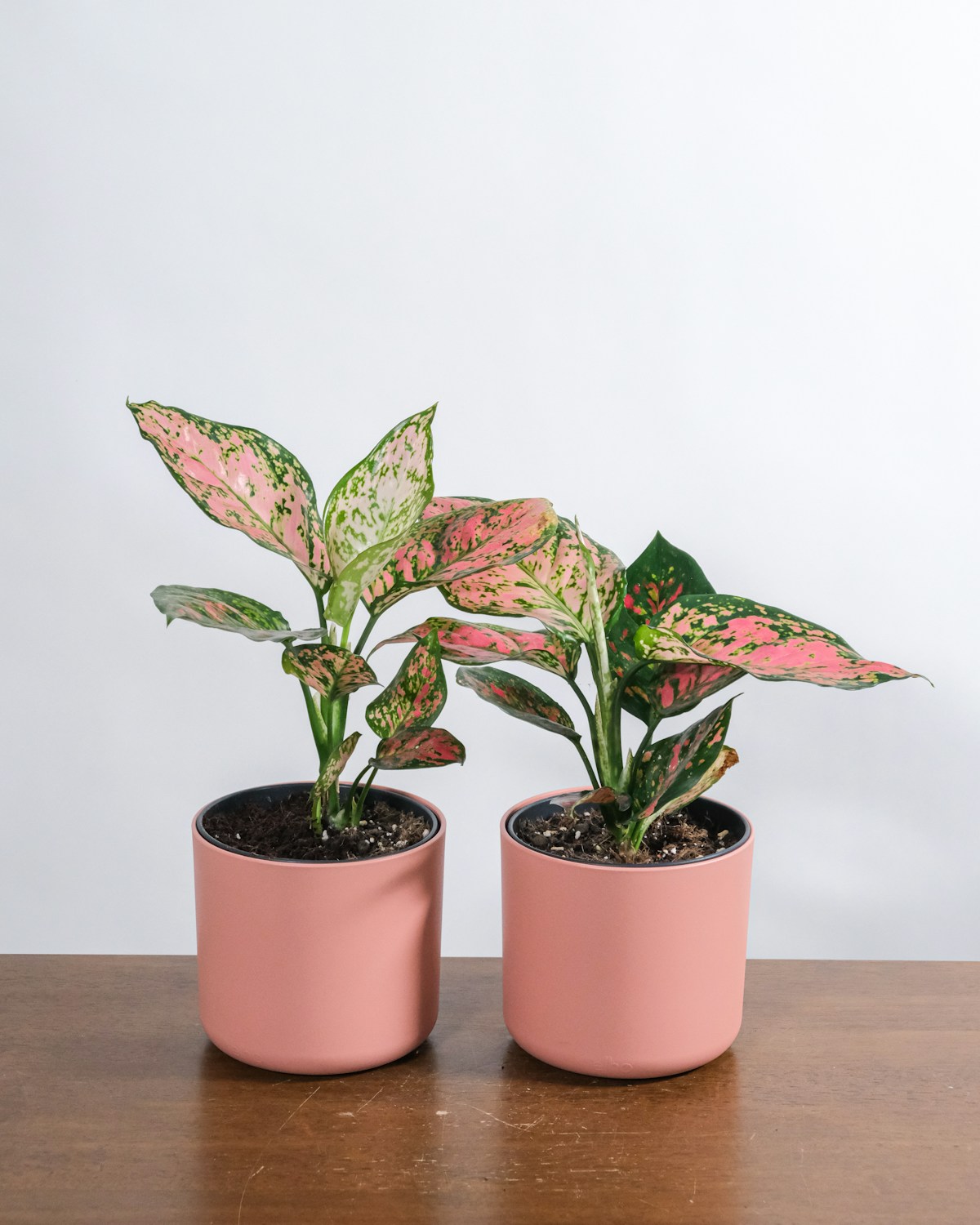
Repotting is one of the most important maintenance tasks for healthy houseplants, yet it is also one of the most anxiety-inducing for beginners. The fear of damaging roots, choosing the wrong pot, or triggering transplant shock keeps many plant owners from repotting until their plants are desperately root-bound and visibly struggling. The good news is that repotting is straightforward when you understand the timing, technique, and aftercare involved.
Most houseplants benefit from repotting every 12 to 24 months, though the timing varies widely by species and growing conditions. Fast growers like pothos and spider plants may need annual upgrades, while slow growers like snake plants and ZZ plants can thrive in the same pot for three years or more. The key is recognizing the signs that your specific plant is ready rather than repotting on a fixed schedule.
This guide walks you through every step of the repotting process, from recognizing when it is time to the critical aftercare that prevents transplant shock and gets your plant thriving in its new home.
Key Takeaways
- Repot when roots circle the pot bottom, grow through drainage holes, or when water runs straight through without soaking in — not on a fixed calendar
- Spring and early summer are ideal repotting times when plants are entering active growth and recover fastest from root disturbance
- Go only one pot size up (1 to 2 inches larger in diameter) — oversized pots hold excess moisture that causes root rot
- Fresh potting mix matters as much as pot size — nutrients deplete over 12 to 18 months even when the pot size is still adequate
- Withhold fertilizer for 4 to 6 weeks after repotting — fresh soil provides nutrients and damaged roots are sensitive to fertilizer burn
Signs Your Houseplant Needs Repotting
Root-Related Signs
The most reliable indicator is root behavior. When roots begin growing out of the drainage holes at the bottom of the pot, the plant has clearly outgrown its container. Similarly, if you gently slide the plant out and see a dense mat of roots circling the bottom or sides with very little visible soil remaining, repotting is overdue.
Another root-related signal is when water rushes straight through the pot and out the bottom without being absorbed. This happens because roots have displaced so much soil that there is nothing left to hold moisture. The plant may wilt between waterings despite seemingly adequate water because the remaining soil cannot retain enough for the root mass. Our houseplant watering guide covers how pot size affects watering frequency in detail.
Growth-Related Signs
Stunted or slowed growth during the active growing season often signals a root-bound plant. If your pothos was pushing out a new leaf every week last spring but now barely produces one per month under the same conditions, cramped roots are a likely culprit. Top-heavy plants that tip over easily have often outgrown their pots — the root mass can no longer anchor the increasingly large foliage above.
Yellowing lower leaves on an otherwise healthy plant sometimes indicate exhausted soil nutrients rather than a watering issue. If you have been fertilizing regularly and leaves still turn yellow, depleted potting mix that has broken down and compacted may be the underlying cause.
Soil-Related Signs
Potting mix degrades over time. After 18 to 24 months, organic components break down, the mix compacts, drainage slows, and nutrient-holding capacity drops. You may notice the soil level has dropped significantly in the pot, the surface develops a hard crust, or a white mineral buildup appears on the soil surface or pot rim. All signal that fresh mix would benefit your plant even if the pot size remains adequate.
When to Repot: Timing Matters
Best Time of Year
Spring through early summer is the optimal repotting window for most houseplants. During this period, plants are entering or in their most active growth phase. Longer days and increasing light levels fuel root regeneration and new growth that helps plants recover quickly from the disturbance of repotting.
Avoid repotting during winter dormancy when most houseplants slow their growth significantly. Disturbing roots during dormancy delays recovery because the plant lacks the energy and growth hormones to generate new roots quickly. Exceptions include emergency situations — if you discover root rot or severe pest infestation, repot immediately regardless of season.
When NOT to Repot
Avoid repotting a plant that is currently flowering. The energy demands of blooming combined with transplant stress can cause flower and bud drop. Wait until flowering finishes. Similarly, do not repot a plant that is already stressed from recent changes like a move to a new location, pest treatment, or significant environmental shift. Let it stabilize first, then address the pot situation.
Newly purchased plants generally do not need immediate repotting despite common advice to the contrary. Most nursery plants are potted in appropriately sized containers with fresh media. Give a new plant 2 to 4 weeks to acclimate to your home conditions before adding repotting stress. The exception is if the plant is severely root-bound with roots pushing through every drainage hole and the soil is completely depleted.
Choosing the Right New Pot
The One-Size-Up Rule
The most important rule of pot selection is deceptively simple: go up only one size. For most houseplants, this means a new pot that is 1 to 2 inches larger in diameter than the current one. A plant in a 6-inch pot moves to an 8-inch pot. A plant in an 8-inch pot moves to a 10-inch pot.
Jumping multiple sizes seems logical — give the plant room to grow and avoid repotting again soon. But oversized pots are one of the most common causes of houseplant death. The excess soil surrounding a small root ball holds moisture that roots cannot access or absorb. This persistently wet zone becomes a breeding ground for root rot fungi and fungus gnats. The plant essentially drowns in moisture it never requested.
Pot Material Considerations
Terracotta (unglazed clay) pots are porous and allow air and moisture to pass through the walls. This breathability promotes healthy root development and helps prevent overwatering by allowing excess moisture to evaporate through the pot sides. Terracotta is ideal for plants that prefer to dry out between waterings — succulents, cacti, snake plants, ZZ plants, and Mediterranean herbs like rosemary.
Plastic and glazed ceramic pots retain moisture longer because their walls are non-porous. This suits moisture-loving plants like ferns, calatheas, peace lilies, and most tropical foliage plants. The moisture retention also means less frequent watering, which benefits busy plant owners. Our pet-safe houseplants guide covers care requirements for many species that thrive in plastic pots.
Regardless of material, every pot must have drainage holes. This is non-negotiable. Without drainage, excess water accumulates at the bottom, creating anaerobic conditions that kill roots. If you love a decorative pot without drainage, use it as a cachepot — place a slightly smaller functional pot with drainage inside the decorative outer pot.
To Reuse or Not to Reuse
Reusing pots is perfectly fine with proper cleaning. Scrub used pots with a stiff brush and a solution of one part white vinegar to four parts water, or one part bleach to nine parts water. Rinse thoroughly and let dry completely before replanting. This removes salt buildup, algae, and potential disease organisms from previous occupants.
Choosing the Right Potting Mix
The soil you use during repotting affects plant health more than most people realize. Never use garden soil, topsoil, or previously used potting mix from outdoor containers. These are too dense for indoor pots, drain poorly, and may harbor pests or diseases.
A high-quality all-purpose indoor potting mix works well for most houseplants. It should feel light and fluffy, contain a mix of peat moss or coconut coir, perlite or vermiculite, and organic matter. Avoid mixes that feel heavy or clump together when squeezed — these will compact in pots and suffocate roots.
Some plants benefit from specialized mixes. Succulents and cacti need fast-draining mix with extra perlite or coarse sand (50:50 standard mix to perlite). Orchids require chunky bark-based media with no soil at all. Aroids like monstera and philodendron appreciate chunky, airy mixes with bark chips, perlite, and charcoal added to standard potting soil. African violets prefer lighter, more acidic mixes with extra peat.
Step-by-Step Repotting Guide
Step 1: Prepare Your Workspace
Lay down newspaper, a plastic sheet, or a large tray to catch spilled soil. Gather everything before you begin: new pot, fresh potting mix, watering can, clean scissors or pruners, and optionally a chopstick or pencil for working soil around roots. Working outdoors or in a bathtub makes cleanup easier for larger plants.
Step 2: Water the Plant 1 to 2 Days Before
Slightly moist soil slides out of pots more easily than bone-dry or soaking-wet soil. Water your plant a day or two before repotting so the root ball holds together but is not waterlogged. This reduces root damage during removal and helps the root ball maintain its structure.
Step 3: Remove the Plant From Its Current Pot
Turn the pot sideways or upside down, supporting the plant stem gently between your fingers at soil level. Tap the pot bottom firmly or squeeze the sides of a plastic pot to loosen the root ball. If it resists, run a butter knife around the inside edge of the pot to separate roots from the wall. Never yank a plant out by the stem — this tears roots and damages the crown.
For severely root-bound plants where the root mass has molded to the pot shape, you may need to sacrifice a cheap plastic pot by cutting it away with scissors. This is far preferable to damaging the root system by forcing the plant out.
Step 4: Inspect and Prepare the Roots
Gently tease apart the outer roots with your fingers, loosening the bottom third of the root ball. This is especially important for root-bound plants where roots have formed a dense mat at the bottom — if left circling, they continue growing in circles rather than spreading into new soil.
Trim any roots that are brown, mushy, or smell bad — these are rotting and will spread decay to healthy tissue. Use clean, sharp scissors and make decisive cuts. Healthy roots are white, cream, or light tan and feel firm. Do not worry about removing some healthy roots during this process — houseplants tolerate moderate root pruning well.
If you discover extensive root rot (more than a third of roots affected), trim all affected roots back to healthy tissue, treat remaining roots with a fungicide or hydrogen peroxide solution (one part 3% hydrogen peroxide to two parts water), and repot into a clean pot with fresh, well-draining mix. Reduce the pot size if necessary — the pot should match the remaining healthy root mass.
Step 5: Add Fresh Mix to the New Pot
Place a layer of fresh potting mix in the bottom of the new pot. The depth should position the plant at the same soil level it was growing at previously — you do not want the stem buried deeper or the root ball sitting higher than before. Burying the stem can cause rot in many species, while planting too high exposes roots to air.
Do not put gravel, rocks, or broken pottery shards in the bottom of the pot. Despite this persistent myth, a gravel layer actually impedes drainage by creating a perched water table. The science is clear: water does not flow freely from fine-textured soil into coarse material below. It creates a saturated zone at the interface that is worse than simply using a well-draining mix throughout the entire pot.
Step 6: Position and Fill
Center the plant in the new pot and fill around the root ball with fresh potting mix. Use your fingers or a chopstick to gently work soil into gaps between roots, eliminating air pockets that dry out fine feeder roots. Press the soil firmly but not tightly — you want it settled and making contact with roots, not compacted into a brick.
Leave about half an inch of space between the soil surface and the pot rim. This headspace allows room for watering without overflow. For larger pots, leave three-quarters to one inch.
Step 7: Water Thoroughly
Give the freshly repotted plant a thorough watering, allowing water to drain completely from the bottom. This settles the soil around roots, eliminates remaining air pockets, and initiates the soil-to-root moisture connection. You may notice the soil level drops after this initial watering — add more mix to bring it back up to the proper level.
Aftercare: Preventing Transplant Shock
The two weeks following repotting are critical. Even carefully repotted plants experience some root disturbance that temporarily reduces their ability to absorb water and nutrients. Proper aftercare during this recovery window makes the difference between a plant that bounces back quickly and one that struggles for months.
Light: Move the plant to slightly lower light than its usual spot for 5 to 7 days. Bright indirect light is ideal for recovery — avoid direct sun that increases transpiration while damaged roots are rebuilding their absorption capacity. After a week, gradually return the plant to its normal position.
Watering: Water when the top inch of soil dries out, but be conservative. Damaged roots absorb less efficiently, so the soil stays moist longer than you might expect. Overwatering during recovery is the primary cause of post-repotting failure. Check the soil before watering rather than following your old schedule.
Fertilizer: Do not fertilize for 4 to 6 weeks after repotting. Fresh potting mix contains sufficient nutrients for this period, and newly disturbed roots are sensitive to fertilizer salts. Applying fertilizer too soon can burn recovering root tips and worsen transplant shock. When you resume feeding, start at half strength.
Humidity: If the plant shows wilting despite moist soil (a classic sign of root damage reducing water uptake), increase humidity around the plant temporarily. Group it with other plants, place it on a pebble tray with water, or run a humidifier nearby. Higher humidity reduces water loss through leaves while roots are recovering.
Expect some leaf loss. It is normal for a repotted plant to drop a few lower or older leaves as it redirects energy toward root recovery. This is not a sign of failure — the plant is prioritizing root regrowth over maintaining foliage it cannot fully support. New growth emerging 2 to 4 weeks after repotting confirms successful recovery.
Special Situations
Repotting Large, Heavy Plants
Plants in 12-inch or larger pots present a physical challenge. Lay the pot on its side and slide the plant out horizontally rather than trying to lift and invert. For extremely heavy plants, enlist a helper. Consider top-dressing instead of full repotting — remove the top 2 to 3 inches of old soil and replace with fresh mix. This refreshes nutrients and improves the soil surface without disturbing roots.
Repotting Plants You Want to Keep Small
Not every repotting requires a bigger pot. To maintain a plant at its current size, remove it from the pot, trim back the outer third of the root ball with clean shears, and replant in the same pot with fresh soil filling the space. This root pruning technique is commonly used in bonsai and works effectively for any houseplant you want to keep compact.
Repotting Rootbound Plants That Cannot Size Up
If your plant is in the largest practical pot size for its location, root pruning combined with fresh soil is your solution. Trim roots as described above, refreshing the soil completely. This can be done annually or biannually to keep plants healthy in their existing containers indefinitely.
Frequently Asked Questions
Should I repot a plant right after buying it?
Generally no. Give new plants 2 to 4 weeks to acclimate to your home before repotting. The exception is if the plant is severely root-bound, sitting in soggy damaged soil, or you discover pests. In those cases, repot promptly but provide extra aftercare since the plant is already stressed from the environment change.
Can repotting kill a plant?
Repotting itself rarely kills plants. What kills them is overwatering after repotting, choosing a pot that is far too large, using inappropriate soil, or repotting at the wrong time of year. Follow the guidelines in this article and your plants will thrive in their new homes.
How do I know if my plant has transplant shock?
Mild transplant shock symptoms include wilting despite moist soil, drooping leaves, and slowed growth for 1 to 2 weeks. These are normal and resolve with proper aftercare. Severe shock includes significant leaf drop, mushy stems, or rapidly yellowing foliage — often caused by root damage or overwatering. Reduce watering, increase humidity, and avoid fertilizer until recovery.
Do I need to put rocks at the bottom of the pot for drainage?
No. This common myth actually impairs drainage by creating a perched water table. Use a well-draining potting mix throughout the entire pot and ensure your pot has adequate drainage holes. The potting mix itself provides all the drainage structure needed.
My plant is root-bound but it is winter — should I wait?
If the plant is struggling significantly — constantly wilting, not absorbing water, or showing nutrient deficiency — go ahead and repot carefully with extra attention to aftercare. If the plant is coping reasonably well, waiting until spring is preferred since recovery will be faster during the active growing season.