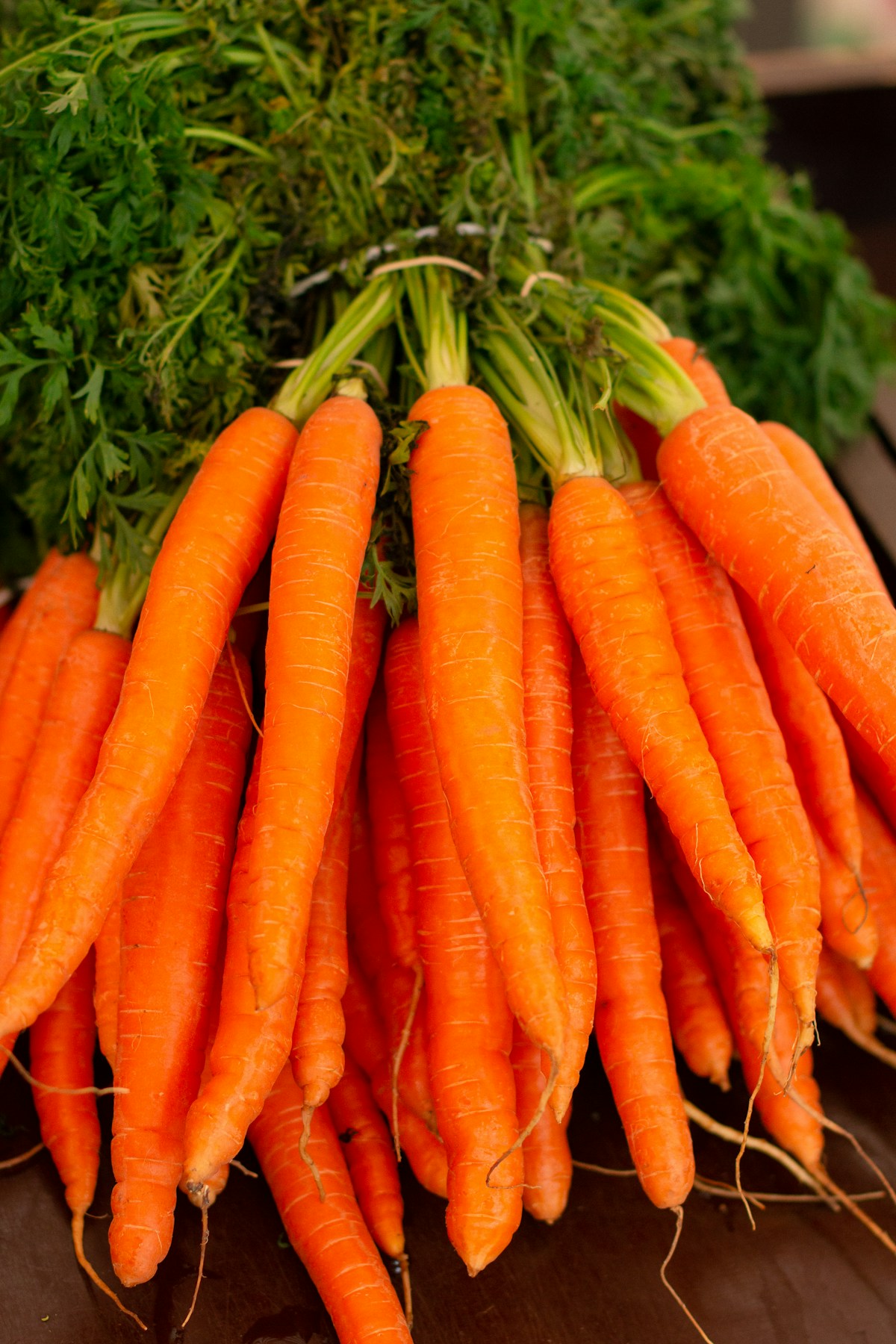
Carrots and raised beds are a perfect match. The loose, rock-free, deeply prepared soil in a raised bed eliminates the obstacles that cause forked, stunted, and misshapen roots in traditional garden soil. Where gardeners in clay or rocky ground struggle with stubby, twisted carrots, raised bed growers consistently produce the long, straight, sweet roots that make homegrown carrots a revelation compared to the grocery store variety.
The flavor difference is the real reason to grow your own carrots. Freshly harvested homegrown carrots — especially those sweetened by fall frost — have an intensity and sweetness that commercially grown carrots, often weeks old by the time they reach your kitchen, simply cannot match. Children who refuse store-bought carrots frequently devour them straight from the garden, unwashed and still warm from the sun.
This guide covers the specific techniques that produce outstanding carrots in raised beds, from soil preparation and seed sowing to the patience-testing thinning process and the satisfying moment when you pull a perfect root from the earth.
Key Takeaways
- Raised beds provide the ideal carrot growing conditions: 12 or more inches of loose, stone-free, well-draining soil that roots penetrate without obstruction
- Carrot seeds are tiny and slow to germinate (10 to 21 days) — keep the seedbed consistently moist during this critical period or germination fails
- Thinning is non-negotiable: crowded carrots produce skinny, forked roots; thin to 2-inch spacing when seedlings are 2 inches tall
- Carrots are a cool-season crop that tastes best when maturing in cool fall weather — summer-sown carrots for fall harvest are often the sweetest of the year
- Avoid fresh manure and high-nitrogen fertilizer in carrot beds, which cause hairy, forked roots with poor flavor
Choosing Carrot Varieties for Raised Beds
Long Varieties (Best for Raised Beds)
Raised beds with at least 12 inches of loose soil depth unlock the full potential of long carrot varieties that struggle in heavy garden soil. Imperator types (the classic long, tapered shape found in stores) grow 8 to 10 inches long and produce the highest yield per square foot. Nantes types (cylindrical, blunt-tipped, 6 to 7 inches) are the gold standard for flavor — sweet, tender, and virtually coreless.
Top varieties for raised beds include Napoli (Nantes type, 7 inches, exceptional sweet flavor, early), Bolero (Nantes type, excellent storage carrot, disease-resistant), Yaya (Nantes type, fast-maturing, sweet and tender), Nelson (Nantes type, reliable early variety, uniform), and Sugarsnax (Imperator type, extra-sweet, high beta-carotene, 9 to 10 inches).
Short and Round Varieties
While raised beds accommodate long varieties beautifully, short varieties remain excellent choices for shallow raised beds (8 to 10 inches deep) or for container growing. Thumbelina (round, 1.5-inch diameter, perfect for containers), Paris Market (round, sweet baby carrots), and Chantenay types (broad-shouldered, 5 to 6 inches, adapts to less-than-ideal soil) all thrive in raised beds and containers.
Colorful Varieties
Beyond the classic orange, carrots come in purple (Cosmic Purple, Purple Haze), yellow (Yellowstone, Solar Yellow), white (Lunar White), and red (Atomic Red). Rainbow mixes combine multiple colors for stunning harvest displays. Colored varieties have identical growing requirements to orange types but add visual excitement to the garden and kitchen.
Soil Preparation
The Ideal Carrot Soil
Carrots are more demanding about soil quality than almost any other vegetable — not because they need rich soil, but because they need loose, unobstructed soil that roots can push through without resistance. Any obstacle a growing root encounters — rock, clay chunk, twig, or dense soil layer — causes the root to fork, split, or twist around the obstruction.
The ideal carrot soil in a raised bed is a light, fluffy mix with high organic matter content, no rocks or debris larger than a pebble, and excellent drainage. A blend of equal parts quality topsoil, compost, and coarse sand or perlite creates outstanding carrot-growing conditions. If your existing raised bed mix is heavy or contains large bark chips, screen the top 12 inches through hardware cloth or deeply work in perlite and compost to improve texture.
What NOT to Add
Avoid fresh manure or uncomposted organic matter in carrot beds. Fresh nitrogen-rich amendments cause carrots to develop hairy, excessively forked roots with poor flavor. Manure should be well-composted (aged at least 6 months) before use in carrot beds. Similarly, avoid high-nitrogen synthetic fertilizers at planting — carrots prefer moderate fertility and actually produce sweeter roots in soil that is not overly rich.
Planting Carrots
When to Plant
Carrots are a cool-season crop that germinates in soil temperatures from 45 to 85 degrees Fahrenheit (optimal 60 to 70 degrees). In most climates, plant carrots in two main windows: early spring (2 to 4 weeks before the last frost date) for summer harvest, and midsummer (10 to 12 weeks before the first fall frost) for fall harvest. Fall-maturing carrots are often sweeter because cooling temperatures trigger the roots to convert starches into sugars — a natural antifreeze response.
For succession planting, sow short rows every 3 weeks from early spring through midsummer. This provides fresh carrots from late spring through winter (fall-sown carrots can be left in the ground and harvested as needed through early winter with mulch protection).
Sowing Seeds
Carrot seeds are tiny — about 2,000 seeds per gram. This makes even spacing during sowing challenging. Several techniques improve distribution. Pelleted carrot seeds are individually coated in clay to increase their size, making precise spacing much easier — they cost more but reduce thinning work. Seed tape, with seeds pre-spaced at proper intervals on dissolvable paper strips, eliminates spacing guesswork entirely.
For bulk seeds, mix them with fine sand (1 part seed to 4 parts sand) to achieve more even distribution. Sow this mixture in shallow furrows a quarter-inch deep, aiming for seeds every half-inch (knowing you will thin later). Cover with a thin layer of fine potting mix or vermiculite rather than garden soil — a light covering allows the tiny seedlings to push through easily.
The Germination Challenge
Carrot seeds are notoriously slow to germinate, taking 10 to 21 days under normal conditions. During this period, the seedbed must stay consistently moist — if the soil surface dries out before germination, the seeds die. This is the most critical phase of carrot growing and where most failures occur.
Strategies for maintaining seedbed moisture include watering gently twice daily with a fine spray (avoid dislodging seeds with a heavy stream), covering the seedbed with a thin layer of burlap, floating row cover, or wooden boards (remove immediately when seedlings appear), and planting radishes alongside carrots as row markers — radishes germinate in 3 to 5 days, marking the row and breaking soil crust for slower carrot seedlings.
Growing Season Care
Thinning: The Essential Step
Thinning is the step most new carrot growers skip or do inadequately, and it directly determines root quality. Crowded carrots compete for space underground, producing thin, twisted, intertwined roots that are frustrating to harvest and disappointing to eat.
Thin when seedlings are 2 to 3 inches tall to a final spacing of 2 inches between plants for standard varieties and 3 inches for larger varieties like Imperator types. This feels brutal — you are removing many healthy seedlings. Do it anyway. The remaining plants will reward your discipline with dramatically larger, straighter, more uniform roots.
Thin by snipping seedlings at soil level with small scissors rather than pulling them out. Pulling can disturb the roots of neighboring plants you want to keep. Water the bed after thinning to resettle soil around remaining plants. Thinning in the evening reduces stress on remaining seedlings.
Watering
After germination, carrots need about 1 inch of water per week from rainfall and supplemental irrigation. Consistent moisture produces smooth, well-formed roots. Irregular watering — especially alternating between very dry and very wet — causes roots to crack, split, or develop corky textures.
Deep, infrequent watering is preferable to light daily sprinkles. Deep watering encourages roots to grow downward searching for moisture, producing longer carrots. Shallow watering keeps roots near the surface. Reduce watering slightly as carrots approach maturity — overly wet soil at harvest causes splitting.
Mulching and Weeding
Apply a thin layer (1 to 2 inches) of fine mulch — straw, shredded leaves, or grass clippings — after seedlings are 3 to 4 inches tall. Mulch conserves moisture, moderates soil temperature, and suppresses weeds. Carrot seedlings are weak competitors against weeds — a weedy carrot bed produces small, poor-quality roots regardless of soil quality.
Weed by hand when weeds are tiny. Carrot roots are near the surface, so avoid deep cultivation that damages developing roots. The old garden saying “weed early, weed often, weed small” is especially true for carrots.
Fertilizing
Carrots need modest fertility. Excessive nitrogen produces lush green tops at the expense of root development and causes hairy, forked roots. A light application of balanced fertilizer (5-10-10 or similar, with more phosphorus and potassium than nitrogen) at planting is typically sufficient if your raised bed soil was properly amended with compost. If growth seems slow, a light side-dressing of compost at mid-season provides gentle nutrition without overwhelming roots with nitrogen.
Hilling
As carrots grow, the top of the root (shoulder) often pushes above the soil surface and turns green from sun exposure. Green carrot shoulders are not toxic but taste bitter. Prevent this by hilling — gently mounding soil or mulch around the base of the plants to keep the shoulders covered. This is especially important for Nantes and Imperator types that tend to push upward.
Harvesting Carrots
When to Harvest
Carrots are mature when the top of the root at soil level reaches about three-quarters of an inch in diameter for standard varieties. Gently brush soil away from the top of a root to check size without pulling the plant. Most varieties mature 60 to 80 days from sowing, though you can begin harvesting baby carrots at any time once roots have developed.
Fall-maturing carrots can be left in the ground and harvested as needed through early winter. Cover the bed with 6 to 8 inches of straw mulch before the ground freezes. This insulating layer keeps the soil accessible for pulling carrots throughout winter. In zones 6 and below, harvest before the ground freezes solid or ensure mulch is thick enough to prevent it.
How to Harvest
Loosen soil alongside the carrot row with a garden fork, inserting it 4 to 6 inches from the roots to avoid piercing them. Once soil is loosened, grasp the foliage at the base and gently pull the root straight up. In loose raised bed soil, many carrots pull freely without loosening — one of the many advantages of raised bed growing.
Harvest in the morning when roots are hydrated and crisp. Remove green tops immediately after harvest (within an hour if possible) — the foliage continues drawing moisture from the root, causing it to become limp faster. Cut tops to half an inch above the root rather than twisting them off, which can damage the root crown.
Storing Carrots
Unwashed carrots (brush off soil but do not scrub) store remarkably well in the refrigerator for 4 to 6 months in sealed plastic bags. The key is high humidity and cold temperature — the vegetable crisper drawer with a slightly open bag is ideal. Washed carrots dry out faster and store for only 2 to 3 weeks.
For bulk storage, layer unwashed carrots in boxes of slightly damp sand kept in a cold (32 to 40 degrees) location — a root cellar, unheated garage, or cold basement. This traditional method stores carrots for 4 to 6 months.
Frequently Asked Questions
Why are my carrots short and stubby?
Compacted or shallow soil prevents roots from growing deep. In raised beds, this usually means the bed is not deep enough (need 12+ inches of loose soil) or the soil has compacted from rain and foot traffic. Remedy by deeply loosening soil before planting and avoiding stepping on growing beds.
Why are my carrots forked?
Forking results from roots encountering obstacles — rocks, sticks, lumps of uncomposted material, or dense soil layers. In raised beds, ensure your soil mix is free of debris and uniformly loose. Excessive nitrogen fertilizer also causes forking, as does transplanting (carrots should always be direct-sown, never transplanted — the taproot does not recover from disturbance).
Can I grow carrots in containers?
Excellent. Use containers at least 12 inches deep (deeper for Imperator types) with good drainage. Short varieties like Thumbelina and Paris Market need only 8 inches of depth. Fill with a light potting mix and keep consistently moist. Container carrots often produce the straightest roots because commercial potting mix is uniformly fine-textured and obstruction-free.
Why did my carrots bolt (produce flowers)?
Carrots are biennial — they normally produce roots the first year and flowers the second. Bolting in the first year is triggered by extended cold exposure followed by warming — typically when spring-sown carrots experience a late cold snap after initial warm weather. Bolted carrots are woody and inedible. The best prevention is avoiding very early spring sowing and choosing bolt-resistant varieties.
How can I make my carrots sweeter?
Grow varieties bred for sweetness (Nantes types like Napoli and Yaya, or Sugarsnax). Time your harvest for fall — carrots maturing in cool weather (below 60 degrees) are significantly sweeter than those harvested in summer heat. After the first light fall frosts, carrot sweetness intensifies as roots convert starch to sugar. Consistent watering and moderate fertility (not excessive nitrogen) also promote sweeter roots.