You don’t need a sprawling backyard to experience the satisfaction of growing your own plants. A balcony, patio, or even a few square feet of outdoor space is all it takes to create a productive container garden that provides fresh herbs, vibrant flowers, and even homegrown vegetables.
Container gardening has exploded in popularity over the past decade, driven by urbanization and a growing desire for self-sufficiency. According to the National Gardening Association, over 35% of American households now participate in some form of container gardening, with balcony and patio growers representing the fastest-growing segment. The beauty of container gardening lies in its accessibility—regardless of whether you rent or own, regardless of your soil quality or yard size, containers put gardening within everyone’s reach.
This comprehensive guide walks you through every step of starting a container garden on your balcony, from assessing your space and choosing the right containers to selecting plants that thrive in pots and establishing a care routine that keeps them healthy through every season.
Key Takeaways
- Most balconies receive enough light for herbs, leafy greens, and many flowering plants—even 4 hours of direct sun opens significant possibilities
- Container size matters more than you think: bigger pots retain moisture longer and give roots room to grow, reducing maintenance
- Quality potting mix (not garden soil) is the single most important investment for container success
- Self-watering containers or drip irrigation systems solve the #1 balcony gardening challenge: consistent watering
- Start with 3-5 containers of easy plants to build confidence before expanding your collection
Assess Your Balcony: Light, Space, and Weight
Understanding Your Light Conditions
Light is the most critical factor determining what you can grow. Before buying a single pot, spend a week observing your balcony at different times of day. Track when direct sunlight hits your space and how long it lasts. Use your phone’s compass to determine which direction your balcony faces—this single detail predicts your growing potential more than any other factor.
South-facing balconies receive 6-8 hours of direct sunlight and support nearly any plant including tomatoes, peppers, cucumbers, and sun-loving flowers like petunias and geraniums. This is the most versatile exposure for container gardening. East-facing balconies get gentle morning sun (4-6 hours) that’s perfect for lettuce, herbs, spinach, and shade-tolerant flowers like impatiens and begonias. West-facing balconies receive intense afternoon sun that can stress some plants—choose heat-tolerant varieties and expect higher watering needs. North-facing balconies get minimal direct sun but still support shade-loving plants like ferns, hostas, and certain herbs like mint and parsley.
Even with limited light, don’t despair. Many of the most popular container plants—lettuce, spinach, herbs, and numerous ornamentals—produce beautifully with just 3-4 hours of direct sun or bright indirect light throughout the day. The key is matching plant selection to your actual conditions rather than fighting them.
Evaluating Weight Limits and Space
Balconies have structural weight limits that you must respect. A large container filled with moist soil can weigh 50-100 pounds or more. As a general guideline, most residential balconies safely support 50-60 pounds per square foot, but always check your building’s specifications or ask your landlord before loading up with heavy planters.
Distribute weight along the balcony’s edges near the building wall where structural support is strongest. Avoid concentrating heavy pots in the center or along the railing edge. Lightweight alternatives like fabric grow bags, fiberglass planters, and containers filled with perlite-heavy mixes significantly reduce weight while maintaining growing capacity. If you want to learn more about container choices, our guide to self-watering planters covers lightweight options in detail.
Choosing the Right Containers
Size Matters More Than You Think
The number one mistake new container gardeners make is choosing pots that are too small. Tiny pots dry out within hours on warm days, restrict root growth, and force you into an exhausting watering schedule that turns gardening into a chore rather than a pleasure.
Minimum container sizes by plant type:
- Herbs (basil, parsley, cilantro): 6-8 inch pots minimum, 10-12 inch preferred
- Lettuce and leafy greens: 8-10 inch pots, 6+ inches deep
- Tomatoes and peppers: 5-gallon (12-14 inch) minimum, 10-gallon for best results
- Cucumbers and squash: 10-gallon minimum with trellis support
- Flowers (annuals): 8-12 inch pots depending on variety
- Small shrubs or dwarf trees: 15-25 gallon containers
When in doubt, go larger. A bigger container holds more soil moisture, buffers temperature extremes, and gives roots space to grow. You’ll water less frequently, your plants will grow more vigorously, and you’ll enjoy gardening more when you’re not constantly battling drought stress.
Container Materials Compared
Terracotta (clay) is beautiful and breathable but heavy, breakable, and dries out quickly. Best for Mediterranean herbs that prefer drier conditions like rosemary, lavender, and thyme. Not ideal for moisture-loving plants or balconies with weight concerns.
Plastic and resin containers are lightweight, affordable, and retain moisture well. Modern plastic pots come in attractive designs that rival ceramic aesthetics. They’re the most practical choice for most balcony gardens. Look for UV-stabilized plastic that won’t crack or fade in sun.
Fabric grow bags are the container gardening revolution. They’re ultralight, promote excellent drainage and air pruning of roots, fold flat for storage, and cost a fraction of rigid containers. The 5-gallon and 10-gallon sizes work for most vegetables. Their only downside is faster moisture loss in hot weather.
Ceramic and glazed pots retain moisture well, look stunning, and come in endless styles. They’re heavy and expensive but ideal as statement pieces for balcony focal points. Always ensure drainage holes exist or can be drilled.
The Drainage Hole Rule
Every container must have drainage holes. No exceptions. Without drainage, water pools at the bottom, roots suffocate, and your plants die of root rot—the most common killer in container gardening. If you fall in love with a decorative pot lacking drainage, use it as a cachepot (outer decorative shell) around a functional pot with proper holes.
The Right Soil Mix for Containers
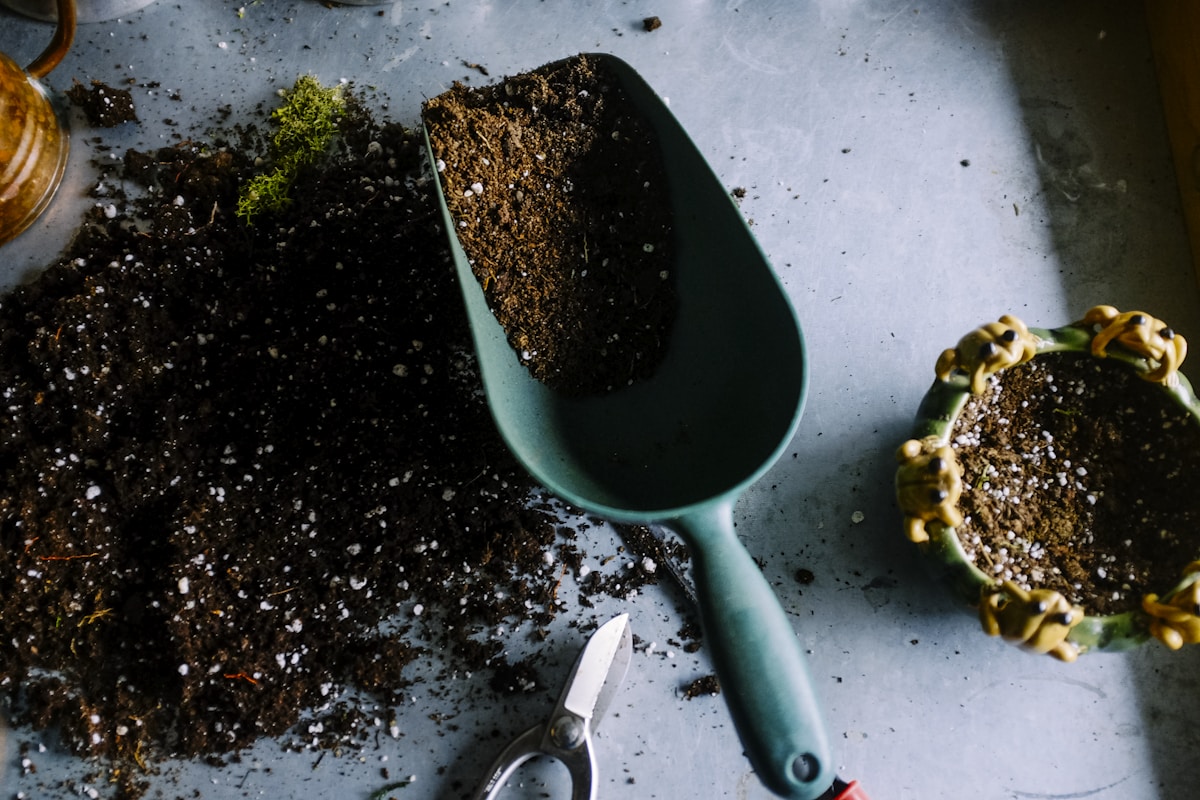
Never use garden soil or topsoil in containers. It compacts in pots, drains poorly, and often harbors diseases and weed seeds. Container gardening demands a purpose-made potting mix designed for the unique conditions inside a pot.
Quality potting mix contains a blend of peat moss or coconut coir (for moisture retention), perlite or vermiculite (for drainage and aeration), and composted bark or organic matter (for nutrients and structure). This combination creates a lightweight, well-draining medium that holds enough moisture without becoming waterlogged.
For most container gardens, a premium all-purpose potting mix works perfectly. Avoid the cheapest options—they often contain more filler than functional ingredients. Mid-range mixes from reputable brands consistently outperform budget alternatives. For vegetables and heavy-feeding flowers, mix in slow-release granular fertilizer at planting time. Our soil improvement guide covers amendment options in depth.
DIY potting mix recipe: 1 part peat moss or coconut coir + 1 part perlite + 1 part high-quality compost + slow-release fertilizer per package directions. This creates an excellent, well-balanced growing medium at roughly half the cost of premium bagged mixes.
Best Plants for Balcony Container Gardens
Herbs: The Perfect Starting Point
If you’ve never gardened before, start with herbs. They’re forgiving, fast-growing, and immediately useful in the kitchen. A single window box of herbs saves $50-100 annually in grocery store herb purchases while delivering superior freshness and flavor.
Basil thrives in warm, sunny spots (6+ hours sun) and produces prolifically when you pinch flowers and harvest frequently. One plant in a 10-inch pot provides enough basil for a family’s summer cooking. Parsley and cilantro prefer cooler conditions and tolerate partial shade, making them excellent for east-facing balconies. Mint grows aggressively in almost any light condition—always contain it in its own pot, as it will overwhelm companion plants. Rosemary and thyme love hot, dry, sunny positions and actually perform better with less water and leaner soil. For a complete herb growing setup, see our small space herb garden guide.
Vegetables That Excel in Containers
Container vegetable gardening has advanced enormously thanks to compact varieties bred specifically for pots. You’re no longer limited to cherry tomatoes and lettuce—modern dwarf varieties of nearly every popular vegetable now exist. For the full list of top performers, check our guide to the best vegetables for pots.
Tomatoes are the most popular container vegetable for good reason. Determinate (bush) varieties like ‘Patio Princess’, ‘Bush Early Girl’, and ‘Tumbling Tom’ stay compact while producing impressive harvests. Give each plant a 5-gallon minimum container, full sun, and consistent water. One well-grown tomato plant produces 10-15 pounds of fruit over a season.
Lettuce and salad greens are ideal container crops requiring just 4-6 hours of sun and shallow 8-inch pots. Cut-and-come-again varieties like ‘Salad Bowl’ and mesclun mixes provide continuous harvests for 6-8 weeks per planting. Succession plant every 3 weeks for uninterrupted salads. Our succession planting guide explains the technique in detail.
Peppers (both sweet and hot) love containers and sunny balconies. Compact varieties like ‘Lunchbox’ sweet peppers and virtually all hot pepper varieties thrive in 3-5 gallon pots. Peppers actually produce more fruit when slightly root-bound, making containers an advantage rather than a limitation.
Flowers for Balcony Beauty
Petunias cascade beautifully from hanging baskets and window boxes, blooming continuously from spring through fall with deadheading. ‘Wave’ and ‘Supertunia’ series are especially vigorous. Geraniums are classic balcony plants throughout Europe and North America—heat tolerant, drought resistant, and available in vivid reds, pinks, and whites. Marigolds add sunshine colors while naturally repelling certain pests. Nasturtiums serve double duty as ornamentals and edibles, with both flowers and leaves adding peppery flavor to salads.
Watering: The #1 Balcony Garden Challenge
How Often to Water Container Plants
Containers dry out dramatically faster than garden beds. A 10-inch pot in full summer sun may need daily watering—sometimes twice daily during heat waves. This is the reality that catches most new container gardeners off guard.
The finger test is your most reliable watering guide: push your finger 1-2 inches into the soil. If it feels dry at that depth, water thoroughly until it drains from the bottom holes. If still moist, check again tomorrow. Watering on a fixed schedule without checking soil moisture leads to either overwatering (rot) or underwatering (wilting).
Water deeply and less frequently rather than giving light, frequent sips. Deep watering encourages roots to grow downward, creating stronger, more drought-resistant plants. Shallow watering keeps roots near the surface where they’re vulnerable to heat and drying.
Solutions for Busy Gardeners
Self-watering containers contain built-in water reservoirs that wick moisture to roots as needed. They reduce watering frequency by 50-75% and maintain more consistent soil moisture than manual watering. They’re the single best investment for balcony gardeners who travel or have busy schedules. Read our complete self-watering planter guide for recommendations.
Drip irrigation kits designed for container gardens connect to a hose bib or faucet with a timer, automatically delivering water to each pot on schedule. Basic kits cost $30-50 and transform balcony gardening from daily obligation to weekly check-in. Mulching container surfaces with 1-2 inches of bark chips, straw, or decorative pebbles reduces evaporation by 25-50%, visibly reducing watering needs.
Fertilizing Container Plants
Container plants depend entirely on you for nutrients. Unlike garden beds where roots access deep soil reserves, potted plants exhaust their limited soil nutrients within 4-6 weeks. Without supplemental feeding, container plants gradually yellow, stop growing, and produce poorly.
Slow-release granular fertilizer mixed into potting soil at planting provides steady nutrition for 3-4 months. This single application covers most plants through their peak growing season. Supplement with liquid fertilizer (diluted to half strength) every 2-3 weeks for heavy feeders like tomatoes, peppers, and flowering annuals.
Organic options include fish emulsion (excellent all-purpose liquid feed), worm castings (gentle, slow-release nutrition mixed into soil), and compost tea for regular liquid feeding. If you’re interested in making your own, our compost tea guide walks through the process step by step.
Seasonal Balcony Garden Management
Spring: Starting Strong
Begin with cool-season crops like lettuce, spinach, peas, and pansies as soon as nighttime temperatures consistently stay above 40°F. Transition to warm-season plants (tomatoes, peppers, basil) after all frost danger passes. Use the spring transition period to prepare containers—refresh potting mix, clean and sanitize reused pots, and plan your layout.
Summer: Peak Production
Summer is prime container gardening season but also the most demanding. Watering becomes critical—check containers daily, twice daily during heat waves. Move heat-sensitive plants to afternoon shade if temperatures exceed 95°F. Harvest vegetables and herbs frequently to encourage continued production. Deadhead flowers to promote reblooming.
Fall: Extended Harvests
Fall container gardening is vastly underrated. As summer crops fade, replace them with cool-season favorites: kale, Swiss chard, lettuce, spinach, mums, and ornamental cabbage. Many fall crops tolerate light frosts, extending your growing season by 6-8 weeks. Check our fall planting guide for timing recommendations by zone.
Winter: Protection and Planning
In cold climates, most containers need winter protection. Bring tender plants indoors near bright windows. Hardy perennials in containers are more vulnerable to freeze damage than the same plants in the ground—insulate pots with bubble wrap or move them to sheltered locations. Our overwintering guide covers protection strategies in detail.
Common Balcony Garden Problems and Solutions
Plants wilting despite regular watering: Check for root rot (overwatering) or root-bound conditions (pot too small). Lift the plant from its pot to inspect roots. Healthy roots are white; rotting roots are brown and mushy.
Leggy, stretched plants: Insufficient light. Move containers to brighter positions or switch to shade-tolerant varieties. Plants stretch toward light sources when they’re not receiving enough.
Yellowing leaves: Most commonly caused by nutrient deficiency (start fertilizing), overwatering, or natural aging of lower leaves. Our yellow leaves troubleshooting guide helps diagnose the specific cause.
Pests on balcony plants: Aphids, spider mites, and whiteflies are the most common balcony pests. Spray with a strong water jet first—this removes 80% of aphid populations. For persistent problems, neem oil spray provides effective organic control. See our aphid control guide for detailed solutions.
Wind damage: Upper-floor balconies experience stronger winds that dry soil faster and damage tall plants. Use heavy, stable containers, stake tall plants, and consider wind-break solutions like bamboo screens or trellis-mounted climbing plants.
Frequently Asked Questions
Can I grow vegetables on a north-facing balcony?
Limited vegetable options exist for north-facing balconies, but you can grow lettuce, spinach, and some herbs (mint, parsley, chives) with as little as 2-3 hours of direct light. Focus on leafy greens rather than fruiting crops that need 6+ hours of sun.
How much does it cost to start a balcony container garden?
A basic starter garden with 3-5 containers, potting mix, and plants costs $50-100. Fabric grow bags and homemade potting mix reduce costs further. The investment typically pays for itself within one growing season through herb and vegetable savings.
Will container gardening damage my balcony?
Proper container gardening with saucers under pots to catch drainage water causes no damage. Use plant saucers, elevate containers on pot feet for airflow, and avoid dragging heavy pots across surfaces. Always verify weight limits with your building management.
What is the easiest thing to grow in containers for a complete beginner?
Herbs are universally the easiest starting point. Specifically, basil, mint, and chives require minimal experience and produce quickly. Among vegetables, lettuce and radishes are the most forgiving container crops for beginners.
Can I reuse potting soil from year to year?
Yes, with refreshing. Remove old roots, fluff the soil, and mix in 25-30% fresh potting mix plus slow-release fertilizer. Avoid reusing soil from plants that had disease problems. Refresh rather than replace to save money while maintaining quality.
How do I prevent containers from overheating in summer?
Light-colored containers reflect heat better than dark ones. Group pots together so they shade each other’s sides. Use double-potting (placing the growing pot inside a larger decorative pot with an air gap). Mulch soil surfaces to insulate roots from direct sun heating.
Is balcony container gardening worth it for food production?
Absolutely. A well-managed balcony garden of 8-10 containers can produce $200-500 worth of herbs and vegetables per growing season. The freshness, flavor, and satisfaction of homegrown food far exceeds grocery store equivalents, making even modest balcony gardens worthwhile investments.
Do I need special permission from my landlord to garden on a balcony?
Most leases allow container gardening on balconies, but always check your specific agreement. Some buildings restrict hanging baskets from railings, heavy containers, or water drainage to lower floors. A quick conversation with your landlord prevents potential conflicts and often reveals they’re enthusiastic about tenants gardening.