
In questa guida su Pest Control, troverai tutto quello che c’è da sapere. My neighbor sprays his garden every week. Bottles of insecticide lined up like soldiers on his garage shelf. His garden looks spotless — not a bug in sight. His bees are gone, too. So are the butterflies. The birds that used to visit his yard moved on years ago. And somehow, despite all that spraying, his tomato hornworm problem gets worse every single season.
That’s the paradox of chemical pest control: it destroys the natural predators that keep pest populations in check, creating a dependency cycle where you need more spray every year. Remove the spray, and pest populations explode because there are no natural predators left to control them.
Organic pest control takes the opposite approach. Instead of eliminating all insects, you build an ecosystem where beneficial predators keep pest populations manageable. You prevent problems through smart planting, healthy soil, and physical barriers. When pests do show up — and they will — you deal with them using targeted, natural methods that don’t destroy the balance you’ve built.
It takes slightly more patience than reaching for a spray bottle. But the results are a garden that gets healthier and more self-regulating every year, produces food you can eat without worrying about chemical residues, and supports the pollinators and wildlife that make the whole system work.
📑 Table of Contents
- The Organic Pest Control Philosophy
- Prevention: Your First Line of Defense
- Know Your Enemy: Identifying the 10 Most Common Pests
- Beneficial Insects: Your Garden’s Free Pest Control
- Physical Barriers and Traps
- Companion Planting for Pest Defense
- 3 DIY Organic Spray Recipes
- Organic Products That Work (And How to Use Them Safely)
- Crop Rotation as Pest Prevention
- Seasonal Pest Prevention Calendar
- Frequently Asked Questions
The Organic Pest Control Philosophy
Let’s start with a mindset shift that changes everything: the goal isn’t a pest-free garden. It’s a pest-balanced garden.
Some level of pest activity is not only normal — it’s necessary. Without aphids, ladybugs starve. Without caterpillars, birds lose a food source. Without any pests at all, the beneficial predator populations collapse, leaving your garden completely vulnerable the moment a pest outbreak does happen.
A healthy organic garden tolerates minor pest damage in exchange for building a resilient ecosystem. A few holes in your cabbage leaves? That’s the price of having ladybugs that eat hundreds of aphids per day. A hornworm on your tomato? It’s feeding a parasitic wasp that will prevent dozens of future hornworms. The garden is negotiating its own balance — your job is to support that process, not override it.
Rachel Carson put it perfectly in Silent Spring: pesticides should more accurately be called “biocides” because they kill indiscriminately. Every broad-spectrum spray you apply kills the beneficial insects that were working for you for free. The short-term relief creates long-term dependency.
Prevention: Your First Line of Defense
Eighty percent of your pest control strategy should be prevention. If you get prevention right, the remaining 20% — dealing with pests that show up anyway — becomes manageable rather than overwhelming.
Start With Healthy Soil
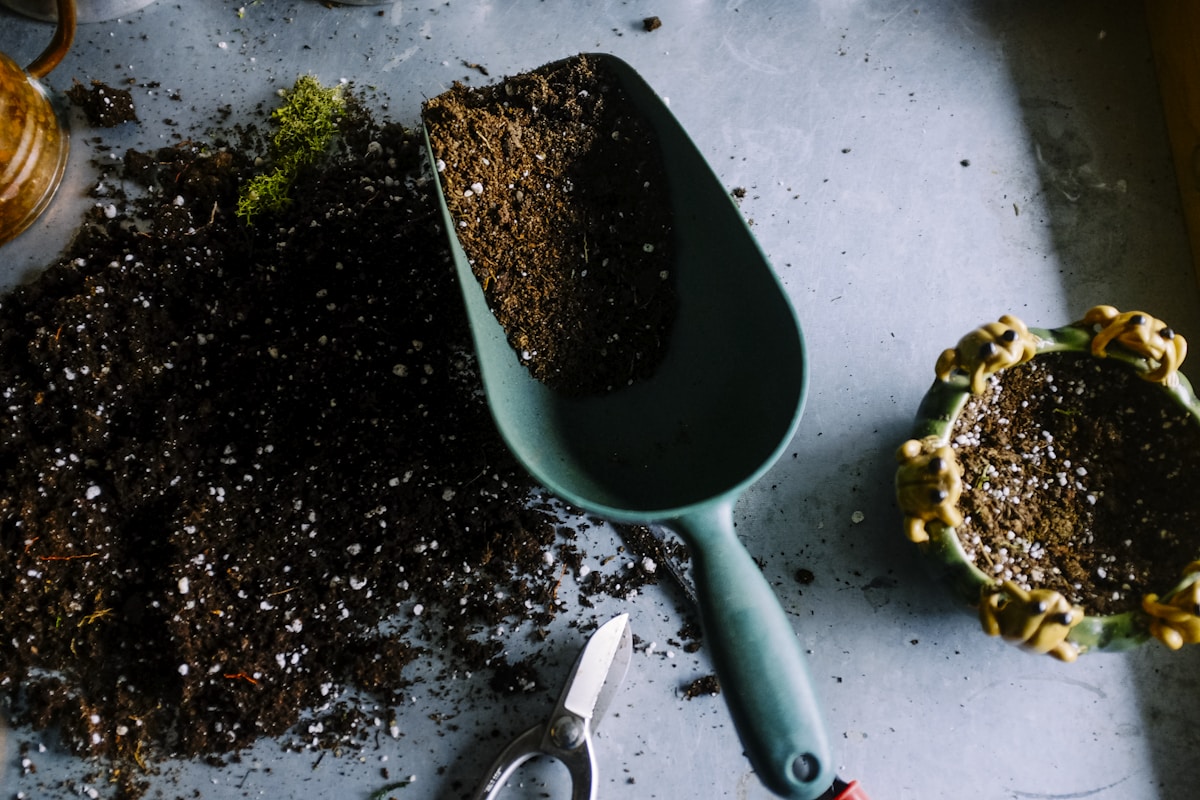
This is not gardening cliché — it’s biology. Plants grown in rich, compost-amended soil produce higher concentrations of defensive compounds that make them less attractive and less palatable to pests. Nutrient-deficient plants broadcast chemical signals that actually attract pest insects. Feed your soil with compost, and you’re literally making your plants taste worse to bugs.
Apply 2-3 inches of quality compost to your beds twice a year. Have your soil tested every 2-3 years through your local extension office ($15-$25) to identify and correct nutrient imbalances before they weaken your plants.
Choose Resistant Varieties
Seed catalogs and plant labels use letter codes to indicate disease and pest resistance. A tomato labeled “VFN” resists Verticillium wilt, Fusarium wilt, and root-knot nematodes. Choosing resistant varieties is the easiest, cheapest pest prevention strategy — you literally just read the label.
Practice Good Sanitation
Remove spent plants promptly at the end of each season. Don’t leave overripe fruit on the ground. Clean up fallen leaves and debris that harbor overwintering pests and disease spores. A clean garden going into winter means fewer problems emerging the following spring.

Know Your Enemy: Identifying the 10 Most Common Pests
Effective organic control starts with accurate identification. Different pests require different responses. Here’s your field guide to the top 10, ranked by a Mother Earth News survey of 1,300 gardeners:
| # | Pest | Damage Signs | Crops Affected | Best Organic Control |
|---|---|---|---|---|
| 1 | Slugs/Snails | Irregular holes; slimy trails on leaves | Lettuce, strawberries, seedlings | Iron phosphate baits; beer traps; hand-pick at dusk |
| 2 | Aphids | Curled leaves; sticky residue; clusters on stems | Nearly everything | Water blast; attract ladybugs; companion plant with chives |
| 3 | Squash Bugs | Wilting leaves; bronze eggs on leaf undersides | Squash, zucchini, pumpkins | Hand-pick eggs; trap under cardboard; crop rotation |
| 4 | Cabbage Worms | Large holes in leaves; green caterpillars | Broccoli, cabbage, kale, cauliflower | Row covers; Bt spray (95% effective); nasturtium trap crop |
| 5 | Japanese Beetles | Skeletonized leaves; metallic green/bronze adults | Beans, roses, grapes, many others | Hand-pick into soapy water; milky spore for grubs; neem oil |
| 6 | Cucumber Beetles | Holes in leaves; spread bacterial wilt | Cucumbers, melons, squash | Row covers until flowering; kaolin clay; trap crops |
| 7 | Tomato Hornworms | Massive defoliation; large green caterpillars | Tomatoes, peppers, eggplant | Hand-pick (easy — they’re huge); Bt; attract parasitic wasps |
| 8 | Flea Beetles | Tiny holes (“shot holes”) in leaves | Eggplant, radishes, leafy greens | Row covers; radish trap crop; kaolin clay; diversity planting |
| 9 | Cutworms | Seedlings cut at soil level overnight | Transplants of all kinds | Cardboard stem collars; diatomaceous earth ring; evening patrol |
| 10 | Colorado Potato Beetles | Defoliated potato/eggplant; orange eggs | Potatoes, eggplant, tomatoes | Hand-pick all stages; mulch heavily; spinosad spray |
Beneficial Insects: Your Garden’s Free Pest Control
These are the allies you want to attract and protect. Each one earns its keep many times over:
Ladybugs (Lady Beetles)
HIGH IMPACTA single ladybug eats up to 5,000 aphids in its lifetime. Both adults and larvae are voracious predators. Attract them by planting dill, fennel, yarrow, and sweet alyssum. Avoid broad-spectrum sprays that kill them.
Ground Beetles
HIGH IMPACTNocturnal predators that eat slugs, cutworms, cabbage maggots, and other soil-dwelling pests. Provide habitat with mulch, stones, and ground cover. They’re rarely seen but always working.
Lacewings
HIGH IMPACTLarvae (called “aphid lions”) consume 200+ aphids per week, plus mealybugs, mites, and small caterpillars. Adults feed on pollen and nectar — plant cosmos, coreopsis, and dill to attract them.
Parasitic Wasps
HIGH IMPACTTiny, non-stinging wasps that lay eggs inside caterpillars, aphids, and beetle larvae — killing them from within. If you see a hornworm covered in white cocoons, leave it alone! Those cocoons ARE the wasps doing their job.
Hoverflies (Syrphid Flies)
MODERATE IMPACTAdults look like tiny bees and pollinate flowers. Larvae eat aphids, thrips, and scale insects. Plant sweet alyssum, marigolds, and calendula to attract them — they’re drawn to flat, open flowers.
Garden Spiders
MODERATE IMPACTGeneralist predators that catch a wide range of flying and crawling pests in their webs. Resist the urge to remove webs — each one is catching pests for you 24/7. Provide tall plants and undisturbed areas for web-building.
The key principle: every time you spray — even organic sprays — you risk killing these allies. Always try non-spray methods first. When spraying is necessary, apply in the evening when beneficial insects are less active, and target only the affected plants rather than blanket-spraying the entire garden.

Physical Barriers and Traps
Physical methods are the cleanest form of pest control — no chemicals, no collateral damage, no waiting period. Just a barrier between your plants and the things that want to eat them.
Row Covers (Floating Row Cover / Insect Netting)
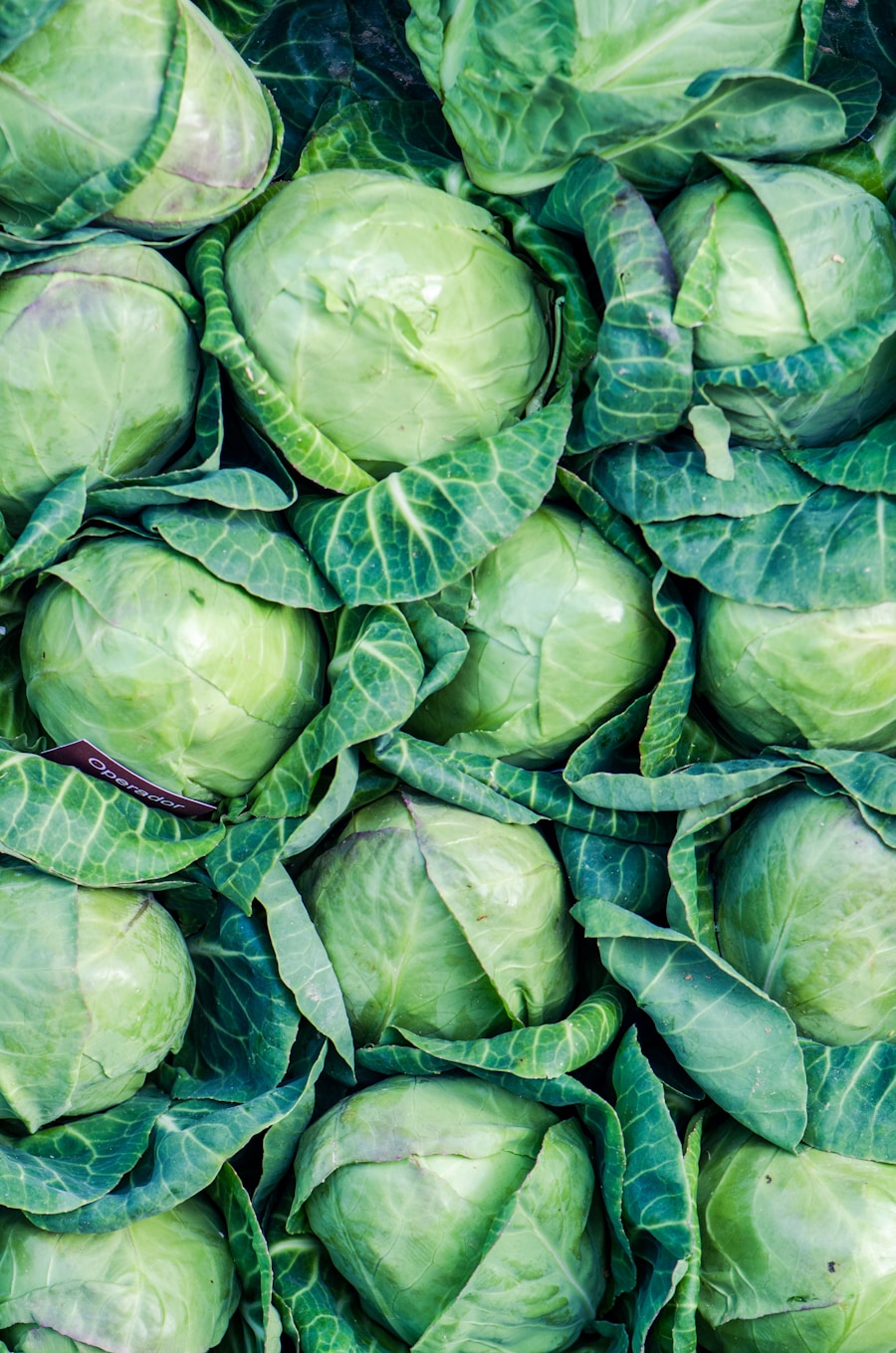
Lightweight fabric draped over hoops above your plants. Sunlight and water pass through; insects can’t. This is the single most effective physical pest control method — if bugs can’t reach your plants, they can’t eat them. Period.
Best for: brassicas (cabbage worms), cucurbits before flowering (cucumber beetles), leafy greens (flea beetles), and any transplant vulnerable to flea beetles or cabbage moths. Remove before flowering if crops need pollination (squash, cucumbers, peppers). Self-pollinating crops (tomatoes, peppers) can stay covered.
Copper Tape / Barriers
Copper creates a mild electrical charge when slugs or snails touch it — enough to repel them without killing them. Apply copper tape around the edges of raised beds or container rims. Effective for protecting lettuce, strawberries, and seedlings from slug damage.
Cardboard Stem Collars
Cut cardboard tubes (toilet paper rolls work perfectly) into 2-3 inch sections. Place one around each transplant stem at planting time, pushed 1 inch into the soil. This blocks cutworms from reaching the stem — they can’t climb the collar. Simple, free, and remarkably effective.
Beer Traps for Slugs
Bury a shallow container (yogurt cup, tuna can) at soil level and fill with cheap beer. Slugs are attracted to the yeast, crawl in, and drown. Check and refill every few days. Place traps at the garden perimeter rather than in the center — you want to intercept slugs before they reach your plants, not attract outside slugs into the middle of your beds.
Hand-Picking
The oldest pest control method, and still among the most effective. A Mother Earth News survey found 87% of gardeners rate hand-picking as effective for slugs, and it’s the preferred method for hornworms, Colorado potato beetles, and Japanese beetles. Morning and evening are prime picking times. Drop pests into a bucket of soapy water.

Companion Planting for Pest Defense
Strategic planting is prevention that’s also beautiful. Our comprehensive companion planting guide covers the full science, but here are the top pest-defense pairings:
| Plant This | Near This | Pest Repelled / Benefit |
|---|---|---|
| Basil | Tomatoes, peppers | Repels thrips, hornworm moths, mosquitoes |
| Marigolds (French) | Everywhere — borders, between rows | Suppress root-knot nematodes; repel whiteflies; trap crop for aphids |
| Nasturtiums | Cabbage family, cucumbers | Trap crop for aphids and cabbage worms (they prefer nasturtiums) |
| Chives / Garlic | Tomatoes, roses, carrots | Repel aphids, Japanese beetles, carrot flies with sulfur compounds |
| Dill / Fennel | Cabbage, lettuce | Attract ladybugs, lacewings, parasitic wasps (beneficial predators) |
| Sweet Alyssum | Any vegetable bed edges | Attracts hoverflies whose larvae eat aphids; ground cover suppresses weeds |
| Calendula | Anywhere in the garden | Trap crop for aphids; attracts pollinators; medicinal uses |
| Borage | Tomatoes, strawberries, squash | Attracts pollinators; deters hornworms; improves tomato growth/flavor |
| Radishes | Cucumbers, squash | Trap crop for flea beetles (they prefer radish leaves) |
| Oregano | Peppers, squash, grapes | General pest deterrent; attracts beneficial insects when flowering |
3 DIY Organic Spray Recipes
When prevention and physical methods aren’t enough, these targeted sprays offer the next level of organic control. Remember: spray as a last resort, in the evening, and only on affected plants — never blanket-spray your entire garden.
🧄 Garlic-Pepper Spray (Broad-Spectrum Repellent)
Effective against: Aphids, cabbage worms, whiteflies, spider mites, flea beetles
- Crush 4-5 garlic cloves and steep in 1 teaspoon of vegetable oil for 24 hours.
- Add ½ teaspoon of liquid dish soap (plain, unscented) and 1 teaspoon of cayenne pepper.
- Mix into 1 quart (1 liter) of water. Strain through cheesecloth.
- Pour into a spray bottle. Apply directly onto pests and affected leaves.
- Reapply after rain. Use within 1 week of making.
The garlic and capsaicin repel most soft-bodied insects. The oil helps the spray stick to leaves. The soap breaks surface tension so the mixture spreads evenly.
🧼 Simple Soap Spray (Contact Killer)
Effective against: Aphids, mealybugs, whiteflies, spider mites (soft-bodied insects)
- Add 2 teaspoons of plain liquid dish soap to 1 pint (500ml) of water.
- Shake well. Spray directly onto pest clusters — this is a contact killer, meaning it only works on bugs you actually hit.
- Rinse plants with clean water the next morning to prevent soap buildup on leaves.
Soap disrupts the cell membranes of soft-bodied insects. It does NOT work on hard-shelled beetles or caterpillars. Use sparingly — soap can damage plants if overused.
🌿 Neem Oil Spray (Multi-Purpose)
Effective against: 200+ insect species including aphids, beetles, caterpillars, mites, plus fungal diseases
- Mix 1-2 tablespoons of cold-pressed neem oil with 1 teaspoon of liquid soap (emulsifier) in 1 gallon of warm water.
- Shake vigorously — neem oil doesn’t dissolve in water without the soap emulsifier.
- Spray all plant surfaces, including leaf undersides, in the evening.
- Reapply every 7-14 days during active pest pressure.
Neem disrupts insect hormonal systems, preventing feeding and reproduction. It works slowly (not an instant kill) but provides lasting protection. Also effective against powdery mildew and other fungal issues.
Organic Products That Work (And How to Use Them Safely)
When DIY sprays aren’t enough, these commercially available organic products offer proven, targeted control:
🦠 Bacillus thuringiensis (Bt)
A naturally occurring soil bacterium that produces a toxin lethal to caterpillar larvae when ingested. 95% effectiveness rating in the Mother Earth News survey — the highest of any organic product tested. Safe for humans, birds, bees, and non-target insects. The most effective organic caterpillar control available. Apply to leaf surfaces where caterpillars feed; reapply after rain.
💀 Spinosad
Derived from a soil bacterium, spinosad attacks the nervous system of target insects. Broader spectrum than Bt — effective against caterpillars plus beetles and thrips. 79% effectiveness rating. Moderately toxic to bees when wet, so apply only in evening after bees return to hives. Let dry before morning.
🌱 Neem Oil (Commercial)
Buy cold-pressed, pure neem oil (not “neem extract” which has the active ingredient removed). Works as a repellent, feeding inhibitor, and growth disruptor. Also fungicidal against powdery mildew and black spot. Slower-acting than other options but incredibly versatile. Your Swiss Army knife of organic pest products.
⚪ Diatomaceous Earth (DE)
Fossilized algae that damages the exoskeletons of crawling insects, causing dehydration. 84% effectiveness against slugs. Sprinkle around plant bases and bed edges. Must be reapplied after rain (ineffective when wet). Use food-grade DE only — pool-grade is chemically treated and harmful. Wear a mask when applying to avoid inhaling the fine dust.
🟢 Iron Phosphate Slug Baits
86% effectiveness rating. Slugs eat the bait, stop feeding, and die within days. Safe around pets, wildlife, and children (unlike older metaldehyde baits, which are toxic). Scatter pellets around affected areas in the evening when slugs are active. The most targeted, safest slug control available.

Crop Rotation as Pest Prevention
Crop rotation is pest prevention that happens at the planning stage — before a single seed goes in the ground. The concept is simple: don’t plant the same family of vegetables in the same spot two years in a row. This breaks pest and disease life cycles that depend on finding their host plants in the same location.
A Mother Earth News survey found 90% of gardeners get good pest control from crop rotation alone for soil-dwelling pests like root maggots and nematodes.
| Year | Bed 1 | Bed 2 | Bed 3 | Bed 4 |
|---|---|---|---|---|
| Year 1 | Nightshades (tomatoes, peppers) | Legumes (beans, peas) | Brassicas (cabbage, broccoli) | Root crops (carrots, beets) |
| Year 2 | Legumes | Brassicas | Root crops | Nightshades |
| Year 3 | Brassicas | Root crops | Nightshades | Legumes |
| Year 4 | Root crops | Nightshades | Legumes | Brassicas |
Legumes follow heavy feeders (nightshades) because they fix nitrogen in the soil, replenishing what the previous crop consumed. Brassicas follow legumes to capitalize on the nitrogen boost. Root crops follow brassicas because they need less nitrogen and different soil nutrients. Each family moves one bed to the right each year.
Even with just two or three beds, rotating crop families makes a measurable difference in pest and disease pressure. Our complete vegetable garden guide includes more detail on planning rotations for small spaces.
Seasonal Pest Prevention Calendar
| Season | Key Actions | Pests to Watch For |
|---|---|---|
| Early Spring (Mar-Apr) | Clean beds of debris; apply compost; install row covers on brassicas and leafy greens; set slug traps; place stem collars on transplants | Cutworms, slugs, flea beetles, cabbage moths |
| Late Spring (May-Jun) | Scout daily for new pests; begin companion planting flowers; release or attract beneficials; hand-pick early arrivals | Aphids, Colorado potato beetles, cucumber beetles |
| Summer (Jul-Aug) | Monitor and hand-pick regularly; apply Bt for caterpillars if needed; maintain mulch; keep watering consistent | Hornworms, squash bugs, Japanese beetles, spider mites |
| Fall (Sep-Oct) | Remove spent plants promptly; plant cover crops; clean up debris; note pest problems for next year’s rotation plan | Late-season aphids, cabbage worms on fall brassicas, slugs |
| Winter (Nov-Feb) | Plan next year’s rotation; order resistant varieties; review what worked and what didn’t; build/repair row cover hoops | None active — this is planning and prevention season |
🛡️ Build Your Complete Organic Garden
📦 Raised Garden Beds Guide — the perfect structure for pest-resistant gardening
🌻 Companion Planting Chart — the complete science of pest-defense planting
🪱 Composting Guide — healthy soil is your foundation for pest resistance
🍅 Tomato Growing Guide — organic pest solutions for the #1 garden crop
🌿 Herb Garden Guide — grow herbs that double as natural pest repellents
💧 Drip Irrigation Guide — consistent watering reduces plant stress and pest vulnerability
🥬 Complete Vegetable Garden Guide — everything you need to get growing
Frequently Asked Questions About Organic Pest Control
Is organic pest control really effective enough for a serious vegetable garden?
Yes. A Mother Earth News survey of 1,300+ experienced gardeners found that organic methods achieve 79-95% effectiveness for the most common garden pests. Bt spray against caterpillars scored 95%, hand-picking against slugs scored 87%, and crop rotation scored 90% for soil-dwelling pests. The key is using multiple methods together (prevention + beneficial insects + targeted intervention) rather than relying on any single approach.
How do I attract beneficial insects to my garden?
Plant a diversity of flowers that bloom throughout the growing season. The top attractors: sweet alyssum, dill, fennel, yarrow, cosmos, calendula, borage, and marigolds. Provide water sources (a shallow dish with pebbles). Leave some areas of the garden slightly “wild” with mulch and ground cover for habitat. Most importantly, stop using broad-spectrum sprays — even one application can decimate beneficial populations for months.
What’s the safest organic spray I can use?
Bt (Bacillus thuringiensis) is the safest targeted spray — it only affects caterpillar larvae and is harmless to bees, beneficial insects, humans, and pets. For soft-bodied insects like aphids, a simple water blast from a hose is the safest first option, followed by insecticidal soap if needed. Neem oil is the most versatile spray but should still be applied in the evening to protect pollinators.
How do I deal with slugs organically?
Iron phosphate baits (86% effectiveness) are the most reliable option — safe for pets and wildlife. Beer traps (80% effectiveness) work as a supplement. Hand-picking at dusk is highly effective if you’re consistent. Copper tape around raised beds deters slugs from entering. Encourage natural slug predators: toads, ground beetles, garter snakes, and birds. Reduce slug habitat by clearing debris, boards, and dense ground cover where they hide during the day.
Can I use neem oil on vegetables I’m going to eat?
Yes — neem oil is approved for use on food crops and has a very low toxicity to humans. However, follow these guidelines: use cold-pressed, pure neem oil (not synthetic). Apply in the evening, never in direct sunlight (it can burn leaves). Observe a 1-day waiting period before harvesting sprayed produce. Wash harvested vegetables thoroughly as you would with any produce. Don’t spray open flowers to protect pollinators.
Why do my pest problems get worse every year despite spraying?
This is the chemical dependency cycle. Broad-spectrum sprays kill pest predators (ladybugs, lacewings, parasitic wasps) alongside pests. Without natural predators, pest populations rebound faster than predator populations recover — requiring more spraying, which kills more predators, creating a worsening spiral. The solution: stop spraying broad-spectrum products, switch to targeted organic methods, plant flowers to attract beneficial insects, and give the ecosystem 1-2 seasons to rebalance. It gets worse briefly before it gets dramatically better.
Per approfondire: Pest Control – Wikipedia