How to Extend Your Growing Season by 2-4 Months Using Simple, Low-Cost Techniques
Cold frames, row covers, succession planting, and 10 proven methods that let you harvest fresh vegetables from early March through late December — even in cold climates.
🧊 What You’ll Learn
- A floating row cover draped over hoops adds 5-10°F of frost protection — enough to extend your fall garden by 4-6 weeks and start spring planting 2-4 weeks early.
- A simple cold frame (an old window over a wood box) creates a microclimate equivalent to moving your garden 1.5 USDA hardiness zones warmer.
- Combining just two techniques — row covers in spring + cold frames in fall — can stretch a 5-month growing season to 8-9 months without a greenhouse.
- The crops that handle cold best aren’t the ones most people guess. Spinach survives to 15°F unprotected. Kale handles 20°F. Carrots actually get sweeter after frost.
- Every technique in this guide costs under $50. Most cost under $20. A heated greenhouse is NOT required — you need physics, not electricity.
My neighbor pulled his last tomato plant in early October and declared gardening season “over.” Meanwhile, I was planting my second round of spinach. By Thanksgiving, I was harvesting kale, carrots, lettuce, and arugula from a garden he assumed was dead. In December — December! — I picked fresh salad greens from under a row cover while two inches of snow sat on top of the fabric.
The difference wasn’t a greenhouse. It wasn’t expensive equipment. It was a $12 piece of garden fabric, a $30 cold frame made from scrap wood and an old window, and the knowledge that the growing season doesn’t end when most people think it does.
Here’s the reality that changes everything: many vegetables don’t need warm weather. They don’t even need mild weather. Spinach, kale, carrots, beets, lettuce, arugula, and an entire family of cold-hardy crops grow actively in temperatures that would kill a tomato plant instantly. These crops don’t survive cold — they prefer it. Give them modest protection from wind and hard frost, and they’ll produce food well into winter.
Season extension isn’t about keeping summer going. It’s about discovering the second season — the cool-season crops that most gardeners never plant because they pack up when the first frost hits. With the right techniques, a typical Zone 5-6 gardener can harvest fresh food for 8-10 months instead of 5-6. In mild climates (Zones 7-9), twelve months is genuinely achievable.
This guide covers every practical technique, from the simplest (a bedsheet over your tomatoes on a frost night) to the most effective (a four-season cold frame that produces salad greens through January).
In This Guide
- The Physics of Season Extension
- 10 Season Extension Methods (Ranked)
- Cold Frames: The Best Tool You’re Not Using
- Row Covers and Low Tunnels
- The Best Cold-Hardy Crops
- Extending Spring: Start 2-4 Weeks Early
- Extending Fall: Keep Harvesting Into Winter
- Season Extension Timeline by Zone
- DIY Cold Frame: Build One This Weekend
- Mistakes That Kill Extended-Season Gardens
- Frequently Asked Questions
1 The Physics of Season Extension
Every season extension technique works on the same basic physics principle: trapping solar heat during the day and slowing heat loss at night. The sun heats soil and air inside an enclosed or semi-enclosed space. The enclosure (glass, plastic, fabric) prevents that heat from escaping as quickly as it would in the open. At night, when temperatures drop, the trapped warmth acts as a buffer, keeping plants several degrees warmer than the outside air.
This is why even a thin piece of row cover fabric — something that seems too lightweight to do anything — can provide 5-10°F of protection. It’s not insulating the plants the way a blanket insulates you. It’s slowing convective heat loss (preventing warm air from rising away from the plants) and reducing radiative heat loss (preventing the ground’s stored warmth from escaping directly into the cold sky).
The thicker and more enclosed the protection, the greater the temperature differential:
| Protection Method | Typical °F Above Outside Temp | Frost Protection Down To | Season Extension |
|---|---|---|---|
| No protection | 0°F | 32°F kills tender crops | Baseline |
| Bedsheet / blanket | +2-3°F | ~28-30°F | +1-2 weeks |
| Lightweight row cover | +4-6°F | ~26-28°F | +2-4 weeks |
| Heavy row cover | +6-10°F | ~22-26°F | +4-6 weeks |
| Low tunnel (plastic on hoops) | +8-12°F | ~20-24°F | +6-8 weeks |
| Cold frame | +10-20°F | ~15-22°F | +8-12 weeks |
| Cold frame + row cover inside | +15-25°F | ~10-17°F | +10-16 weeks |
| Hoop house / high tunnel | +15-30°F | ~5-17°F | +12-20 weeks |
| Heated greenhouse | +30-50°F+ | Year-round | Year-round |
2 10 Season Extension Methods (Ranked by Value)
1. Cold Frame
A bottomless box with a transparent lid. The Swiss Army knife of season extension — use it to start seeds early, harden off transplants, grow greens through winter, and protect fall crops. Every serious gardener should own at least one.
2. Floating Row Cover
Lightweight fabric draped over plants or supported by hoops. Lets light and rain through while trapping heat. Available in different weights for different protection levels. Reusable for 2-4 seasons.
3. Low Tunnel (Hooped Row Cover)
PVC or wire hoops supporting plastic or row cover fabric. Creates a mini greenhouse over a garden row. Better heat retention than flat row cover because of the air space between fabric and plants.
4. Thermal Mass (Water Jugs)
Black-painted water jugs placed inside cold frames or tunnels absorb solar heat during the day and release it at night. One gallon of water stores 8,000 BTU of heat. Six jugs in a cold frame significantly moderate overnight temperature drops. Free if you save milk jugs.
5. Thick Mulch
12-18 inches of straw or leaf mulch piled over root crops (carrots, beets, parsnips, turnips) prevents the ground from freezing solid. You can dig through the mulch and harvest fresh root vegetables through January in Zones 5-7. The cheapest season extender that exists.
6. Cloches
Individual plant covers — milk jugs with bottoms cut off, glass bell jars, or commercial plastic cloches. Perfect for protecting newly transplanted tomatoes and peppers in spring. Must be ventilated on sunny days to prevent overheating.
7. Cold-Hardy Varieties
Not all lettuce is equal. ‘Winter Density’ lettuce survives 10°F colder than standard varieties. ‘Winterbor’ kale is virtually indestructible. Choosing cold-hardy cultivars extends your season without any physical structures. Seeds are the cheapest season extension investment.
8. Succession Planting
Planting the same crop every 2-3 weeks ensures something is always reaching maturity. Start cool-season crops in late summer for fall/winter harvest while they have time to establish before cold arrives. See our planting calendar.
9. Black Plastic Mulch
Lay black plastic over garden beds 2-3 weeks before spring planting. The plastic absorbs solar heat and warms the soil underneath — critical for early warm-season transplants. Soil at 65°F instead of 55°F can mean a 2-week head start for tomatoes and peppers.
10. Raised Beds
Raised beds warm up 1-3 weeks faster than in-ground soil in spring because they’re elevated, have better drainage, and more surface area exposed to sun. Combined with any other technique on this list, they give a meaningful head start.
3 Cold Frames: The Best Tool You’re Not Using
If you could own only one piece of gardening equipment beyond basic hand tools, a cold frame would be my recommendation. Not a fancy trellis. Not a raised bed. A cold frame. Here’s why:
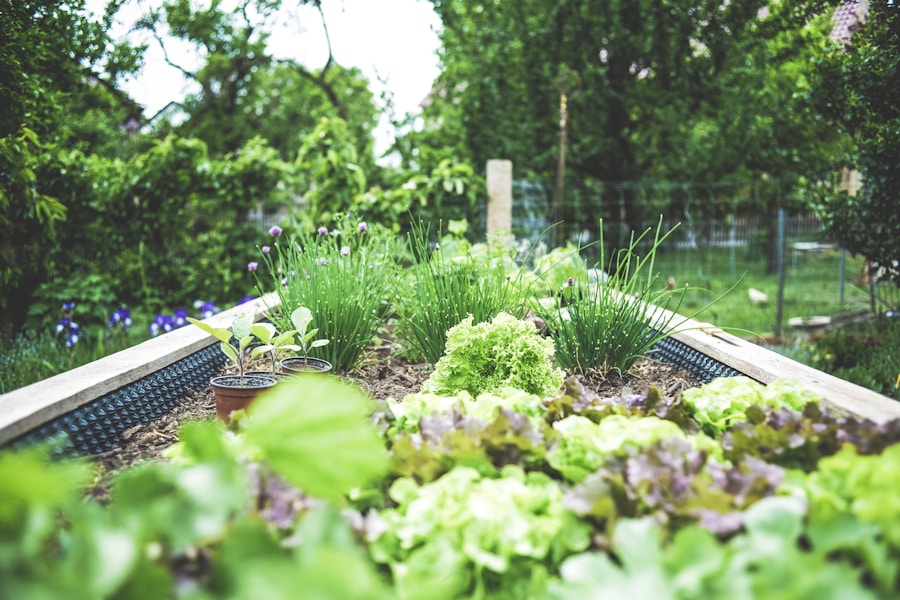
A cold frame is a bottomless box — typically 2-4 feet wide and 4-8 feet long — with a transparent lid made of glass, polycarbonate, or heavy plastic. That’s it. The concept is simple: sunlight passes through the lid, heats the soil and air inside, and the enclosed space retains that warmth far longer than the open garden. On a 30°F night, the inside of a well-built cold frame stays 45-50°F. On a 20°F night, it stays 30-40°F. On a 10°F night, add a row cover inside and it stays above freezing.
Year-Round Uses for a Cold Frame
Late winter (Feb-March): Start seeds of cool-season crops directly in the cold frame. Lettuce, spinach, and radish seeds germinate in soil as cool as 40°F — but they germinate faster and grow stronger in the 50-60°F environment a cold frame provides. You’re planting 4-6 weeks before anything can go in the open garden.
Early spring (March-April): Harden off indoor-started seedlings before transplanting. The cold frame provides a halfway house between your warm indoor growing area and the cold outdoor garden. Set transplants in the cold frame for 7-10 days, gradually opening the lid longer each day, before moving them to the open garden.
Spring-Summer: Grow heat-loving seedlings (peppers, eggplant) that need warmer conditions than your outdoor garden provides. A cold frame in summer acts as a passive solar heater for crops that crave warmth.
Fall (September-November): Plant cool-season crops inside the cold frame for extended fall harvest. Lettuce, arugula, spinach, radishes, and herbs keep producing well past the first frost when protected by the frame.
Winter (December-February): Maintain a winter salad garden. In Zones 5-7, a cold frame with an interior row cover keeps spinach, mâche, claytonia, and winter lettuce alive and harvestable through the coldest months. Growth slows dramatically but doesn’t stop — you’re harvesting established plants, not trying to grow new ones from seed in winter darkness.
4 Row Covers and Low Tunnels
If cold frames are the Swiss Army knife, row covers are the duct tape — incredibly versatile, absurdly cheap, and useful in situations where nothing else works as well.
Floating row covers are sheets of spun-bonded polypropylene or polyester fabric. They’re porous (letting light, air, and water through) yet effective at trapping heat. They come in different weights, which determines their temperature protection:
| Row Cover Weight | Light Transmission | Frost Protection | Best Use |
|---|---|---|---|
| Lightweight (0.5 oz/yd²) | ~90% | +4°F (to ~28°F) | Insect barrier, light frost; spring/summer use |
| Medium (1.0 oz/yd²) | ~80% | +6°F (to ~26°F) | General season extension; spring and fall |
| Heavy (1.5 oz/yd²) | ~70% | +8°F (to ~24°F) | Late fall, early winter; serious cold protection |
| Extra Heavy (2.0 oz/yd²) | ~50% | +10°F (to ~22°F) | Winter growing; maximum protection |
Flat application: Simply drape the fabric directly over plants and secure edges with soil, rocks, or landscape staples. This “floating” method works for low-growing crops like lettuce, spinach, and carrots. The fabric is light enough to rest on the plants without damaging them.
Hooped application (low tunnel): Bend 10-gauge wire or ½-inch PVC pipe into hoops placed every 3-4 feet along your bed. Drape the row cover over the hoops to create a tunnel. This is better than flat application because the air space between the fabric and the plants provides additional insulation, and the cover doesn’t touch wet foliage (which can cause frost damage at the contact points).
5 The Best Cold-Hardy Crops for Extended Seasons
Season extension works because these crops actively grow in cold conditions. They’re not barely surviving — they’re thriving. Many actually taste BETTER after frost exposure because cold triggers a process called cryoprotection: the plant converts starches to sugars to protect its cells from ice crystal damage. The result is sweeter, more flavorful vegetables.
| Crop | Survives (Unprotected) | Survives (With Cover) | Frost Improves Flavor? | Winter Harvest? |
|---|---|---|---|---|
| Spinach | 15°F | 0-5°F | Yes — noticeably sweeter | Yes — Zone 5+ w/ cover |
| Kale | 20°F | 5-10°F | Yes — dramatically sweeter | Yes — Zone 5+ w/ cover |
| Carrots | 20°F (tops die, roots fine) | 0-10°F under mulch | Yes — frost converts starch to sugar | Yes — under heavy mulch |
| Mâche (Corn Salad) | 5°F | Below 0°F | Yes | Yes — extremely hardy |
| Arugula | 25°F | 15°F | Slightly | Yes — Zone 6+ w/ cover |
| Lettuce (cold-hardy varieties) | 28°F | 18-22°F | No — but survives well | Zone 6+ w/ cold frame |
| Claytonia (Miner’s Lettuce) | 10°F | Below 0°F | Yes | Yes — nearly indestructible |
| Beets | 25°F | 10-15°F | Yes — sweeter roots | Zone 6+ under mulch/cover |
| Parsnips | 0°F (underground) | Below 0°F | Yes — MUST be frosted for best flavor | Yes — classic winter root |
| Leeks | 10-15°F | 0°F | Yes | Yes — Zone 5+ w/ mulch |
| Brussels Sprouts | 20°F | 10°F | Yes — significantly sweeter | Zone 5+ w/ row cover |
| Collard Greens | 20°F | 10°F | Yes | Zone 6+ w/ cover |
| Swiss Chard | 25°F | 15°F | Slightly | Zone 6+ w/ cover |
| Radishes (winter types) | 25°F | 15°F | No | Zone 6+ under cover |
| Garlic (overwinters) | Below 0°F | N/A | Requires cold for bulb formation | Plant fall, harvest summer |
6 Extending Spring: Start 2-4 Weeks Early
Spring season extension is about warming the soil and protecting transplants from the last frosts. Here’s the strategy, based on your planting calendar:
4-6 weeks before last frost: Lay black plastic mulch over your garden beds. This absorbs solar heat and warms the soil 5-10°F above unprotected soil. After 2-3 weeks, the soil is warm enough for cool-season crop direct seeding.
3-4 weeks before last frost: Direct sow peas, lettuce, spinach, radishes, and carrots under row covers. The cover protects from frost while allowing light and rain through. These crops germinate in cool soil but grow faster in the slightly warmer microclimate the cover creates.
1-2 weeks before last frost: Transplant tomatoes, peppers, and other warm-season crops under individual cloches (milk jugs, Wall O’ Waters, or plastic bell covers). The cloches protect from frost while concentrating heat around each plant. Remove during the day if temperatures inside exceed 85°F.
At last frost date: Remove cloches from warm-season transplants once nighttime temperatures consistently stay above 45°F. Keep row covers over cool-season crops to extend their production before summer heat causes bolting.
This progression means you’re eating fresh peas and salad greens 4-6 weeks before the traditional season starts, and your tomatoes are already established and growing while your neighbors are just putting theirs in the ground.
7 Extending Fall: Keep Harvesting Into Winter
Fall season extension is even more impactful than spring because the conditions favor it: gradually cooling temperatures are IDEAL for cool-season crops (unlike spring’s rapidly warming temperatures that trigger bolting). The key is starting early enough.
The Critical Planning Point: Midsummer
The fall garden doesn’t start in fall — it starts in July. To have established, productive plants when cold weather arrives, you must sow seeds 10-14 weeks before your first fall frost. In Zone 6, that means planting fall kale, broccoli, and Brussels sprouts in early-to-mid July. Fall lettuce and spinach go in August. See the complete planting calendar for exact timing.
By September, your fall garden should have established plants with strong root systems. When the first frost hits in October, these plants are ready to handle it — they don’t need protection yet. By November, as temperatures drop further, you deploy protection:
The Fall Protection Sequence
First Frost (usually October)
Harvest all remaining warm-season crops (tomatoes, peppers, squash). Pile 12″ of mulch over root crops (carrots, beets, parsnips) to keep the ground from freezing. No protection needed yet for cold-hardy greens.
Hard Frost — Below 25°F (usually November)
Deploy row covers over remaining greens. Drape lightweight cover over kale, spinach, and chard. Close cold frame lids at night (open during the day for ventilation). Move potted herbs indoors or into the cold frame.
Deep Cold — Below 15°F (usually December)
Switch to heavy-weight row cover or add a second layer. Keep cold frames closed overnight with insulation (straw bales or old blankets over the lid). Harvest from cold frames on milder days. Growth slows nearly to zero but plants stay alive.
Mid-Winter — Below 10°F (January-February)
In Zones 5-6, this is the limit for most season extension without supplemental heat. Cold-frame-grown mâche, claytonia, and spinach can survive. Harvest what’s available; replanting waits until late February/March when daylight increases.
8 Season Extension Timeline by Zone
| Zone | Normal Season | With Basic Extension | With Cold Frame + Cover | Months of Harvest |
|---|---|---|---|---|
| Zone 3-4 | May – Sep (4-5 mo) | April – Nov (7-8 mo) | March – Dec (9-10 mo) | 9-10 |
| Zone 5-6 | May – Oct (5-6 mo) | March – Dec (9-10 mo) | Feb – Jan (11-12 mo) | 10-12 |
| Zone 7-8 | Mar – Nov (8-9 mo) | Feb – Dec (10-11 mo) | Year-round | 12 |
| Zone 9+ | Year-round | Year-round | Year-round (summer shade cloth may help) | 12 |
9 DIY Cold Frame: Build One This Weekend
This is the simplest, most effective cold frame design. Total cost: $15-$40 depending on materials. Build time: 1-2 hours.
Materials: Four boards (untreated lumber or cedar — 2×10 or 2×12 for sides, cut to create a box approximately 3 feet wide × 6 feet long). An old window or piece of polycarbonate sheeting for the lid. Two hinges. Four screws or nails per corner.
Design principle: The back wall (north side) should be taller than the front wall (south side), creating a sloped lid that faces the sun. The angle doesn’t need to be precise — 6-12 inches of height difference between back and front is fine. This slope maximizes sun exposure and sheds rain and snow.
Step 1: Cut two side boards with an angled top edge (higher at back, lower at front). These create the slope.
Step 2: Attach the front board (shorter), back board (taller), and two side boards to form a box. Screw or nail at corners. No bottom needed — it sits directly on garden soil.
Step 3: Attach the window or polycarbonate sheet to the back edge with hinges. The lid should open from the front, lifting up and back. Add a prop stick (a piece of wood or dowel) to hold the lid open for ventilation.
Step 4: Place the cold frame in a south-facing location against a wall, fence, or building for wind protection and reflected heat. Fill with 4-6 inches of quality garden soil or compost. Plant and enjoy.
Optional upgrade: Add an automatic vent opener (~$25 online). This wax-cylinder device opens the lid when temperatures exceed a set point and closes it when they drop. It makes the cold frame nearly maintenance-free — no more rushing home to vent on surprise sunny winter days.
10 Mistakes That Kill Extended-Season Gardens
| Mistake | What Happens | Prevention |
|---|---|---|
| Not ventilating cold frames on sunny days | Interior hits 90-100°F; plants cook | Prop lid open when inside exceeds 60°F. Or use an automatic vent opener ($25). |
| Planting fall crops too late | Seedlings don’t establish before cold; they freeze as weak plants | Start fall plantings in July-August, not September-October. Plants need 8-10 weeks to establish before hard frost. |
| Using warm-season crops for winter extension | Tomatoes and peppers die at first frost regardless of protection | Focus on cold-hardy crops: spinach, kale, mâche, carrots, leeks. These WANT cold weather. |
| Expecting winter growth | Disappointment when plants seem dormant Dec-Feb | Plants slow or stop growing in winter — you’re harvesting what’s already there, not growing new food. Establishment happens in fall; harvest happens in winter. |
| Letting row covers touch wet foliage on frost nights | Frost damage at contact points where fabric touches leaves | Use hoops to keep fabric elevated above plants. Even 6 inches of air space eliminates this problem. |
| Not watering in winter | Plants desiccate in dry, cold air | Check soil moisture weekly even in cold weather. Water on mild days when soil isn’t frozen. Cold frames dry out faster than you’d expect. |
🌿 Your Complete Gardening Resource Library
🥬 Vegetable Garden Guide — the foundation for everything
📅 Planting Calendar — know exactly when to plant every crop
🌱 Starting Seeds Indoors — get a head start on the season
🍅 How to Grow Tomatoes — the crop worth protecting from frost
📦 Raised Garden Beds — warm soil = earlier planting
🪴 Container Gardening — move containers to protected spots
↗️ Vertical Gardening — maximize your garden’s productivity
🌻 Companion Planting — plan your extended-season layout
🌿 Herb Garden Guide — cold-hardy herbs for winter harvest
🪱 Composting Guide — the soil amendment that fuels everything
🌍 Soil Improvement — build the foundation for healthy plants
💧 Drip Irrigation — efficient watering for every season
🛡️ Pest Control — fewer pests in cold weather, but still protect
Frequently Asked Questions
How much does it cost to extend the growing season?
As little as $0 (using heavy mulch over root crops and choosing cold-hardy varieties) to $15-$40 for a DIY cold frame. A floating row cover costs $12-$30 and lasts 2-4 seasons. Low tunnel hoops add another $10-$20. The most effective budget setup — a cold frame plus row cover — costs under $50 total and extends the season by 2-4 months. Compare that to a heated greenhouse at $500-$5000+. For most gardeners, the low-cost methods provide 80% of the benefit at 5% of the cost.
Can I grow tomatoes in winter with season extension?
Not practically, no. Tomatoes are warm-season crops that need 65-85°F temperatures and high light levels to produce fruit. Even in a cold frame, winter conditions in most zones are too cold and too dark for tomatoes. Season extension is most effective with cold-hardy crops that evolved for cool conditions: spinach, kale, lettuce, carrots, beets, mâche, and other cool-season vegetables. However, you CAN use cloches and row covers to protect tomatoes from early fall frosts and extend your tomato harvest by 2-4 weeks into October.
Do I need a greenhouse to garden year-round?
No. In Zones 6-9, year-round harvesting is achievable with just cold frames, row covers, and heavy mulch over root crops — no greenhouse required. In Zones 3-5, you can harvest 9-10 months of the year with cold frames and row covers, which covers all but the deepest winter months. A greenhouse makes year-round growing easier and more diverse (you can grow a wider variety of crops), but it’s not necessary for basic year-round harvests of cold-hardy vegetables.
When should I start my fall garden for season extension?
Begin planning in June, start planting in July. Count backward from your first frost date: most fall crops need 60-90 days to reach harvest size, plus 14 extra days to account for slower growth as days shorten. So a 70-day crop needs to be planted 84 days before first frost. For Zone 6 with an October 15 first frost, that’s mid-July at the latest. Our planting calendar has specific timing for every crop. The most common regret of extended-season gardeners: “I wish I’d started my fall plantings earlier.”
What’s the difference between a cold frame and a low tunnel?
A cold frame is a rigid box with a glass or plastic lid — it’s a permanent or semi-permanent structure that sits in one place. A low tunnel is flexible fabric or plastic draped over hoops — it’s temporary and can be set up over any garden row. Cold frames provide more temperature protection (+10-20°F vs. +8-12°F for tunnels) and better wind protection, but cover less area. Low tunnels are cheaper, cover more ground, and are easier to move. Many gardeners use both: cold frames for their most cold-sensitive crops and row covers over everything else.
Will season extension techniques also protect against summer heat?
Yes — but with different materials. While winter extension uses clear or white covers to TRAP heat, summer extension uses shade cloth (30-50% shade rating) to BLOCK heat. Shade cloth draped over hoops protects cool-season crops from summer sun, preventing bolting and allowing you to grow lettuce and spinach through July and August. This creates a mid-summer bridge between your spring and fall plantings, further extending your productive season. Some row cover fabric also provides light shade that benefits heat-stressed crops.