
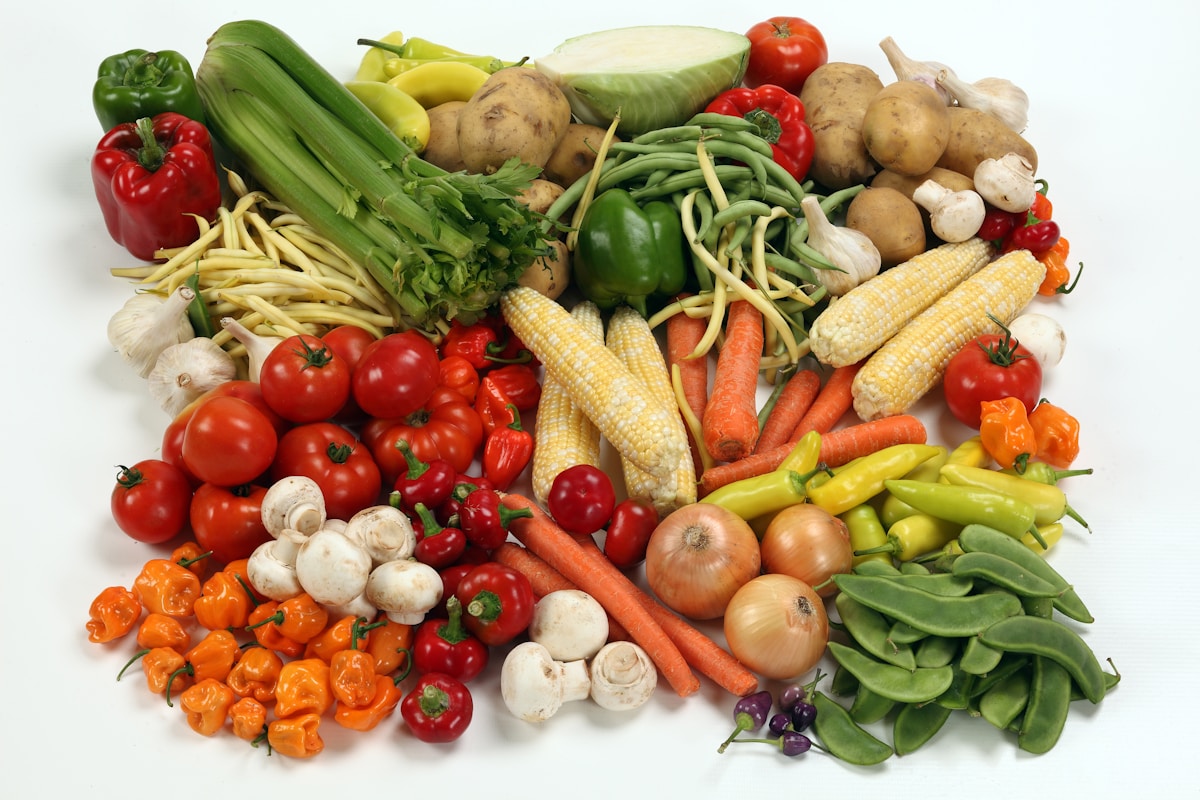
In questa guida su Container Gardening, troverai tutto quello che c’è da sapere. A guide for people who thought they didn’t have room for a garden — written by someone who once grew tomatoes in a pasta pot.
What You’ll Learn
- You can grow enough salad greens to skip the grocery store produce aisle — in two square feet of sunny balcony space.
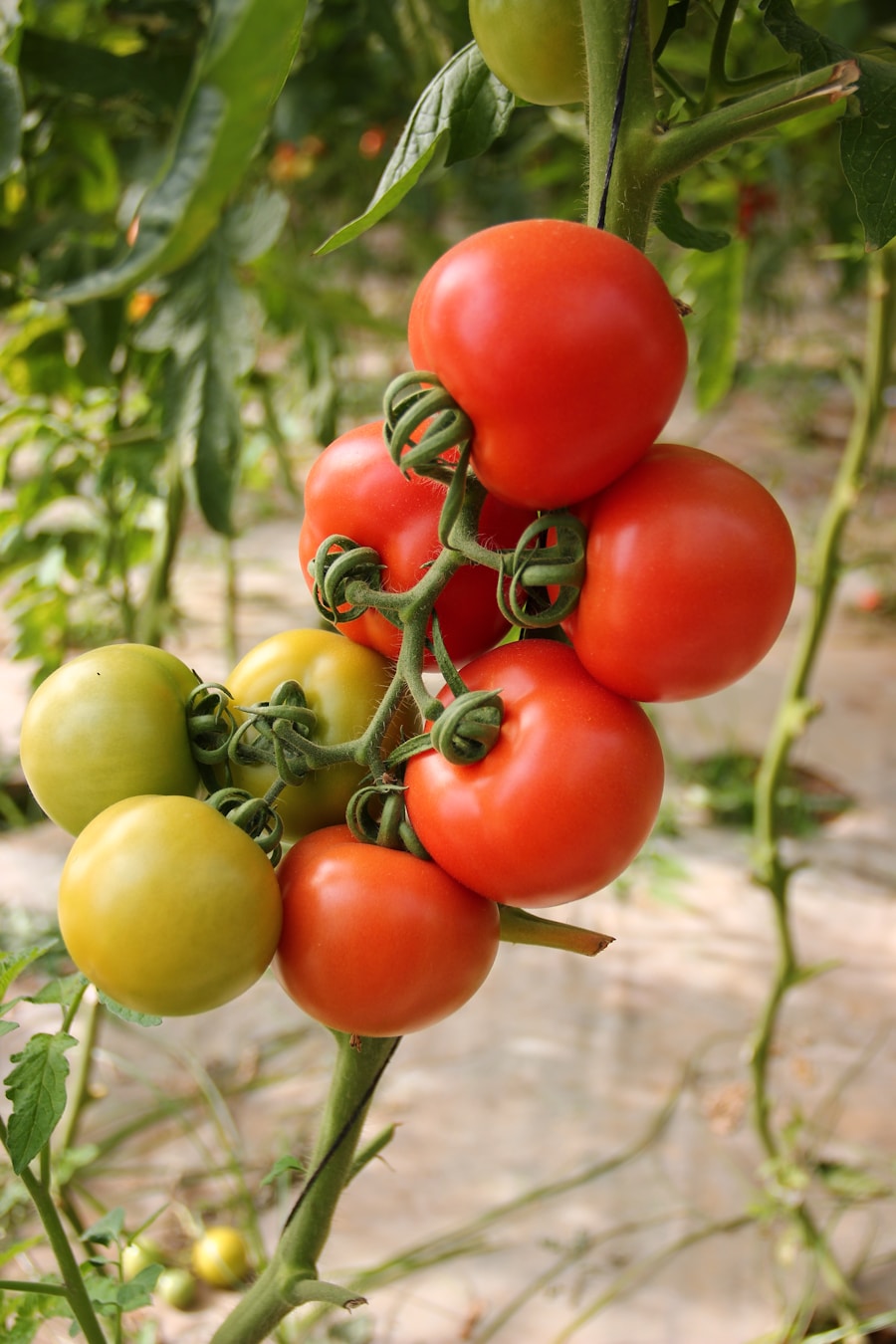
- A 5-gallon bucket (cost: $3) grows a tomato plant that produces 10+ pounds of fruit over a summer. That’s a 10x return on investment.
- The secret most guides skip: container soil dries out 2-3x faster than garden beds. Watering strategy is the #1 difference between thriving and dying.
- You don’t need fancy planters. Fabric grow bags, repurposed buckets, and even old laundry baskets work. The plants genuinely don’t care what container they’re in.
- This guide includes pot size charts for 15 vegetables, a DIY potting mix recipe, and honest advice about what works and what’s a waste of time in small spaces.
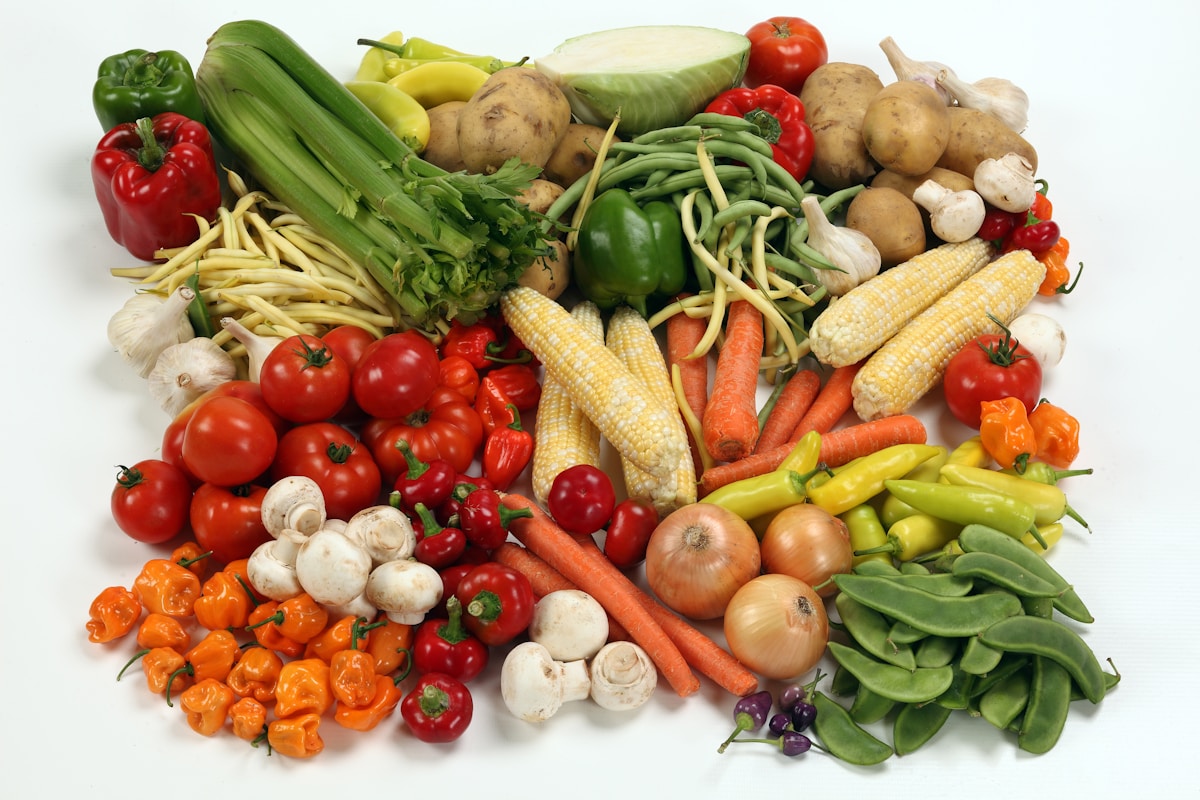
I grew my first tomato in a dented pasta pot I found at a thrift store for two dollars. I drilled four holes in the bottom with a masonry bit, filled it with potting mix, and stuck a cherry tomato seedling in it. That plant sat on a south-facing fire escape in a third-floor walkup, got watered every morning with a plastic cup, and produced so many tomatoes that I started leaving bags of them on my neighbors’ doors.
That was six years ago. Since then I’ve grown peppers, lettuce, herbs, beans, strawberries, carrots, kale, and potatoes — all in containers, all in spaces most people would walk past without thinking “garden.” My biggest harvest came from a 4-foot-wide strip of concrete patio behind a studio apartment. My smallest was a windowsill with three herb pots that saved me $15 a month in grocery store basil.
Container gardening isn’t a consolation prize for people without yards. It’s a legitimate, productive, deeply satisfying way to grow food. And in some ways, it’s actually easier than traditional gardening — no weeding, no soil-borne diseases, total control over soil quality, and you can pick up your garden and move it when the sun shifts.
Here’s everything I’ve learned — the stuff that works, the stuff that doesn’t, and the stuff I wish someone had told me before I killed my first three basil plants.
What’s Inside
- Why Container Gardening Actually Works
- Choosing Containers (Spoiler: Almost Anything Works)
- The Soil Mix That Makes or Breaks Everything
- The 15 Best Vegetables for Containers
- Watering: The Make-or-Break Skill
- Feeding Container Plants (They’re Hungry)
- Going Vertical: How to Triple Your Space
- 7 Container Gardening Mistakes I Made So You Don’t Have To
- The Realistic Balcony Garden Setup
- Frequently Asked Questions
Why Container Gardening Actually Works
People who garden in the ground sometimes look at container gardening like it’s the minor leagues. I get it. It seems limited. But here’s why container growers have some real advantages:
You control the soil. Your backyard might have clay, rocks, lead contamination, or whatever mysterious substance the previous owner buried. Containers start with fresh, perfect soil every time. No testing, no amending, no nasty surprises.
Fewer pest and disease problems. Most soil-borne diseases can’t reach your plants because they’re not in the ground. Root rot, nematodes, soil-dwelling grubs — all largely eliminated. You’ll still deal with aphids and the occasional caterpillar, but your pest control workload drops significantly.
You can chase the sun. In a traditional garden, if a tree grows and shades your tomatoes, you’re stuck. In containers, you pick up the pot and move it. Afternoon shade hitting your peppers? Slide them three feet to the left. This mobility is genuinely powerful, especially in small or partially shaded spaces.
Zero weeding. I cannot stress how wonderful this is. In six years of container gardening, I have pulled maybe a dozen weeds total. Compare that to the hours upon hours of weeding that traditional gardens demand. Container gardening gives you that time back.
Accessibility. Containers can sit on tables, benches, or elevated platforms. If bending or kneeling is difficult, container gardening brings the plants to you instead of demanding you go to them. It’s genuinely inclusive in a way that traditional gardens aren’t.
Choosing Containers (Spoiler: Almost Anything Works)
Let me save you some money right now: your containers don’t need to be pretty, expensive, or purpose-built. They need three things: sufficient size, drainage holes, and food-safe material. That’s the entire list.
Some of the most productive container gardens I’ve seen use 5-gallon buckets from hardware stores ($3-$5 each), fabric grow bags ($5-$8 for a 5-pack), and repurposed food-grade barrels. The plants don’t know the difference between a $3 bucket and a $45 decorative planter. They grow the same in both.
5-Gallon Bucket
The workhorse. Grows tomatoes, peppers, eggplant, cucumbers. Drill 4-6 drainage holes in the bottom. One plant per bucket.
Fabric Grow Bags
Air-prune roots for healthier plants. Great drainage. Folds flat for storage. 5-10 gallon sizes. My personal favorite for potatoes.
Terra Cotta Pots
Classic look. Breathable. Heavy = stable. Dries out faster than plastic (water more often). Cracks in freezing temps.
Wooden Crates / Boxes
Line with landscape fabric. Beautiful rustic look. Good for shallow crops like lettuce and herbs. Untreated wood only.
Repurposed Containers
Old laundry baskets (lined with fabric), storage totes, wine barrels. Anything food-safe with drainage holes works.
Self-Watering Planters
Built-in water reservoir reduces watering to every 2-3 days. Worth the premium if you travel or forget to water. Game-changer for busy people.
The Soil Mix That Makes or Breaks Everything
This is where most container gardening failures happen, and it’s completely preventable. Here’s the truth that no one tells beginners: do not use garden soil in containers. Ever.
Garden soil compacts in pots, drains poorly, holds too much moisture, and suffocates roots. It works in the ground because earthworms, insects, and root networks keep it loose. In a container, there’s none of that. Garden soil in a pot becomes a dense, waterlogged brick.
The Simple DIY Potting Mix
Mix equal parts of these three ingredients:
One-third quality compost. This provides nutrients and beneficial microbes. Use homemade compost (see our composting guide) or buy bagged compost. This is the “food” component.
One-third peat moss or coconut coir. This retains moisture while staying lightweight. Coir is the more sustainable option (peat bogs take centuries to regenerate). This is the “sponge” component.
One-third perlite or vermiculite. These white, lightweight particles create air pockets in the mix, ensuring roots get oxygen and excess water drains. This is the “breathing” component.
That’s it. Three ingredients, equal parts, mixed together. This produces a lightweight, well-draining, nutrient-rich mix that’s perfect for containers. A bag of each ingredient costs $8-$15 and fills 8-12 five-gallon containers. Per bucket, you’re looking at roughly $3-$5 in soil — significantly cheaper than buying pre-mixed potting soil.
The 15 Best Vegetables for Containers
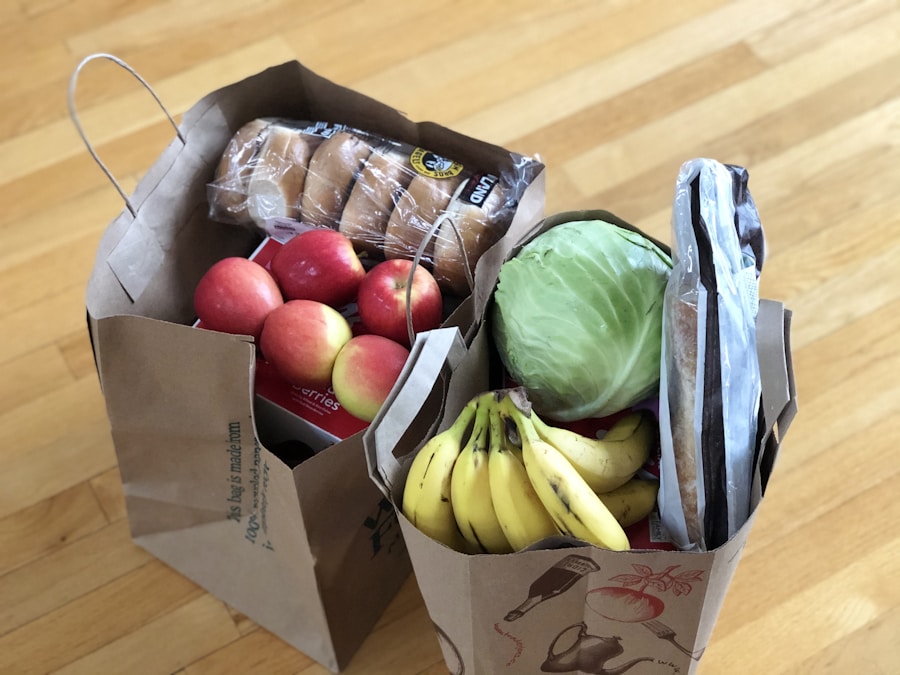
Not everything grows equally well in pots. The winners are compact varieties, shallow-rooted crops, and plants that don’t mind confined spaces. Here are the 15 that consistently deliver the best results in containers, ranked by how easy they are for beginners:
| Vegetable | Min. Pot Size | Sun Needed | Days to Harvest | Difficulty |
|---|---|---|---|---|
| Lettuce / Salad Greens | 6-8 inch, 2+ gal | 4-6 hours | 30-45 | Easiest |
| Radishes | 6 inch deep, 1+ gal | 6 hours | 22-30 | Easiest |
| Herbs (basil, parsley, chives) | 6-8 inch, 1+ gal | 6 hours | Ongoing | Easiest |
| Green Onions / Scallions | 6 inch, 1+ gal | 6 hours | 60-70 | Easiest |
| Bush Beans | 8-10 inch, 3+ gal | 6-8 hours | 50-60 | Easy |
| Cherry Tomatoes | 5+ gallon | 8 hours | 65-80 | Easy |
| Peppers (bell or hot) | 5+ gallon | 8 hours | 60-90 | Easy |
| Kale / Swiss Chard | 3+ gallon | 4-6 hours | 50-65 | Easy |
| Spinach | 6-8 inch, 2+ gal | 4-6 hours | 40-50 | Easy |
| Cucumbers (bush type) | 5+ gallon | 8 hours | 50-70 | Moderate |
| Strawberries | 8 inch, 2+ gal per plant | 6-8 hours | 60-90 | Moderate |
| Potatoes | 10+ gallon grow bag | 6-8 hours | 70-120 | Moderate |
| Carrots (short varieties) | 12 inch deep, 3+ gal | 6 hours | 60-80 | Moderate |
| Eggplant | 5+ gallon | 8 hours | 70-85 | Moderate |
| Zucchini (bush type) | 5+ gallon (1 plant!) | 8 hours | 45-55 | Moderate |
Watering: The Make-or-Break Skill
This is where I’m going to be really direct with you: watering is the single biggest challenge in container gardening, and if you’re not prepared for it, you’ll lose plants.
Containers dry out dramatically faster than in-ground gardens. A 5-gallon pot in full summer sun can go from moist to bone-dry in 24 hours. On the hottest days, some containers need watering twice. This catches every beginner off guard because it’s not what you read in most gardening books (which assume you’re growing in the ground).
The Daily Routine
Check every container every day. Stick your finger two inches into the soil. If it’s dry at that depth, water immediately. If it’s still moist, check again tomorrow. In summer heat, you’ll be watering most containers daily — sometimes twice for small pots or thirsty plants.
Water deeply until it runs out the drainage holes. Shallow watering encourages shallow roots, making plants even more drought-vulnerable. Soak the entire root zone, let excess drain, and empty saucers after 30 minutes so roots don’t sit in standing water.
Water in the morning. This gives plants moisture to work with during the hottest hours. Evening watering is fine in a pinch, but morning is consistently better for plant health.
Solutions for Busy People
If daily watering sounds unsustainable (it does for many people), here are real solutions:
Self-watering containers have a built-in reservoir that wicks water up to roots as needed. They extend the time between waterings to every 2-4 days. They cost more ($15-$40 each) but the convenience is transformative, especially if you travel or have a demanding schedule.
Drip irrigation on a timer is the ultimate automation. Connect ¼-inch drip line from a main hose to each container, add a $25 battery timer, and your containers water themselves every morning at 6 AM. Our drip irrigation guide covers the full setup. It works beautifully for container gardens and takes about an hour to install.
Mulch the surface of every container with 1-2 inches of straw, wood chips, or shredded leaves. This slows evaporation by 30-50% and keeps soil temperatures stable. It’s free, takes two minutes per pot, and makes a measurable difference.
Feeding Container Plants (They’re Hungry)
Here’s something that surprises people: container plants need feeding much more frequently than in-ground plants. Every time you water, nutrients wash out through the drainage holes. In the ground, roots access nutrients from a huge volume of soil. In a pot, the soil volume is tiny and nutrients deplete fast.
Feed weekly during the growing season with a liquid organic fertilizer diluted to half strength. Alternatively, mix slow-release organic granules into the soil at planting time — they feed plants for 3-4 months. A combo approach (slow-release at planting + liquid feed every two weeks) gives the best results.
A balanced fertilizer (5-5-5 or 10-10-10 NPK) works for most vegetables. For tomatoes and peppers, switch to a higher-phosphorus formula once they start flowering to encourage fruit production.
Signs of nutrient deficiency: pale or yellowing leaves (nitrogen), poor flowering or fruiting (phosphorus), weak stems or brown leaf edges (potassium). If you see these signs, increase your feeding frequency.
Going Vertical: How to Triple Your Space
The biggest limitation of container gardening is horizontal space. The solution? Think vertically. A 4-foot-wide balcony has 4 feet of floor space but 7+ feet of vertical space above it. Use that vertical real estate and you’ve effectively tripled your garden.
Trellises in containers. Push a small trellis or cage into a large pot and grow vining crops upward: pole beans, cucumbers, small pumpkins, even cherry tomatoes on strings. A single 5-gallon bucket with a 4-foot trellis produces the same amount of beans as a 10-foot row in the ground.
Wall-mounted planters. Hang planters on fences, walls, and railings for lettuce, herbs, strawberries, and small greens. These use zero floor space. Window boxes on balcony railings are the prime real estate of small-space gardening — maximum sun exposure, no floor footprint.
Tiered shelving. A simple 3-tier plant shelf on a sunny patio wall creates nine pot positions in a 2-foot-wide footprint. Use the top shelf for herbs (which need less root depth) and the bottom for larger vegetables.
Hanging baskets. Trailing strawberries, cherry tomatoes (‘Tumbling Tom’ variety), and herbs grow beautifully in hanging baskets. They look gorgeous and they’re completely out of the way of foot traffic.
7 Container Gardening Mistakes I Made So You Don’t Have To
I’m sharing these because I want you to skip the frustration I went through. Every one of these cost me plants, money, or both.
❌ Mistake #1: Pots That Were Way Too Small
I tried growing a tomato in a 2-gallon pot because it looked big enough when the plant was a seedling. By July, the plant was root-bound, constantly wilting, and barely producing. Tomatoes need 5 gallons minimum. Peppers too. There’s no shortcut here.
✅ Fix: Always check minimum pot sizes (see the table above). When in doubt, go one size bigger.
❌ Mistake #2: Using Garden Soil in Containers
First year. Dug up soil from the yard. Filled my pots. The soil compacted into concrete, drained terribly, and my plants rotted from the roots up. I lost everything.
✅ Fix: Use potting mix — never garden soil. Mix your own or buy quality pre-mixed. This is non-negotiable.
❌ Mistake #3: No Drainage Holes
Bought a beautiful ceramic pot. No holes in the bottom. Was too lazy to drill them. Used it anyway. The plant drowned in two weeks of rainy weather. Waterlogged roots = dead roots.
✅ Fix: Every container needs drainage holes. No exceptions. Drill them if they’re not there.
❌ Mistake #4: Underestimating Summer Watering Needs
Already told this story above. Went away for three days in July. Came back to crispy, dead plants. Containers in full sun can dry out completely in 24-48 hours during a heatwave.
✅ Fix: Set up drip irrigation with a timer. Or find a garden-sitter. Or use self-watering containers. Plan for this before it’s an emergency.
❌ Mistake #5: Planting Too Many Things in One Pot
Crammed a tomato, a pepper, and two basil plants into a single 5-gallon bucket. They fought for water, nutrients, and root space all summer. Everything underperformed. None of them produced well.
✅ Fix: One large plant per 5-gallon container. You can companion plant smaller herbs around a single larger plant, but don’t crowd two heavy feeders in one pot.
❌ Mistake #6: Forgetting to Fertilize
Assumed the potting mix had “enough” nutrients. It did — for about 3-4 weeks. After that, the plants started yellowing and growth stalled. Container soil gets depleted fast because every watering flushes nutrients out the bottom.
✅ Fix: Feed weekly with liquid fertilizer or use slow-release granules at planting. Container plants are hungry and they need regular meals.
❌ Mistake #7: Giving Up After One Bad Season
My first year was rough. Dead plants, tiny harvests, frustration. I almost quit. But the second year, armed with everything I’d learned from failing, was completely different. Huge tomato harvests. Lettuce salads every day. Herbs overflowing. The learning curve is steep at first but incredibly short.
✅ Fix: Every failed plant teaches you something. Write down what happened and why. The second season is always better than the first.
The Realistic Balcony Garden Setup
Let me give you a concrete, copy-this-exactly setup for a standard apartment balcony. This assumes a south or west-facing balcony about 4 feet wide by 8 feet long — typical for most apartments.
On the floor (3 large containers): One 5-gallon bucket with a cherry tomato plant and a cage. One 5-gallon bucket with a pepper plant. One 5-gallon grow bag with potatoes. These are your big producers — the heavy hitters that supply the most food per season.
On the railing (2-3 railing planters): Lettuce and salad greens in one. Herbs (basil, parsley, chives) in another. Trailing strawberries in the third if there’s room. These get maximum sun and zero floor space.
On a small shelf against the wall: 3-4 smaller pots with radishes, green onions, spinach, and additional herbs. Stack them vertically to use wall space instead of floor space.
Total investment: $50-$100 for containers, soil, and seedlings. Total space used: about 6 square feet of floor space plus vertical space. Expected harvest over a season: 10-15 lbs of tomatoes, 3-5 lbs of peppers, 5-8 lbs of potatoes, ongoing lettuce for salads, unlimited fresh herbs, plus radishes, onions, and possibly strawberries.
That’s real food. From a balcony. For the cost of three restaurant meals.
🌱 Keep Building Your Garden Knowledge
📦 Raised Garden Beds Guide — when you’re ready to go bigger
🍅 How to Grow Tomatoes — the #1 container crop, in depth
🌿 Herb Garden Guide — the perfect container companions
🌻 Companion Planting Chart — what to pair in your pots
🪱 Composting Guide — make your own potting mix ingredient
💧 Drip Irrigation — automate your container watering
🛡️ Organic Pest Control — keep container plants healthy
🥬 Complete Vegetable Garden Guide — the full picture
Frequently Asked Questions
Can I really grow enough food in containers to make a difference?
A realistic container garden (6-10 containers) on a sunny balcony or patio can produce 30-50+ pounds of fresh produce over a growing season. That won’t replace your entire grocery bill, but it meaningfully supplements it — especially for expensive items like cherry tomatoes ($4-$5/pint), fresh herbs ($3-$4/package), and specialty peppers. Many container gardeners report saving $200-$500 per season on produce while eating significantly fresher and better-tasting food.
How often do I really need to water container plants?
In spring and fall: every 2-3 days for most containers. In summer heat: daily for most, twice daily for small pots and thirsty plants like tomatoes. The finger test (dry at 2 inches = water now) is more reliable than any schedule because it accounts for weather, pot size, and plant size. Self-watering containers extend intervals to every 3-5 days. A drip system on a timer eliminates the question entirely.
What grows well in shade or partial sun?
Lettuce, spinach, kale, Swiss chard, arugula, and most herbs (parsley, cilantro, chives, mint) can produce well with 4-6 hours of sun. They won’t grow as fast as they would in full sun, but they’ll still give you a harvest. Fruiting crops (tomatoes, peppers, cucumbers, beans) genuinely need 6-8 hours and won’t produce well in shade — there’s no hack around this.
Can I reuse potting mix from last year?
Yes, with refreshing. Old potting mix loses nutrients and structure over a season. Revive it by mixing 50% old soil with 25% fresh compost and 25% fresh perlite. Add slow-release organic fertilizer. This is cheaper than buying all-new mix and works perfectly well. Replace entirely every 3-4 years or if you had disease problems in the previous season.
Is my balcony strong enough for container gardening?
A 5-gallon container filled with wet soil and a mature plant weighs about 40-50 pounds. Most residential balconies support 50-100 lbs per square foot — meaning you’d need a LOT of containers to approach the weight limit. That said, distribute weight evenly rather than clustering all containers in one corner. If you have concerns about an older or smaller balcony, check with your building management.
What do I do with containers over winter?
In cold climates: dump spent soil onto a compost pile or garden bed. Clean containers with a diluted bleach solution (10%). Store terra cotta pots indoors or upside-down under cover (they crack if water freezes inside them). Fabric grow bags fold flat for storage. Perennial herbs like rosemary and thyme can be brought indoors to a sunny windowsill for winter growing. Everything else restarts from fresh each spring.
Per approfondire: Container Gardening – Wikipedia