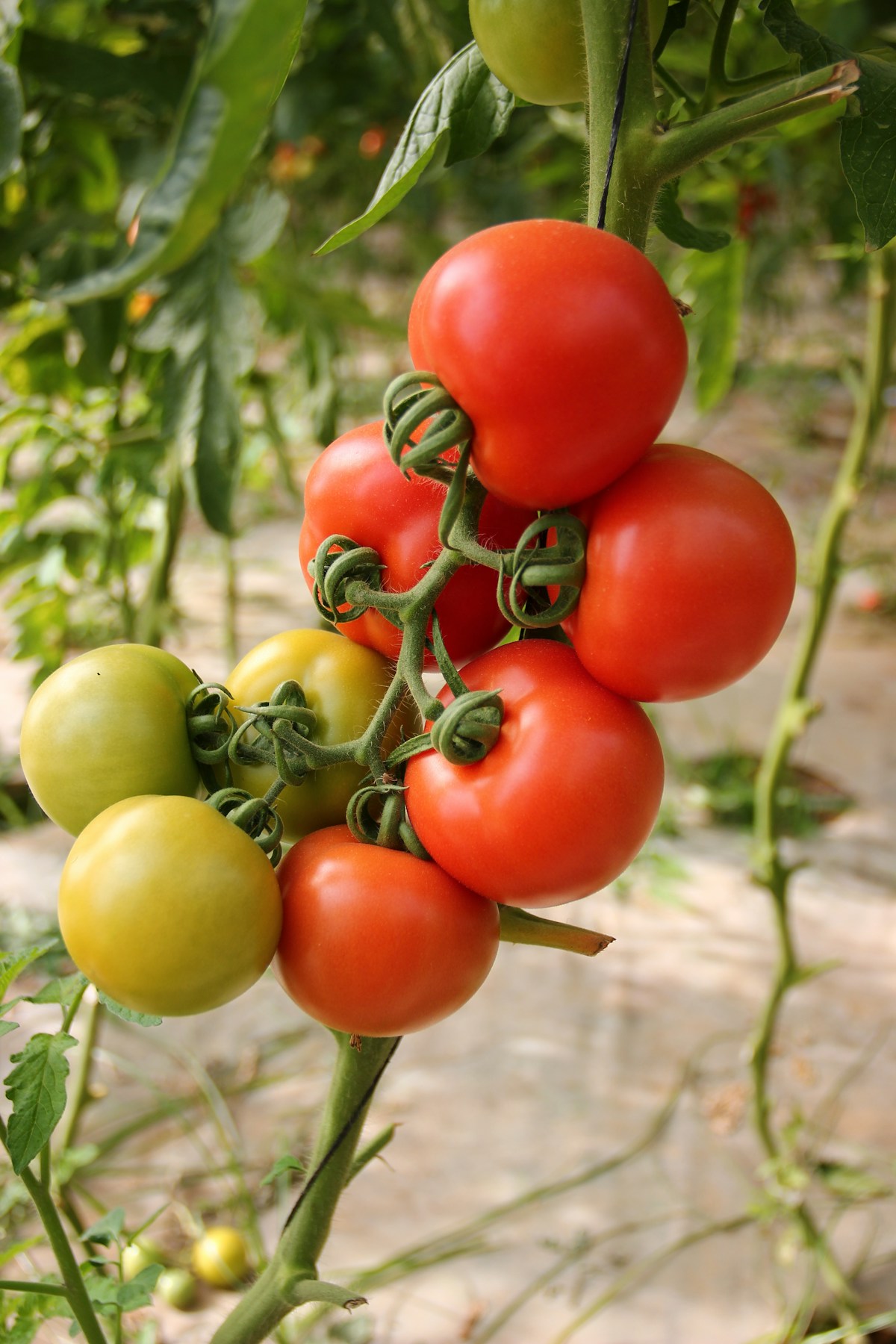
Growing tomatoes in containers is not a consolation prize for gardeners without yard space. It is a legitimate technique that produces outstanding fruit when done correctly. Container tomatoes often ripen faster because sun-heated soil in pots creates a warm microclimate tomatoes love. They suffer fewer soil-borne diseases because fresh potting mix is sterile. And they place your harvest at convenient picking height on patios, decks, and balconies.
The difference between a struggling container tomato and one that yields 15 to 20 pounds of fruit comes down to five controllable factors: variety selection, container size, soil quality, consistent watering, and proper nutrition. Get these five elements right and your container tomatoes will rival any backyard garden.
Key Takeaways
- Determinate (bush) varieties bred for containers produce reliably without extensive staking or complex pruning
- Container size is the number one yield predictor: a 10-gallon pot produces roughly twice the fruit of a 5-gallon pot
- Consistent watering prevents blossom end rot and fruit cracking, the two most common container tomato problems
- Feed container tomatoes weekly with diluted liquid fertilizer once fruits begin forming
- One well-grown plant produces 10 to 20 pounds of fruit over a growing season
Choosing the Right Varieties
Determinate vs. Indeterminate
Determinate tomatoes grow to a fixed size (2 to 4 feet), set fruit over a concentrated period, and need minimal pruning. They are purpose-built for containers. Indeterminate tomatoes grow indefinitely to 6 to 10 feet, need substantial support and regular pruning. While possible in large containers (15+ gallons), beginners should start with determinate varieties.
Best Container Varieties
Cherry and grape (easiest): Tumbling Tom cascades perfectly in hanging baskets. Tiny Tim is a miniature plant (12 to 15 inches) covered in intensely sweet fruit, perfect for windowsills. Sweet Million produces hundreds of cherries per plant. Sungold is widely considered the best-tasting cherry tomato ever bred.
Slicer (medium difficulty): Patio Princess is bred specifically for containers producing full-size slicers. Bush Early Girl delivers classic tomato flavor on a 24-inch plant. Better Bush grows to 4 feet producing excellent 8-ounce fruits but needs a 10-gallon minimum container.
Container Size and Setup
More soil volume means more root space, better moisture retention, and more fruit. A 3-gallon pot supports only dwarf varieties. A 5-gallon pot is the minimum for standard varieties. A 10-gallon pot is optimal for most varieties. A 15 to 20-gallon pot provides luxury growing for maximum production.
Fabric grow bags in 10-gallon size offer excellent performance, affordability, and portability with superior drainage and air pruning of roots.
The Perfect Container Tomato Soil
Start with premium potting mix and enrich it: per 5 gallons add 1 cup worm castings or finished compost, 2 tablespoons slow-release tomato fertilizer, and optionally crushed eggshells for calcium. Plant transplants deeply by burying two-thirds of the stem. Tomatoes root along buried stems, creating much stronger root systems.
Sun, Water, and Feeding
Light: Minimum 6 to 8 hours direct sunlight daily. Fewer than 6 hours means leggy plants and poor fruit set. If borderline (5 to 6 hours), choose cherry varieties which are more tolerant.
Watering: Inconsistent moisture causes blossom end rot (dark spots on fruit bottoms) and fruit cracking. Water deeply until water flows from drainage holes. Expect daily watering for 10-gallon pots in summer. Self-watering containers are transformative for tomatoes because consistent moisture virtually eliminates both problems.
Feeding: Container tomatoes exhaust soil nutrients within 4 to 6 weeks. Mix slow-release fertilizer at planting. From first flowers onward, feed weekly with half-strength liquid tomato fertilizer higher in phosphorus and potassium.
Support and Pruning
Install cages, stakes, or obelisk supports at planting time before roots establish. For determinate varieties, remove suckers below the first flower cluster but leave upper suckers. For indeterminate varieties, prune suckers to maintain 1 to 2 main stems for fewer but larger fruits.
Common Problems
Blossom end rot: Dark spots on fruit bottoms from inconsistent watering disrupting calcium uptake. Water consistently, mulch surfaces, add calcium at planting.
Flowers dropping: Temperature stress. Tomatoes drop blossoms when nights fall below 55 degrees or days exceed 95 degrees. Move containers to shelter during extremes. Shake plants gently to aid pollination in still air.
Aphids and whiteflies: Most common container tomato pests. Strong water spray removes 80 percent of aphids. For persistent problems, neem oil spray provides organic control.
Frequently Asked Questions
How many plants per container?
One plant per container regardless of size. Even in a 20-gallon pot, one well-fed tomato outproduces two crowded plants competing for resources.
When to plant?
After all frost danger passes and nights consistently stay above 50 degrees. Most zones: mid-May through early June. Start seeds indoors 6 to 8 weeks earlier, or buy transplants.
How long do they produce?
Determinate varieties produce heavily for 4 to 6 weeks then decline. Indeterminate varieties continue until frost, often 3 to 4 months of harvest. Extend the season by moving containers under cover during early fall frosts.
Can I grow tomatoes indoors?
Possible with strong full-spectrum LED grow lights running 14 to 16 hours daily. Compact cherry varieties like Tiny Tim are most practical for indoor growing.