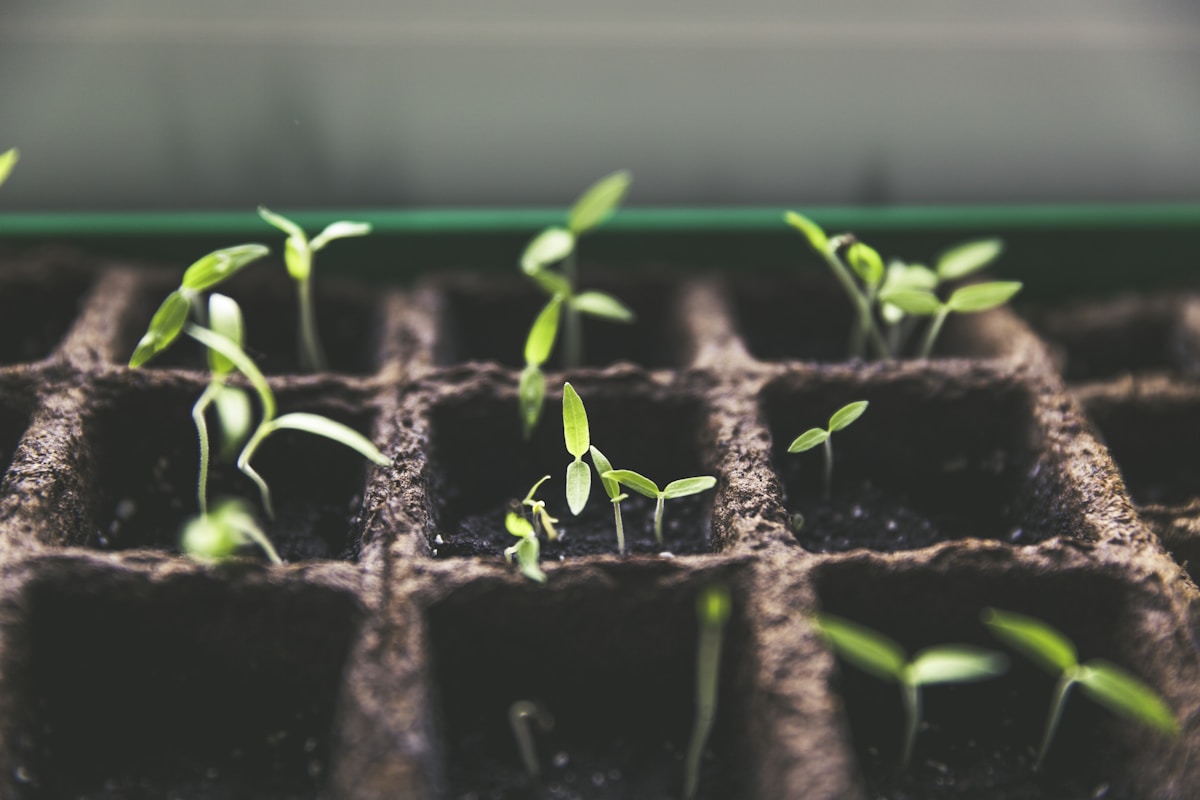
Fresh herbs transform everyday cooking from routine to remarkable. The difference between dried oregano from a jar and a leaf of fresh oregano torn over a pizza moments before eating is a difference that, once experienced, you never forget. Yet most apartment dwellers assume growing herbs requires a garden, a green thumb, or at least more space than their kitchen offers.
The truth is simpler and more encouraging. A sunny windowsill, a small balcony corner, or even a countertop with a basic grow light provides everything culinary herbs need to thrive. A handful of pots containing basil, parsley, cilantro, rosemary, and mint costs under $20 to set up and saves $150 to $300 annually in grocery store herb purchases.
Key Takeaways
- A windowsill herb garden with 5 essential herbs saves $150 to $300 per year
- Most culinary herbs need just 4 to 6 hours of direct sunlight
- Group herbs by water needs: moisture-lovers together, drought-tolerant types separately
- Harvest by cutting stems rather than picking individual leaves for bushier growth
- A $30 to $50 LED grow light extends growing options to any room
The 10 Best Herbs for Small Space Growing
Tier 1: Start With These Five
Basil is the undisputed king of kitchen herbs. Sweet Genovese for Italian cooking, Thai basil for Asian dishes, and lemon basil for seafood each bring their own character. Basil demands warmth (above 60 degrees), bright light (6 or more hours), and regular harvesting. Pinch flowers the moment they appear because flowering signals the plant to stop leaf production. A single well-maintained basil plant in a 10-inch pot produces prolifically for 4 to 6 months.
Parsley improves virtually everything savory. Italian flat-leaf delivers bold flavor for chimichurri, tabbouleh, and pasta. Curly parsley adds fresh crunch as garnish. Parsley tolerates partial shade (4 hours of sun) and cooler temperatures. As a biennial, a single plant produces for two full years.
Cilantro challenges many growers because it bolts quickly in warmth. The secret is succession planting: sow seeds every 3 weeks. Cilantro prefers cooler spots and partial shade. When it bolts, the seeds are coriander, a useful spice.
Mint grows with almost zero effort in any light condition. Always grow mint in its own container because it spreads aggressively. Peppermint for tea and spearmint for cooking are the two most useful varieties.
Chives are practically indestructible. They tolerate low light, irregular watering, and serious neglect. Beautiful purple flowers appear in spring and are also edible. A single pot lasts for years.
Tier 2: Add These When Ready
Rosemary thrives in sunny, dry conditions. Give it the sunniest window, water only when soil dries completely, and it rewards you with intensely aromatic needles for roasted meats and focaccia.
Thyme shares rosemary preferences for sun and dry conditions. Lemon thyme adds citrus notes to fish and chicken. Both types are extremely drought-tolerant.
Oregano is essential for Mediterranean and Mexican cooking. Greek oregano offers the strongest flavor. Like mint, it can be aggressive, so give it its own container.
Sage produces beautiful velvety leaves with complex aroma for poultry, pork, and brown butter dishes.
Dill adds feathery texture for fish, pickles, and yogurt sauces. It grows tall (2 to 3 feet) so needs a deeper pot.
Arranging Herbs by Light and Water Needs
Group 1 – Moisture Lovers: Basil, parsley, cilantro, chives, dill, and mint. These prefer consistently moist soil and richer potting mix. They share containers beautifully.
Group 2 – Mediterranean Drought Lovers: Rosemary, thyme, oregano, sage, and lavender. These need fast-draining sandy soil and infrequent watering.
Never plant Group 1 and Group 2 herbs in the same container. A mixed planter of basil and rosemary forces a watering compromise that satisfies neither.
Containers and Soil
For moisture-loving herbs, use premium potting mix. Pots should be 6 to 10 inches with drainage holes. Self-watering planters work exceptionally well for Group 1.
For Mediterranean herbs, amend potting mix with 30 to 40 percent extra perlite or coarse sand. Terracotta pots are ideal because they allow soil to dry between waterings.
Light Solutions for Every Apartment
South-facing windows provide 6 to 8 hours supporting every herb. West-facing deliver 4 to 6 hours for most herbs. East-facing offer 3 to 5 hours for parsley, cilantro, chives, and mint. North-facing need grow lights.
If windows provide fewer than 4 hours, LED grow lights solve the problem. Position 6 to 12 inches above herbs, run 12 to 16 hours daily on a timer.
Harvesting Techniques
Basil: Pinch stems above a leaf pair. Two new branches grow from the cut point. Parsley and cilantro: Cut outer stems at the base. Rosemary, thyme, oregano: Snip stem tips 3 to 4 inches. Mint: Harvest aggressively. Chives: Cut to 2 inches; regrows in 2 to 3 weeks.
Common Indoor Herb Problems
Leggy, pale herbs: Insufficient light. Move closer to windows or add a grow light.
Wilting despite moist soil: Root rot. Check drainage holes. Repot in fresh soil if roots are brown.
Tiny flies around pots: Fungus gnats. Allow top inch to dry between waterings. See our fungus gnat guide.
Frequently Asked Questions
Can I grow herbs indoors year-round?
Yes, with adequate light. Supplement with grow lights during shorter winter days.
Which herbs grow best together?
Group by water needs. Basil, parsley, cilantro share well. Rosemary and thyme are dry-soil companions.
How long do indoor herbs last?
Basil: 4 to 8 months. Parsley: up to 2 years. Cilantro: 4 to 8 weeks. Mint: indefinitely. Rosemary: years. Chives: indefinitely.
Do indoor herbs need fertilizer?
Yes, sparingly. Half-strength liquid fertilizer every 3 to 4 weeks during active growth.