Fall Planting è un argomento fondamentale che merita un’analisi approfondita. Standing in your garden in July, watching summer crops ripen, most gardeners never imagine planting again until next spring. This mindset surrenders fall’s incredible potential—often the most productive and rewarding gardening season. Here’s what experienced fall gardeners know: autumn planting frequently outperforms spring efforts with fewer pests, more predictable weather, superior flavor development, and extended harvests that carry into winter.
Fall gardening represents the secret second season that 70% of home gardeners completely miss. “Frost Date minus Number of Days to Maturity minus 2 Weeks Buffer Zone equals your Planting Date,” explains garden designer Nicole Burke, providing the simple formula that unlocks fall success. Research confirms fall’s advantages: brassicas planted in August develop 30% less pest damage than spring plantings, root vegetables achieve superior sweetness after frost exposure, and properly timed fall crops extend fresh harvests 8-12 weeks beyond summer’s end.gardenary+1
This comprehensive guide reveals exactly what to plant in fall, when to plant it by zone, and how to maximize both vegetable harvests and ornamental beauty through autumn and into winter. Whether you’re growing food, flowers, or both, you’ll discover zone-specific timing formulas, variety recommendations, soil preparation techniques, and troubleshooting strategies transforming fall from garden’s end into its most satisfying season.
📑 Indice dei Contenuti
- Key Takeaways
- Table of Contents
- Understanding Fall Planting Timing
- The Fall Planting Formula
- Zone-Specific Planting Windows
- Adjusting for Microclimates
- Best Fall Vegetables by Category
- Brassicas: Fall's Star Performers
- Leafy Greens for Continuous Salads
- Root Vegetables That Sweeten with Cold
- Fall-Planted Herbs and Alliums
- Cool-Season Flowers for Autumn Color
- Mums: The Iconic Fall Flower
- Pansies and Violas for Cool-Weather Cheer
- Ornamental Cabbage and Kale
- Cool-Season Annuals
- Spring-Blooming Bulbs: Fall Planting Essentials
- Understanding Bulb Planting Timing
- Tulips: Spring's Showstoppers
- Daffodils and Narcissus
- Layering Bulbs for Continuous Bloom
- Fall Soil Preparation and Amendments
- Clearing and Initial Preparation
- Amending for Cool-Season Success
- Adding Nutrients for Fall Crops
- Mulching for Fall and Winter
- Caring for Fall-Planted Gardens
- Watering Fall Gardens
- Managing Pests and Diseases
- Fertilizing Through Fall
- Protecting from Early Frosts
- Extending Fall Harvests into Winter
- Cold Frames for Winter Harvests
- Row Covers and Low Tunnels
- Mulch Harvesting for Root Vegetables
- Succession Harvesting Strategies
- Why Fall Planting Often Beats Spring
- Cooler Temperatures Reduce Stress
- Fewer Pests and Diseases
- Superior Flavor Development
- Stronger Root Systems for Perennials
- Extended Harvests and Planning Flexibility
- Conclusion: Embracing Fall's Garden Potential
Key Takeaways
- Fall vegetables often outperform spring plantings with 30-40% fewer pest problems and superior cold-enhanced flavors
- Calculate fall planting dates using: First Frost Date – Days to Maturity – 14 days buffer = Planting Date
- Brassicas (broccoli, cabbage, kale) planted July-August provide September-November harvests in most zones
- Spring-blooming bulbs must be planted in fall (September-November) before ground freezes for next year’s display
- Fall-planted perennials, trees, and shrubs establish stronger root systems than spring plantings due to warm soil and cool air
Table of Contents
- Understanding Fall Planting Timing
- Best Fall Vegetables by Category
- Cool-Season Flowers for Autumn Color
- Spring-Blooming Bulbs: Fall Planting Essentials
- Fall Soil Preparation and Amendments
- Caring for Fall-Planted Gardens
- Extending Fall Harvests into Winter
- Why Fall Planting Often Beats Spring
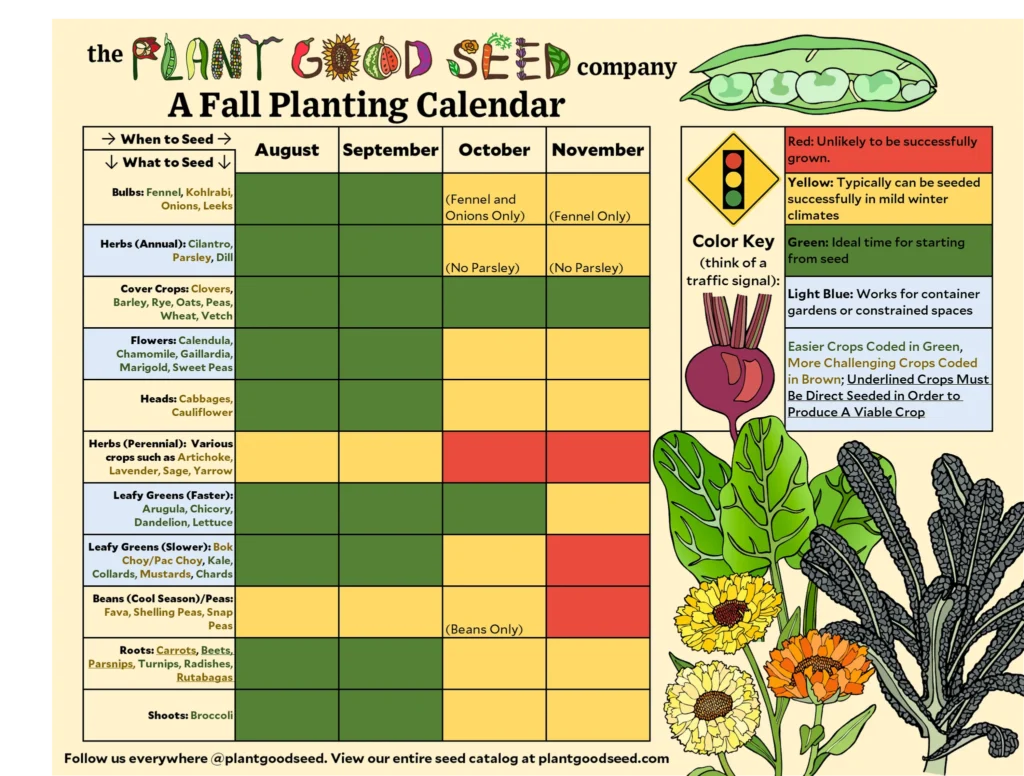
Understanding Fall Planting Timing
Fall planting timing confuses many gardeners, but a simple formula eliminates guesswork and ensures proper scheduling for your specific climate zone.
The Fall Planting Formula
Calculate your fall planting dates using this proven method: First Frost Date – Days to Maturity – 14-Day Buffer = Planting Date. This formula accounts for fall’s shorter, cooler days that slow growth compared to spring’s lengthening, warming conditions.gardenary+1
Find your first frost date using zip code search tools from USDA or local extension offices. This represents the average date when temperatures first drop to 32°F or below—your fall planting countdown anchor. Zone 5-6 typically sees first frost mid-October. Zone 7-8 experiences first frost late October to early November. Zone 9-10 frost arrives December or later.epicgardening
Check seed packets for “days to maturity”—this number tells you how long crops need from planting to harvest under ideal spring conditions. Add 14 days (the “fall factor”) because autumn’s decreasing daylight and cooling temperatures slow growth 15-20% compared to spring. This buffer prevents crops from getting caught immature by hard freezes.awaytogarden+1
Example calculation for Zone 6 (October 15 first frost): Broccoli needs 60 days from transplant to harvest. 60 + 14 = 74 days. Count 74 days backward from October 15 = August 2. Transplant broccoli by August 2 for harvest before frost.gardenary
Zone-Specific Planting Windows
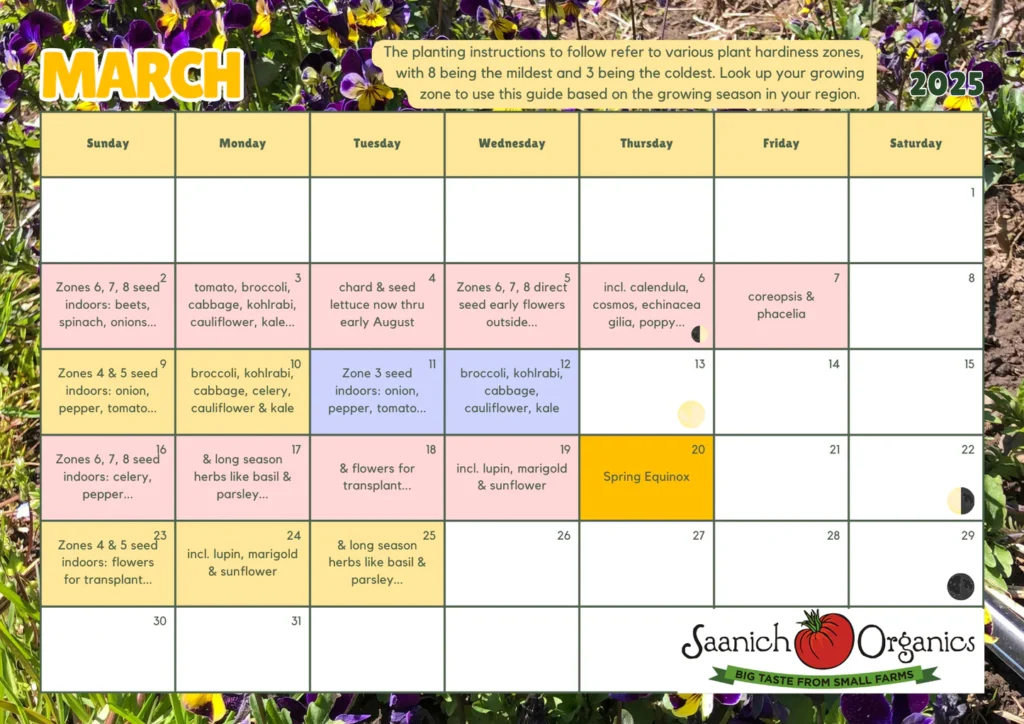
Northern gardeners (Zones 3-5) face the tightest windows with September-early October frosts. Begin fall plantings in July for any crop requiring more than 50-60 days. Focus on fast-maturing greens (lettuce, arugula, spinach) and quick root crops (radishes). Brassica transplants must go in by late July to early August. Even with perfect timing, expect to use season extenders for meaningful fall harvests.awaytogarden+1
Mid-latitude gardeners (Zones 6-7) enjoy the sweet spot for fall gardening with late October-November frosts. Plant through August and early September for full fall harvests. Brassicas transplant through mid-August. Direct sow lettuce, spinach, and root crops through early September. This extended window allows diverse crop selection and substantial production.phsonline+1
Southern gardeners (Zones 8-10) have the widest fall planting windows extending into September-October. Many crops planted in fall grow continuously through winter in these mild climates. Fall gardens often transition seamlessly into winter gardens providing harvests through February-March. Focus on heat-tolerant varieties for plantings before temperatures moderate.phsonline+1
Adjusting for Microclimates
Your garden’s specific microclimate can shift effective planting dates 7-14 days from regional averages. South-facing locations and urban heat islands experience frost 7-10 days later than exposed rural areas, extending planting windows. Valley bottoms and frost pockets freeze 7-14 days earlier than surrounding higher ground—adjust planting earlier in these areas.epicgardening
Raised beds warm faster in spring but also cool faster in fall. Their elevated position exposes them to more air circulation, making them slightly more frost-prone than ground-level beds. However, they drain better during fall’s wet weather, often outweighing frost vulnerability. Consider covering raised beds with row covers during frost warnings.gardeners
Track your actual frost dates over multiple years. Your property’s first frost might consistently occur 5-10 days different from regional average. After 2-3 years of observations, adjust the formula using your property-specific frost date for more accurate fall planting schedules.epicgardening
Best Fall Vegetables by Category
Fall vegetables divide into categories based on growth habit, temperature tolerance, and harvest timing—understanding these groups helps plan diverse, productive autumn gardens.
Brassicas: Fall’s Star Performers
The brassica family (cabbage, broccoli, cauliflower, kale, collards, Brussels sprouts) absolutely thrives in fall’s cool temperatures. These crops actually require cold exposure for best flavor and performance—attempting them in summer heat leads to failure in most climates. Fall brassicas develop sweeter, more tender leaves and heads than spring plantings while experiencing 60-70% less pest pressure.gardenary+1
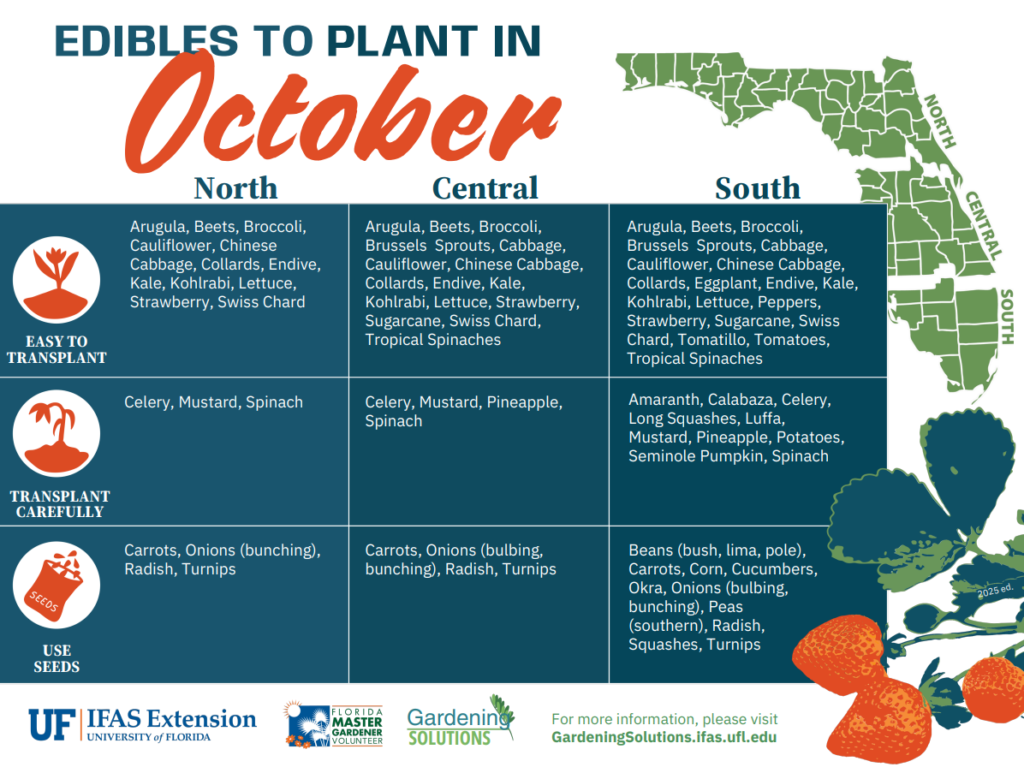
Broccoli transplants go in the garden 10-12 weeks before first frost (typically late July-August). Start seeds indoors 4-6 weeks before transplanting. ‘Calabrese’ produces large central heads plus abundant side shoots. ‘Di Cicco’ specializes in side shoot production, providing smaller heads over 6-8 weeks. Both varieties handle light frosts admirably, continuing production into November in zones 6-8.gardendesign+1
Kale reigns as fall’s most reliable vegetable—cold-hardy to 10-15°F, continuously productive, and dramatically improving in flavor after frost exposure. Plant kale 8-10 weeks before first frost for mature plants by autumn. ‘Lacinato’ (dinosaur kale) and ‘Red Russian’ tolerate both fall planting and eventual winter cold better than curly varieties. Harvest outer leaves continuously while allowing plants to regenerate—single plantings produce for 6-8 months.gardendesign+1
Cabbage for fall includes both standard and Asian varieties. Standard cabbage (60-90 days from transplant) goes in 12-14 weeks before frost. ‘Golden Acre’ and ‘Early Jersey Wakefield’ mature quickly. Napa cabbage matures faster (50-60 days), perfect for tighter timing windows. Plant Napa cabbage 8-10 weeks before frost. Both types withstand multiple light frosts, continuing to size up until hard freezes arrive.homesandgardens+1
Brussels sprouts require the longest season (90-110 days from transplant) but reward patience with incredibly sweet sprouts after frost. Plant transplants in mid-July for November-December harvests. ‘Long Island Improved’ and ‘Catskill’ suit most regions. Brussels sprouts actually improve with cold exposure—many gardeners wait until after several frosts before main harvest.gardendesign
Leafy Greens for Continuous Salads
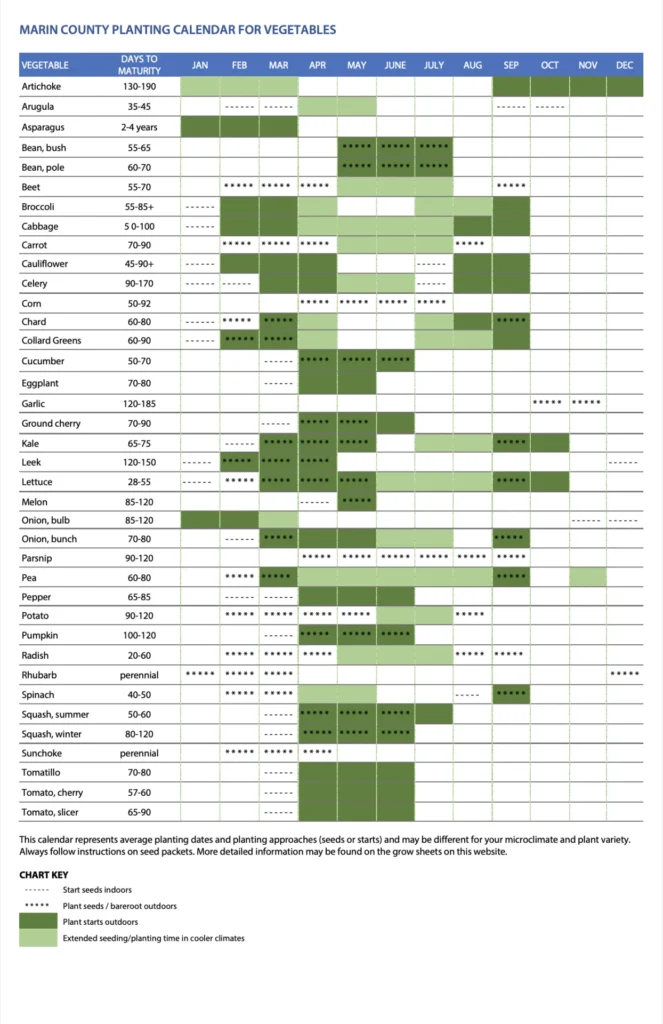
Lettuce transitions from spring challenge to fall success story. Cool autumn temperatures prevent bolting that plagues spring plantings, allowing extended harvests from single sowings. Direct sow lettuce 8-10 weeks before first frost for fall maturity. Succession plant every 2 weeks through early September (zones 6-7) for continuous supply.homesandgardens+1
Choose heat-resistant varieties for early fall plantings when temperatures remain warm. ‘Nevada’, ‘Jericho’, and ‘Magenta’ handle the transition from summer to fall better than standard varieties. As temperatures drop, plant any lettuce variety—cool weather is lettuce’s natural environment.motherearthnews
Spinach planted in fall often overwinters in zones 6-8, providing ultra-early spring harvests. Plant spinach 8-10 weeks before first frost. ‘Bloomsdale Long Standing’ and ‘Space’ resist early bolting while ‘Tyee’ handles cold exceptionally. Spinach germination struggles in warm soil—shade seeded areas or pre-chill soil by watering before planting.awaytogarden+1
Arugula matures rapidly (21-40 days) and self-seeds enthusiastically, making it perfect for succession planting. Direct sow every 2 weeks from mid-August through September. ‘Astro’ and ‘Rocket’ provide classic peppery flavor. Baby arugula can be harvested as early as 21 days while mature plants produce for 6-8 weeks before bolting—though fall bolting happens far later than spring.awaytogarden
Asian greens (mizuna, bok choy, tatsoi, komatsuna) mature quickly and tolerate cold excellently. Plant these 6-8 weeks before first frost for fall harvests. Mizuna survives to 15°F, making it excellent for extending season. Bok choy matures in 45-60 days with crisp, mild flavor. Mix these into braising greens mixes for texture and flavor diversity.homesandgardens+1
Root Vegetables That Sweeten with Cold
Carrots planted in fall develop superior sweetness as cooling temperatures trigger starch-to-sugar conversion—the plant’s natural antifreeze mechanism. This makes fall carrots taste dramatically better than spring versions. Plant carrots 10-12 weeks before first frost (late July-early August in zones 6-7).gardenary+1
Choose storage varieties like ‘Bolero’, ‘Nantes’, or ‘Danvers’ for best fall performance and winter storage potential. Short varieties like ‘Thumbelina’ suit heavy soils. Carrots tolerate multiple light frosts and even survive winters in zones 7-8 when heavily mulched. Harvest as needed or store in ground until hard freeze threatens.gardendesign
Beets follow similar patterns as carrots—fall planting produces sweeter, more tender roots. Plant beets 8-10 weeks before first frost. ‘Detroit Dark Red’ provides reliability while ‘Chioggia’ and ‘Golden’ add color diversity. Both roots and greens are edible—harvest beet greens continuously while roots size up for late-season main harvest.gardenary+1
Radishes grow so quickly (21-30 days) they fit into multiple succession plantings. Plant radishes every 2 weeks from mid-August through September for continuous harvests into November. Fall radishes develop less pungency than spring versions—cooler temperatures moderate their spiciness. ‘Watermelon’ radishes (60 days) provide stunning pink interiors worth the wait.awaytogarden+1
Turnips and rutabagas appreciate fall’s cool temperatures. Direct sow turnips 8-10 weeks before frost for tender, sweet roots. ‘Purple Top White Globe’ matures in 55 days. Rutabagas require longer (90 days) but deliver exceptional sweetness after frost. Both crops store well in ground through early winter when mulched heavily.gardendesign
Fall-Planted Herbs and Alliums
Garlic planted in fall (September-November depending on zone) provides next summer’s harvest. This long-season crop requires 8 months including cold vernalization for proper bulb formation. Plant individual cloves 4-6 inches apart, 2 inches deep, then mulch heavily after soil freezes. Garlic emerges in early spring, harvests in July.farmersalmanac+1
Cilantro thrives in fall’s cool temperatures, finally growing without immediate bolting that plagues spring plantings. Direct sow cilantro 6-8 weeks before first frost. ‘Slow Bolt’ and ‘Calypso’ varieties extend harvests further. Plan for cilantro to provide leaves through fall, then harvest seeds (coriander) as plants finally bolt.gardendesign
Parsley tolerates light frosts and often overwinters in zones 7-8. Plant parsley 8-10 weeks before first frost for fall establishment. Plants survive winter, resuming vigorous growth in early spring before bolting. This gives you 9-10 months of harvest from single fall plantings—far superior to spring establishment.gardendesign
Table 1: Fall Vegetable Planting Guide by Zone
| Vegetable | Zones 3-5 | Zones 6-7 | Zones 8-10 | Method | Days to Maturity | Frost Tolerance |
|---|---|---|---|---|---|---|
| Broccoli | Start Jul 1-15 | Start Jul 15-Aug 15 | Start Aug 1-Sept 1 | Transplant | 60-70 days | Hardy to 25°F |
| Kale | Plant Jul 15-Aug 1 | Plant Aug 1-31 | Plant Aug 15-Sept 15 | Transplant or direct sow | 55-75 days | Hardy to 10°F |
| Cabbage | Start Jul 1-15 | Start Jul 15-Aug 15 | Start Aug 15-Sept 15 | Transplant | 60-90 days | Hardy to 20°F |
| Lettuce | Plant Jul 15-Aug 15 | Plant Aug 1-Sept 15 | Plant Sept 1-Oct 15 | Direct sow | 30-45 days | Hardy to 28°F |
| Spinach | Plant Aug 1-15 | Plant Aug 15-Sept 15 | Plant Sept 15-Oct 31 | Direct sow | 40-50 days | Hardy to 15°F |
| Carrots | Plant Jul 1-20 | Plant Jul 20-Aug 15 | Plant Aug 15-Sept 30 | Direct sow | 60-80 days | Hardy to 25°F |
| Radishes | Plant Aug 1-Sept 1 | Plant Aug 15-Sept 30 | Plant Sept 15-Nov 1 | Direct sow | 21-30 days | Hardy to 28°F |
| Garlic | Plant Sept 15-Oct 15 | Plant Oct 1-31 | Plant Oct 15-Nov 30 | Plant cloves | Harvest next July | Hardy to -20°F |
Cool-Season Flowers for Autumn Color
Fall flowers provide brilliant color during autumn’s ornamental lull while many tolerate light frosts, extending beauty weeks beyond summer annuals’ demise.
Mums: The Iconic Fall Flower
Chrysanthemums define fall color with their diverse forms and colors. Garden mums bloom September-November in zones 5-9, providing weeks of intense color when most perennials finish. Choose from cushion mums (compact, 12-18 inches), decorative mums (larger, 18-24 inches), or specialty types like spoon and spider mums.mariahsmums+1
Plant mums in early fall (late August-early September) for best winter survival rates. Earlier planting allows 4-6 weeks of root establishment before ground freezes, dramatically increasing perennialization chances. Mums planted while blooming in October often fail to overwinter—their energy goes entirely to flowers rather than root development.oldcountrygardens+1
Choose healthy plants with dense foliage, abundant buds, and compact form. Avoid leggy plants with yellowing leaves or extensive bloom—these struggle with establishment. Plant in full sun (6+ hours daily) in well-drained soil. Mums tolerate light frost but bring them indoors or cover during hard freezes if you want extended bloom.gardeningwithsharon+1
Deadhead spent flowers to encourage continued blooming. After hard freeze kills foliage, leave dead stems standing—these protect crown and emerging growth through winter. Mulch heavily after ground freezes. In spring, new growth emerges from base while old stems remain visible—leave them until new growth is obvious, then trim away.gardeningcharlotte+1
Pansies and Violas for Cool-Weather Cheer
Pansies and violas thrive in cool autumn temperatures, blooming continuously from September planting through hard freeze and often resuming in early spring. These are truly cold-season champions tolerating repeated light frosts without damage.yates+1
Plant pansies and violas in September for fall color that transitions to winter and resumes in spring. In zones 7-10, they bloom intermittently all winter. Zones 5-6 see fall bloom, winter dormancy, then vigorous early spring flowering. Even zone 3-4 gardeners enjoy 6-8 weeks of fall color before hard freeze.sarahraven+1
Choose from thousands of varieties spanning all colors except true red. ‘Matrix’ pansies handle cold exceptionally. ‘Sorbet’ violas stay compact with profuse blooming. Plant 6-8 inches apart in borders, containers, or mass plantings. They prefer part shade to full sun—more shade in warmer climates, full sun in cooler regions.thesagejournal+1
Deadhead regularly for continuous blooming, though not strictly necessary—they’ll bloom without it, just slightly less prolifically. Fertilize monthly with diluted liquid fertilizer. Water regularly through fall until ground freezes. Pansies and violas provide incredible value—months of color from inexpensive plants requiring minimal care.yates+1
Ornamental Cabbage and Kale
Ornamental kale and cabbage (actually the same species with different leaf forms) provide increasingly colorful displays as temperatures drop. Their centers develop brilliant pink, purple, white, and rose colors intensifying with each frost. These aren’t just ornamental—they’re edible, though bred for beauty rather than flavor.yates
Plant ornamental brassicas in September for development before frost. They need cold exposure to develop full color—warm fall weather leaves them green and unremarkable. As temperatures drop below 50°F, colors emerge and intensify. By the time frost arrives, they’re spectacularly colorful. They tolerate freezing temperatures to 20°F, often lasting through November-December.yates
Use ornamental kale and cabbage in containers, borders, or mass plantings. They work particularly well in fall containers combined with mums, pansies, and ornamental grasses. Their rosette form provides structure while bold colors create focal points. Expect 8-12 weeks of color from fall plantings.yates
Cool-Season Annuals
Calendula (pot marigold) thrives in cool autumn weather, producing cheerful orange and yellow blooms through light frosts. Direct sow calendula in August for September-November flowering. These reseeding annuals often return in future years from self-sown seeds. Both flowers and leaves are edible, making calendula perfect for edible landscapes.yates
Dianthus (pinks) bloom prolifically in fall’s cool temperatures with spicy-sweet fragrance. Plant dianthus in September for 8-10 weeks of bloom. Many varieties overwinter in zones 7-10, blooming again in spring. ‘Firewitch’ and ‘Bath’s Pink’ provide exceptional performance and cold tolerance.yates
Sweet alyssum reseeds enthusiastically and tolerates light frosts, blooming continuously until hard freeze. Sow alyssum seeds in late August for September-November bloom. Its honey-scented flowers attract beneficial insects during fall when other nectar sources diminish. White and purple varieties create elegant edging or filler plants.yates
Spring-Blooming Bulbs: Fall Planting Essentials
Spring-blooming bulbs require fall planting (September-November) before ground freezes—this cold period (vernalization) triggers next spring’s blooms.
Understanding Bulb Planting Timing
Plant spring bulbs when soil temperatures drop to 60°F or below, typically 6-8 weeks before ground freezes hard. This timing allows root establishment before winter while preventing premature top growth that frost would damage.nunans+1
Early fall (September-early October) suits daffodils and other early-blooming bulbs. These need maximum time for root development. Mid-fall (October) is ideal for most tulips, hyacinths, and alliums. Late fall (November) works for tulips in warmer zones, though earlier planting improves results. Never plant after ground freezes—bulbs won’t root properly and often rot.gardentherapy+1
Zone-specific timing: Zones 3-5 plant September-early October. Zones 6-7 plant October-early November. Zones 8-10 plant November-December (after pre-chilling bulbs 6-8 weeks in refrigerator). Warm-zone gardeners must chill bulbs artificially since natural soil temperatures never drop sufficiently for vernalization.gardentherapy+1
Tulips: Spring’s Showstoppers
Tulips provide the most dramatic spring display with enormous color range and diverse forms. Plant tulips 6-8 inches deep (larger bulbs deeper, smaller bulbs shallower) in well-drained soil with full sun. Space bulbs 4-6 inches apart or closer for mass plantings.cityfloralgreenhouse+1
Choose bulb types based on desired effect. Darwin Hybrid tulips provide large, long-lasting flowers excellent for cutting. These partially perennialize, returning reliably for 3-5 years. Species tulips (Botanical tulips) naturalize best, multiplying over time. ‘Red Riding Hood’ and ‘Tarda’ return faithfully for decades. Parrot tulips offer frilled, dramatic petals while Double tulips resemble peonies.cityfloralgreenhouse
Plant tulips in groups of 10-25 bulbs for impact—scattered single bulbs disappoint. Use the “odd number rule”—groups of 5, 7, or 9 create more natural-looking drifts than even numbers. Layer tulips with later-blooming perennials that hide fading tulip foliage after flowering concludes.nunans
Daffodils and Narcissus
Daffodils naturalize exceptionally, multiplying annually to create increasingly impressive displays. They’re also rodent-proof—toxic compounds deter squirrels and voles that devour tulips. Plant daffodils 6-8 inches deep except mini varieties (3-4 inches deep). Space 4-6 inches apart.nunans+1
Large trumpet daffodils bloom first (March-April) followed by short-cupped types and doubles. Multi-flowered narcissus bloom latest. Stagger varieties for 6-8 weeks of continuous daffodil blooms. ‘Ice Follies’, ‘Carlton’, and ‘King Alfred’ provide reliable classic forms. ‘Thalia’ and ‘Pheasant’s Eye’ offer delicate multi-flowered sprays.cityfloralgreenhouse
Plant daffodils in drifts through lawn areas for naturalized displays. They bloom and finish before grass mowing season begins. Use them as protective barriers around tulips—rodents avoid daffodil areas, leaving nearby tulips unmolested. Daffodils require no maintenance beyond allowing foliage to die back naturally after blooming.nunans
Layering Bulbs for Continuous Bloom
The “lasagna method” layers bulbs at different depths in the same planting area, creating successive waves of bloom from single locations. This maximizes small spaces while providing 8-12 weeks of continuous color.nunans
Dig holes 8-10 inches deep. Plant large bulbs (daffodils, tulips) at the bottom (6-8 inches deep). Cover with 2-3 inches of soil. Add medium bulbs (grape hyacinth, smaller tulips) at 4-5 inches deep. Cover with more soil. Finally, add small bulbs (crocus, snowdrops) at 2-3 inches deep. Fill hole completely with soil and water thoroughly.fromsoiltosoul+1
This technique creates incredible displays from minimal space. Earliest bulbs (crocus, snowdrops) bloom February-March, followed by daffodils in April, then tulips in May. Plant 25-50 bulbs in a square-foot area using layering—far more than traditional single-depth planting allows.nunans
Table 2: Bulb Planting Depths and Spacing
| Bulb Type | Planting Depth | Spacing | Bloom Time | Naturalizing Ability | Cold Requirements |
|---|---|---|---|---|---|
| Tulip (large) | 6-8 inches | 4-6 inches | April-May | Poor to moderate | 12-16 weeks cold |
| Tulip (species) | 4-6 inches | 3-4 inches | March-April | Excellent | 12-16 weeks cold |
| Daffodil (standard) | 6-8 inches | 4-6 inches | March-May | Excellent | 12-16 weeks cold |
| Daffodil (mini) | 3-4 inches | 2-3 inches | March-April | Excellent | 12-16 weeks cold |
| Crocus | 3-4 inches | 2-3 inches | February-March | Excellent | 12-15 weeks cold |
| Hyacinth | 6-7 inches | 4-6 inches | April | Poor | 12-16 weeks cold |
| Allium | 6-8 inches | 6-12 inches | May-June | Moderate | 12-15 weeks cold |
| Snowdrop | 3-4 inches | 2-3 inches | February-March | Excellent | 12-15 weeks cold |
Fall Soil Preparation and Amendments
Fall soil preparation sets foundations for both immediate fall plantings and next spring’s gardens—autumn’s best time for significant soil improvements.
Clearing and Initial Preparation
Remove spent summer crops as they finish producing. Pull plants completely including roots—leaving roots to decompose invites disease carryover. Compost healthy plant material but dispose of diseased plants in trash to prevent pathogen spread.espositogardencenter+1
Clear weeds before they set seed. Each weed produces hundreds to thousands of seeds that persist in soil for years. Eliminating seed production now prevents future weed pressure. Use hoes, hand tools, or smothering mulches—whatever suits your scale and philosophy.summerwindsnursery
Till or loosen soil to 8-12 inches depth. This aerates compacted soil, improves drainage, and facilitates root penetration for fall plantings. However, if practicing no-till methods, simply surface-apply amendments without incorporation—soil organisms will integrate materials over time.espositogardencenter+1
Amending for Cool-Season Success
Add 2-3 inches of finished compost to all fall beds. Compost provides balanced nutrition, improves soil structure, enhances water retention, and introduces beneficial microorganisms. This single amendment addresses most soil limitations simultaneously.summerwindsnursery+1
Sandy soils benefit from organic matter additions that increase water and nutrient retention. Incorporate peat moss, compost, or aged manure. These materials act like sponges, holding moisture and nutrients that otherwise leach away rapidly in sandy conditions.espositogardencenter
Clay soils need gypsum to improve structure without altering pH. Gypsum causes clay particles to flocculate (group together), creating larger aggregates with improved air and water movement. Apply gypsum at package-recommended rates, typically 20-40 pounds per 1,000 square feet.espositogardencenter
pH adjustment happens best in fall since corrections take 3-6 months. Test soil pH in September. Add lime to raise pH or sulfur to lower it based on test recommendations. Fall application allows time for amendments to react with soil before spring planting.summerwindsnursery
Adding Nutrients for Fall Crops
Cool-season crops need different nutrient profiles than summer vegetables. Leafy greens and brassicas are nitrogen-hungry—they produce leaves and heads rather than fruits. Side-dress with blood meal, fish meal, or well-composted manure to boost nitrogen availability.espositogardencenter
Root vegetables need balanced nutrition with emphasis on phosphorus for root development. Incorporate bone meal or rock phosphate at planting time. Avoid excessive nitrogen which encourages leafy growth at the expense of root sizing.espositogardencenter
Bulbs appreciate phosphorus and potassium for strong root and flower development. Mix bone meal into planting holes at recommended rates (typically 1 tablespoon per bulb). This slow-release fertilizer provides nutrition through fall root development and next spring’s flowering.fromsoiltosoul+1
Apply balanced organic fertilizers like 5-5-5 or 4-4-4 formulations at package rates. These provide complete nutrition without the excess that causes problems. Fall’s cooler temperatures and moisture mean nutrients release slowly, reducing leaching and providing sustained availability.summerwindsnursery+1
Mulching for Fall and Winter
Apply 2-3 inches of organic mulch after planting fall crops. Mulch moderates soil temperature during autumn’s variable weather, retains moisture during dry spells, and suppresses weeds. Shredded leaves, straw, or wood chips all work effectively.espositogardencenter
Wait until after ground freezes to apply heavy winter mulch (4-6 inches) around perennials, bulbs, and garlic. This timing prevents rodent nesting in mulch. Heavy mulch insulates against freeze-thaw cycles that heave plants from ground, causing root damage and exposure.fromsoiltosoul+1
Remove winter mulch in early spring as soil warms and new growth begins. Leaving heavy mulch too long delays soil warming and can smother emerging plants. Compost removed mulch or use it elsewhere in the garden.fromsoiltosoul
Caring for Fall-Planted Gardens
Fall garden care differs from summer maintenance—cooler temperatures, shorter days, and approaching dormancy require adjusted approaches.
Watering Fall Gardens
Fall gardens need less frequent watering than summer gardens due to cooler temperatures, shorter days, and typically increased rainfall. Water deeply but less often—once weekly usually suffices unless weather is unusually dry.espositogardencenter
Newly planted transplants need consistent moisture for 2-3 weeks while establishing. Water transplants every 2-3 days initially, gradually reducing frequency as roots establish. Check soil moisture 2-3 inches deep—if dry, water; if moist, wait.espositogardencenter
Germinating seeds require surface moisture until emergence. Water lightly daily or every other day for direct-sown crops like lettuce, carrots, and radishes. Once seedlings emerge and develop true leaves, transition to deeper, less frequent watering encouraging deep root growth.awaytogarden
Stop watering when hard freezes arrive and soil begins freezing. Frozen soil can’t absorb water, and excess moisture increases freeze damage risks. However, water thoroughly before ground freezes—moist soil insulates better than dry soil.gardeningcharlotte+1
Managing Pests and Diseases
Fall’s cooler temperatures dramatically reduce pest pressure compared to summer. Most warm-season pests (squash bugs, cucumber beetles, hornworms) disappear naturally. However, some pests remain active.extension.wvu+1
Cabbage worms and loopers continue targeting fall brassicas. Hand-pick visible caterpillars during morning inspections or apply Bt (Bacillus thuringiensis) which specifically targets caterpillars without harming beneficial insects. Row covers exclude adult butterflies entirely, preventing egg-laying.phsonline
Aphids thrive in cool weather. Spray infested plants with strong water jets dislodging aphids, or use insecticidal soap for heavy infestations. Encourage beneficial insects (ladybugs, lacewings) by planting flowers that provide nectar and pollen.phsonline
Slugs flourish in fall’s cool, moist conditions. Hand-pick during evening inspections when slugs feed actively. Use beer traps, copper barriers, or diatomaceous earth around vulnerable plants. Keep gardens clean—slugs hide under plant debris and boards during daytime.phsonline
Fall diseases primarily affect brassicas. Powdery mildew and downy mildew thrive in cool, humid conditions. Space plants properly for air circulation. Water at soil level rather than overhead to keep foliage dry. Remove infected leaves promptly. Severe cases may require copper fungicide applications.phsonline
Fertilizing Through Fall
Fertilize fall vegetables lightly 3-4 weeks after planting once established. Use half-strength liquid fertilizers every 2-3 weeks or side-dress with compost. Fall crops need less fertilizer than summer crops due to slower growth rates.phsonline+1
Stop fertilizing 4-6 weeks before first frost. Late fertilization encourages tender new growth vulnerable to frost damage. You want plants to harden off naturally, developing cold tolerance as temperatures drop.extension.wvu
Perennials, trees, and shrubs planted in fall need no fertilization until spring. Fall fertilization stimulates growth when plants should be preparing for dormancy. Wait until spring when new growth begins to fertilize woody plants.extension.wvu
Fall-planted bulbs receive adequate nutrition from planting-time bone meal. They don’t need additional fertilizer in fall. Apply balanced fertilizer in spring when foliage emerges, then again after blooming to replenish bulbs for next year.nunans
Protecting from Early Frosts
Monitor frost forecasts closely during fall’s unpredictable weather. Unexpected early frosts can damage tender fall crops before they mature. Keep row covers, old sheets, or plastic tarps ready for emergency protection.growingagreenerworld+1
Cover vulnerable plants in late afternoon before temperatures drop. Secure cover edges with soil, rocks, or stakes to trap warmer air underneath. Remove covers the following morning once temperatures rise above freezing. Even single nights of protection often mean 2-3 additional weeks of production.growingagreenerworld
Light frosts (32-28°F) damage tender plants (basil, tomatoes, peppers, beans) but don’t harm hardy fall crops (kale, lettuce, carrots, brassicas). Focus protection on tender plants extending summer harvests. Hardy crops actually improve after light frost exposure.phsonline
Hard frosts (below 28°F) damage even hardy crops’ above-ground portions though roots often survive. After hard frost, harvest remaining fall crops promptly. Root vegetables can stay in ground under heavy mulch for extended harvests, but leafy greens should be harvested.phsonline
“Southern gardeners (frost in December or later): You’ve got the biggest window! Fall gardens here can roll right into winter gardens. Many people in the South harvest greens and herbs all the way through February. That’s amazing!”
— Garden designer on extended fall/winter growing opportunitiesgardenary
Extending Fall Harvests into Winter
Season extension techniques push fall harvests weeks or months beyond normal frost dates, maximizing garden productivity into winter.
Cold Frames for Winter Harvests
Cold frames extend harvests 6-10 weeks beyond open-air growing by capturing solar heat and protecting from wind. These simple structures cost $30-200 depending on materials and size while delivering substantial production increases.yardandgarden.extension.iastate+1
Build or purchase cold frames in early fall before planting season. Position frames south-facing for maximum sun exposure, ideally against buildings that reflect additional heat. Size frames to fit your garden beds for easy integration.yardandgarden.extension.iastate
Plant cold frames in September-October with ultra-hardy crops: spinach, mâche, claytonia, winter lettuce varieties, kale, Asian greens, and carrots. These crops grow through November, slow or stop during December-January, then resume growth in February for ultra-early spring harvests.gardeners+1
Vent frames during sunny fall days when interior temperatures exceed 50°F—this usually means opening by 10 AM, closing by 3-4 PM. Automatic vent openers ($30-60) eliminate daily checking. During extreme cold, insulate frames at night with old blankets or bubble wrap.shawnee.k-state+1
Row Covers and Low Tunnels
Row covers provide 4-8°F frost protection at fraction of cold frame cost. These lightweight fabrics drape over hoops or rest directly on plants, transmitting 70-85% of light while insulating against cold.skagitmg
Install low tunnels using wire hoops or PVC supports spaced 4-5 feet apart over rows. Cover with medium-weight row cover (1.0-1.25 oz/sq yd) for optimal balance between protection and light transmission. Secure edges with soil or boards preventing wind from blowing covers away.reddit+1
Layer multiple row covers during extreme cold for additional protection. Two layers of medium-weight fabric provide protection to 18-20°F—sufficient for hardy greens through most fall/winter weather.skagitmg
Remove covers during mild spells to prevent overheating and to allow pollinator access if crops need it. Most fall greens don’t require pollination, but herbs and flowers may. Replace covers before temperatures drop.growingagreenerworld
Mulch Harvesting for Root Vegetables
Root vegetables (carrots, beets, turnips, parsnips) overwinter successfully in ground with heavy mulch protection. This eliminates storage needs while maintaining peak freshness—harvest as needed all winter.gardendesign+1
After light frosts but before hard freeze, mulch root vegetable rows with 12-18 inches of straw, shredded leaves, or hay. This insulates soil preventing deep freezing while marking row locations under snow. Insulated roots remain accessible even during winter.gardendesign
Harvest through mulch as needed. Push mulch aside, dig required roots, then replace mulch. Roots maintain excellent quality through winter and often sweeten further with prolonged cold exposure. This technique works in zones 5-8 successfully.gardendesign
Succession Harvesting Strategies
Cut-and-come-again harvesting extends single plantings over months. Harvest outer leaves from lettuce, kale, chard, and Asian greens while leaving growing centers intact. Plants continue producing new leaves despite regular harvesting.motherearthnews+1
Selective harvesting takes mature plants while leaving younger ones to continue sizing. Plant lettuce, radishes, and greens in succession every 2 weeks. Harvest earliest plantings while later sowings mature, creating continuous supply from staggered plantings.motherearthnews+1
Partial harvests from brassicas include taking outer leaves from kale and collards, side shoots from broccoli, and lower sprouts from Brussels sprouts. This allows single plants to produce over 6-8 weeks rather than one-time harvests.awaytogarden+1
Plan final plantings allowing adequate maturity time before hard freeze. Use the fall planting formula (First Frost – Days to Maturity – 14 days) ensuring crops mature before cold prevents further growth. Last-minute plantings that don’t mature waste space and effort.gardenary
Why Fall Planting Often Beats Spring
Fall planting delivers surprising advantages over spring efforts—understanding these benefits encourages gardeners to embrace autumn’s second season fully.
Cooler Temperatures Reduce Stress
Fall’s moderate temperatures benefit both plants and gardeners. Cool air encourages root growth while minimizing water stress—plants focus energy on establishment rather than surviving heat. Roots continue growing at soil temperatures of 45-50°F long after air temperatures drop.thepioneerwoman+1
Gardeners work more comfortably in 60-70°F fall weather compared to 85-95°F summer heat. Extended outdoor working time during pleasant conditions makes fall tasks feel less burdensome. You’ll actually enjoy fall planting where summer’s heat makes gardening feel like work.thepioneerwoman
Spring’s temperature swings stress plants with warm days followed by cold nights, or late frosts after warm spells. Fall’s steadily cooling trajectory provides more predictable, less stressful conditions. Plants acclimate gradually rather than fighting temperature extremes.thepioneerwoman+1
Fewer Pests and Diseases
The #1 advantage fall gardening offers: dramatically reduced pest and disease pressure. Most destructive pests (cabbage worms, squash bugs, cucumber beetles, hornworms) disappear as temperatures drop. Fall gardens experience 60-70% less pest damage than spring plantings of identical crops.thepioneerwoman+1
Fungal diseases decline with lower humidity and cooler temperatures. Powdery mildew, early blight, and bacterial diseases that plague summer gardens rarely affect fall crops. This reduces or eliminates need for disease management interventions.thepioneerwoman
Bolting virtually disappears as issue for cool-season crops. Lettuce, spinach, and brassicas planted in fall grow steadily without the premature flowering that ruins spring plantings during unexpected heat waves. Fall crops mature predictably without bolting concerns.awaytogarden+1
Superior Flavor Development
Cold-sweetened vegetables taste dramatically better than spring versions. Carrots, kale, Brussels sprouts, and parsnips convert starches to sugars when exposed to cold—their natural antifreeze mechanism. This makes fall harvests notably sweeter and more tender than spring crops.awaytogarden+1
Brassicas especially benefit from frost exposure. Kale turns from slightly bitter to sweet and mellow. Brussels sprouts develop nutty sweetness impossible to achieve without cold. Many gardeners specifically wait for several frosts before harvesting these crops to maximize flavor.gardenary+1
Root vegetables develop concentrated flavors through slow autumn maturation. Spring-grown carrots harvested young taste mild and watery. Fall carrots maturing slowly over 80-90 days achieve intense, sweet carrot flavor that makes them garden stars.awaytogarden+1
Stronger Root Systems for Perennials
Trees, shrubs, and perennials planted in fall develop superior root systems compared to spring plantings. Warm fall soil encourages active root growth while cool air reduces water demands and transplant stress. Plants establish 4-6 weeks of root growth before dormancy.extension.wvu+1
Spring-planted specimens must simultaneously establish roots AND produce leaves/flowers. This divided energy often results in weaker plants struggling through first summer. Fall-planted specimens focus entirely on roots during autumn, entering spring with established systems ready to support vigorous top growth.extension.wvu+1
First-year performance favors fall plantings dramatically. Trees and shrubs planted in fall leaf out earlier, grow more vigorously, and bloom more prolifically their first spring than spring-planted equivalents. The root head start makes all the difference.extension.wvu
Extended Harvests and Planning Flexibility
Fall gardening effectively doubles productive season length. Rather than gardening April-September (6 months), year-round gardeners work April-November (8 months) or longer with season extension. This 33-50% increase in growing season multiplies productivity substantially.phsonline+1
Succession planting works more reliably in fall. Predictable cooling prevents premature bolting while steady growth allows accurate harvest timing. Spring’s variable weather makes succession planting more challenging.motherearthnews+1
Fall plantings free spring for warm-season crop focus. Rather than juggling cool-season and warm-season crops simultaneously during spring’s compressed window, dedicate spring entirely to tomatoes, peppers, beans, and squash. Fall handles all cool-season production, reducing spring’s overwhelming rush.thepioneerwoman+1
“The cool days of fall are the perfect time to grow root crops. Your options include radishes, beets, and carrots. You really can’t go wrong with any of these, and they’re pretty versatile in the garden, so you can plant them in any extra space you have… In the fall, I recommend dedicating the majority of your growing space to leafy greens—this is when they really thrive.”
— Garden designer on optimizing fall garden layoutgardenary
Conclusion: Embracing Fall’s Garden Potential
Fall planting transforms gardens from single-season efforts into year-round productive, beautiful spaces. The techniques aren’t complicated—calculating planting dates, selecting appropriate crops, preparing soil, and providing basic protection—but they require recognizing fall as legitimate growing season rather than garden’s end.
Start with one or two fall vegetables you love eating. Calculate your planting dates using the formula: First Frost Date – Days to Maturity – 14 days = Planting Date. Plant those crops in July-August and experience fall gardening’s advantages firsthand. Success with initial crops builds confidence for expanding efforts in subsequent years.
Add fall flowers for ornamental interest—mums and pansies provide instant color requiring minimal effort. Plant spring bulbs in September-November, enjoying next year’s spectacular displays from this autumn’s simple effort. These additions transform fall gardens from purely productive to beautiful and functional simultaneously.
The rewards multiply beyond obvious harvest extensions. Fall gardening provides purpose during autumn months when many gardeners retreat indoors. The cooler working conditions make tasks genuinely enjoyable rather than heat-endurance tests. Reduced pest pressure means more time harvesting and less time fighting insects. Superior flavor in cold-sweetened vegetables makes every meal celebration-worthy.
Remember that fall gardening doesn’t require perfection initially. Start small, learn from both successes and failures, and expand gradually. Your first fall garden might produce less than hoped—perhaps timing was off or variety selection suboptimal. Each season builds knowledge specific to your climate, soil, and conditions. By year three, fall gardens often outproduce spring efforts through accumulated wisdom.
Climate change makes fall gardening increasingly relevant. Growing seasons extend in many regions while spring weather becomes less predictable. Skills in fall planting provide resilience against changing patterns. Gardens designed around both spring and fall seasons handle variability better than those optimized for traditional spring-only planting.
Your garden can provide fresh vegetables, stunning flowers, and meaningful engagement through autumn and into winter. The question isn’t whether fall planting works—evidence overwhelmingly confirms it does. The question is whether you’re ready to double your productive season, dramatically reduce pest battles, and harvest the sweetest vegetables you’ve ever tasted.
What will you plant this fall? Start planning now—seed orders, soil preparation, and timing calculations require advance work. But once systems establish and knowledge accumulates, fall gardening becomes as natural as spring planting. The satisfying crunch of November lettuce and the sweet earthiness of frost-kissed carrots will convince you that fall gardening isn’t optional—it’s essential.
📖 Leggi anche: How to Fix Clay Soil for Gardening: Amendments and Techniques
Ready to embrace fall’s potential? Calculate your first frost date today, mark planting dates on your calendar, and order seeds for crops maturing in autumn. These concrete steps launch your fall gardening journey, transforming your relationship with seasons and multiplying your garden’s productivity and beauty year-round.